About us
About us
SEACO is a platform for studying health at the population level. Based in Segamat, Johor, and part of Monash University Malaysia, we work alongside a whole community — following the lives, health and wellbeing of tens of thousands of people over time — to understand what keeps populations healthy and what puts them at risk. For more than a decade we have turned that long view into evidence that researchers, health services and communities can use for impact.
We are now building on that foundation. SEACO 2.0 sets out an ambitious next decade: a community-embedded, co-developed platform for multidisciplinary research that tackles the connected challenges of health equity and development in Malaysia and the wider region.
Who we are
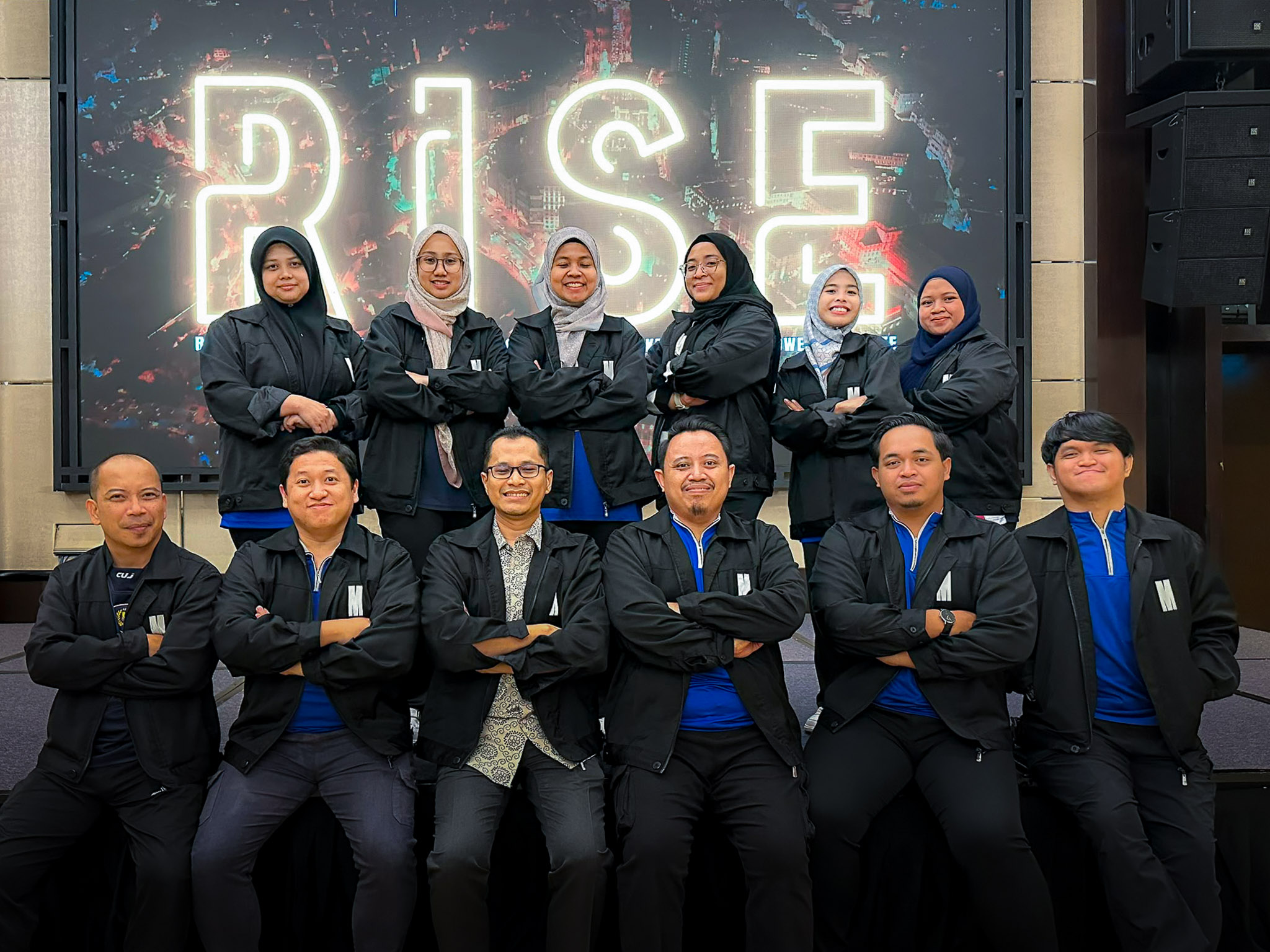
SEACO is a multidisciplinary research platform within Monash University Malaysia, hosted by the Department of Global Population Health. We are not a single study or a one-off survey. We are long-term research infrastructure: the people, relationships, data systems and field expertise that make it possible to study health where people actually live — in their families, households and neighbourhoods, and across the full span of their lives.
Read more...Read less
Our work spans one of the most diverse populations in the region, including the Malay, Chinese, Indian and Orang Asli communities of Segamat District across five sub-districts. That diversity is one of SEACO's defining strengths: it lets researchers ask how health, disease and social conditions vary across cultures, generations and ways of life within a single, well-characterised setting.
What we do
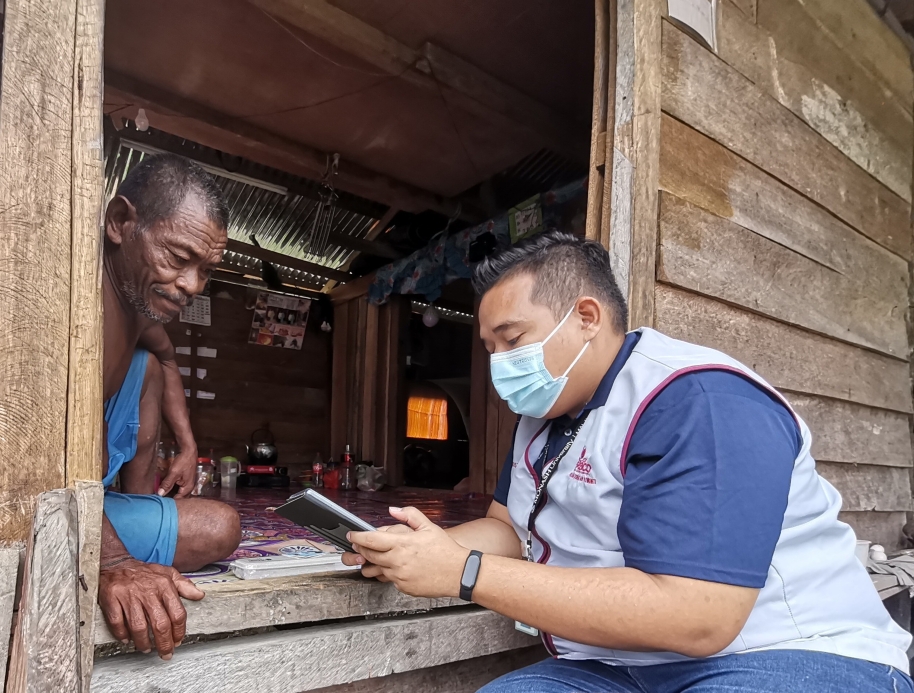
SEACO exists to make high-quality, community-grounded research possible. Rather than studying health one condition at a time, we look at the whole picture — how people's circumstances, environment and life course shape their health and wellbeing over the years.
Read more...Read less
Since our establishment in 2011, we have built and maintained a rich, longitudinal picture of a real community: repeated health and wellbeing surveys, records of births, deaths and the reasons behind them, and detailed information on the social and environmental conditions in which people live. This gives researchers something valuable — the ability to follow change over time, in the same population, and to connect health to its wider causes.
Because SEACO is infrastructure, not a fixed research agenda, it supports many kinds of enquiry at once. Researchers from Monash and from partner institutions around the world use the platform to investigate questions ranging from chronic disease and healthy ageing to the health effects of a changing climate.
What our work has produced
Over more than a decade, SEACO's research has generated tangible outputs and lasting relationships:
- A body of published evidence — a growing number peer-reviewed publications, alongside policy briefs and plain-language community briefs that put findings back into the hands of decision-makers and residents.
- Research that meets today's urgent questions — including the Wellcome Trust–funded Heat Care project, which studies how rising heat affects the health of communities on the front line of climate change.
- International collaboration — long-standing partnerships with researchers across Monash and at leading universities worldwide, using SEACO as a shared window onto population health in Southeast Asia.
- The next generation of researchers — training, postgraduate research, internships and field-methods programmes that build research capacity in Malaysia and beyond.
- A trusted local partnership — sustained working relationships with the District Health Office, community leaders and people across Segamat.
Built on the trust of our communities
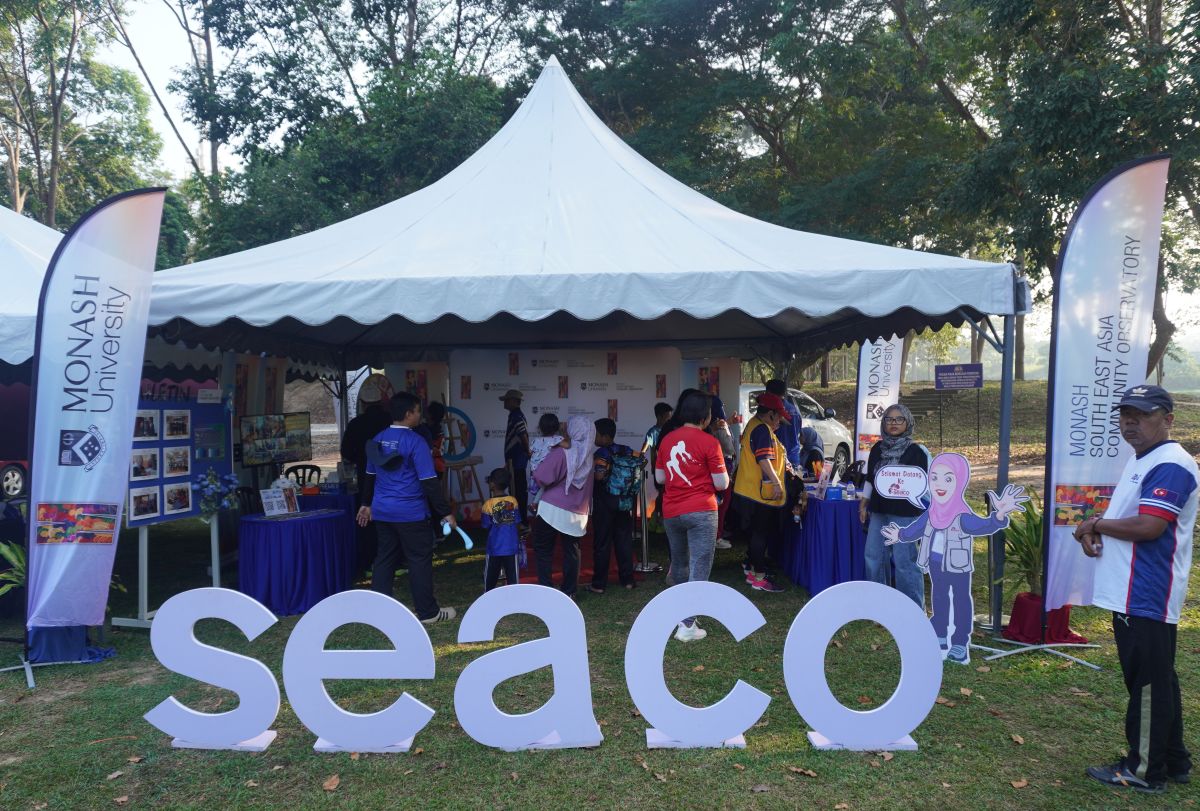
None of this is possible without the communities who take part. SEACO's value rests on the generosity of the people who share their time and their lives with us, and on the trust they place in how we handle what they tell us. We treat that trust as our most important asset — safeguarding people's information, being clear about how it is used, and making sure research gives something back to the communities that make it possible.
SEACO 2.0: the next decade
The world SEACO was built to study has changed, and so must SEACO. Over the coming year we are reimagining the platform — working with and alongside communities — as a community-embedded, co-developed platform for multidisciplinary research that tackles the core issues of development and health.
Three ideas sit at the heart of SEACO 2.0:
Read more...Read less
Co-developed with community. We are moving from consulting communities to sharing ownership with them — involving people not only as participants but in setting priorities, shaping studies and making sense of what we find. Research should answer the questions communities themselves want answered, and its benefits should be visible where people live.
Multidisciplinary by design. Health does not exist in isolation from social and structural systems - housing, work, environment, education, food, technology and infrastructure — and neither should the research. SEACO 2.0 opens the platform to the whole of Monash and its partners, bringing together not only health scientists but engineers, social scientists, data and information specialists, and others, to study the linked challenges of health and development in the round.
Built to last and to grow. We are strengthening the foundations that make research trustworthy and sustainable — rigorous data governance, open and responsible data sharing, demonstrable impact, and a durable funding model. Our ambition is for the SEACO model, proven in Segamat, to become the template for a wider network of community-embedded research platforms across Malaysia.
This is a deliberate, evidence-led evolution, developed in partnership with the communities we serve and anchored in Monash University Malaysia's mission. The goal is a platform whose next decade of research is even more useful — to science, to policy, and above all to the people of Segamat and communities like them.