Research with impact



Research highlights
Monash University Malaysia boasts some notable research projects that are trying to change the world for the better. We believe that great research, when properly applied, can lead to lasting and positive change in the world. Discover some of our major highlights.
2026

Why struggling startups often out-innovate their well-funded rivals
How resource constraints push start-ups to develop stronger innovative capabilities.

Why health communication failures still cost lives — and how digital storytelling can change outcomes
Exploring how accessible, context-aware digital storytelling can improve health communication and ultimately lead to better health outcomes.

International Day of Plant Health: Why protecting plants matters to everyone
Protecting plants is vital for food security, biodiversity and human wellbeing.

MV Hondius Andes virus outbreak a warning shot for the next pandemic era
The outbreak highlights the need for stronger global pandemic preparedness.

Tightening expat rules won’t fix Malaysia’s real labour challenge
Malaysia’s labour challenges require deeper structural reform, not just tighter expat rules.

Gig economy: Delivery riders report higher wellbeing than office workers
Delivery riders report higher wellbeing than office workers despite facing greater risks.
From users to architects: Why girls must shape the future of AI
Girls must be empowered to help shape and build the future of AI.

Earth Hour: The power of being seen, and why climate visibility matters
Visible climate action helps build public awareness and collective momentum.
Tuberculosis is rising in Malaysia – why prevention, migration policy and primary care must change now
Malaysia needs stronger prevention, primary care and migration policies to address rising TB cases.

Medicinal and aromatic plants: Nature’s pharmacy at risk from biodiversity loss
Biodiversity loss is threatening valuable medicinal and aromatic plants.
‘United by Unique’: Why precision oncology must begin with population-representative models
Precision cancer care must reflect diverse population data to be truly effective.

AI distillation and the law: Why learning from Claude or GPT may not be copyright infringement
Dr Ridoan Karim from our School of Business discusses AI distillation, which learns from larger models, and the challenges it poses for policymakers seeking to address copyright infringement.
International Women’s Day 2026: Letters to our younger selves
In an International Women's Day feature, we invited prominent academics from diverse disciplines to share insights into their lives, aspirations for the future, and the motivations that empower them as leaders in their respective fields.
Oil, trade and uncertainty: What the Middle East conflict means for Malaysia’s economy
The rising conflict in the Middle East creates challenges for Malaysia's economy, especially in energy trade. Dr Andrew from the School of Business highlights these short-term issues on key economic priorities for our nation.

International Mother Language Day 2026: Why language shapes identity and belonging in Southeast Asia
On this year's International Mother Language Day, Dr Herbary from our School of Arts and Social Science highlights the celebration of plurality, belonging, and the emphasis on native language in shaping our daily lives, emotions, and worldview.

Responsible AI is now a governance risk, not an ethics debate
Associate Professor Manjeevan Singh Seera from our School of Business underscores the complexities of the responsibility, highlighting how it compels policymakers to establish an accountable process.

From ‘brain rot’ to ‘rage bait’: What our words of the year say about life online
Dr Andrew from our School of Business discusses the terminology and one's reactivity to social media behaviour, while focusing on online content creators and boosting their engagement.
2025

Rethinking digital humanitarianism: Trust, privacy and technocolonialism
Dr Abdul Aziz critiques "digital humanitarianism," as technologies like biometric IDs in refugee aid can enable efficiency but there is a risk in surveillance and consent, along with the enablement of techno-colonialism.

Kiss cams, concerts, and consent: Rethinking privacy torts in the age of viral exposure
Dr Ridoan Karim from our School of Business examines how viral kiss-cam moments taken at concerts challenge privacy law, particularly around consent, along with the unwanted privacy and digital exposure in public spaces.
Malaysia’s bold moves toward hepatitis elimination by 2030
Associate Professor Nevein Botross from the Jeffrey Cheah School of Medicine and Health Sciences highlights Malaysia’s bold Hepatitis B and C elimination strategies in hopes of expanding harm reduction programs and transforming public perception.
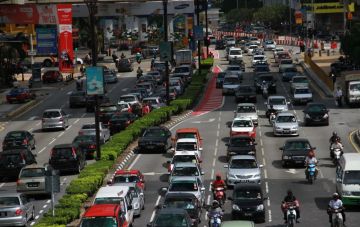
Transforming rush-hour chaos: The role of connected autonomous vehicles
Can we beat the rush hour? Dr Susilawati from the School of Engineering explores how connected autonomous vehicles could offer a transformative solution to the challenges of peak-hour traffic congestion.

How refugee schools in Malaysia are reimagining adolescent wellbeing
Dr Rushmila Rafique exposes the precarious situation of refugees in Malaysia—trapped without legal status, facing exploitation, limited access to basic services, and living in constant uncertainty.
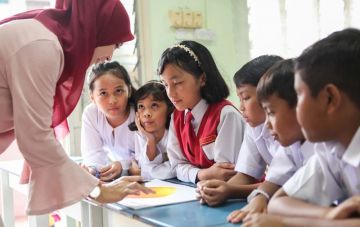
Living in limbo: The precarious existence of refugees in Malaysia
PhD candidate, Jeron Joseph highlights how Malaysian refugee schools are innovating adolescent wellbeing where there's emphasising holistic mental health, trauma-informed learning environments, all while nurturing resilience through systemic challenges.

Left behind: The global failure to educate refugees – and how to fix it
Dr Darniya Prabu outlines a global education crisis where nearly half of refugee children face academic challenges. With inclusive policies, sustained funding, and targeted programs, we can bridge this gap.

Revolutionary traffic model aligns urban mobility with UN's sustainability goals
The Revolutionary Traffic Simulation Model integrates human-driven, connected, and autonomous vehicles to optimise urban mobility and support sustainable development goals.

A game-changer for climate-resilient infrastructure
The Smart Soil Moisture Management System for Road Pavements uses sensor technology to monitor soil temperatures, protecting vital infrastructure from premature deterioration.

Technology needs every voice: Why gender equity is essential for ethical innovation
Dr Jessie Leong Shu Min highlights that achieving gender equity in tech is essential for ethical innovation, ensuring that diverse voices help shape fairer AI, digital systems, and future technologies.

One hundred years of quantum mechanics – what’s next?
Professor Andreas Deppeler and Dr Clarissa Ai from the School of Business discuss the advancement of quantum mechanics over the years, highlighting its evolution and the advocacy for Malaysia's strategic engagement in the emerging quantum revolution.
One shot ahead: Could the shingles vaccine offer a new defence against dementia?
Dr Vinod Balasubramaniam sheds light on a study where the shingles vaccine reduced dementia risk by 20%, suggesting vaccines might protect against cognitive decline.
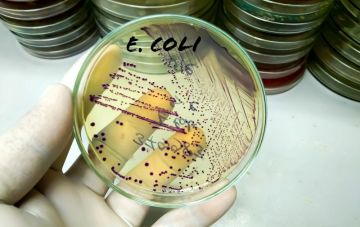
Antimicrobial resistance no longer a looming healthcare crisis. It’s here
Antimicrobial resistance (AMR) has escalated into an immediate global health crisis, rendering common infections potentially fatal due to ineffective antibiotics. Ali Haider emphasises the urgent need for public education and policy reforms to combat this silent pandemic.

To be visible or not – that is the question for trans persons and communities
In Professor Sharon Bong's feature, she discusses how rising anti-trans rhetoric, especially in the United States of America, is forcing trans communities into invisibility out of fear of persecution.

Advancing pharmacogenomics: Bridging the gap through education and policy
Dr Teoh Siew Li emphasises that integrating pharmacogenomics into clinical practice requires comprehensive education for healthcare professionals and supportive policy frameworks to tailor drug therapies to individual genetic profiles.

Digital child abuse: Deepfakes and the rising danger of AI-generated exploitation
Associate Professor Manjeevan Seera and Dr Ridoan Karim from the School of Business highlight the growing threat of AI-generated deepfakes in child exploitation, emphasising the urgent need for stronger protective measures.

Inspiring the next generation of women in STEM
Dr Amutha Selvaraj, Dr Poovarasi Balan, Associate Professor Tomoko Soga, and Dr Wan Faridah Akmal Jusoh—STEM academics at Monash University Malaysia—share their journeys, emphasising mentorship, inclusivity, and confidence to inspire more women to pursue diverse STEM careers.

Pulses: The powerhouse crops driving sustainable agriculture
Associate Professor Choo Wee Sim highlights local pulses' role in building a resilient food system. Her research on stink beans and winged beans emphasises their nutritional value and sustainability benefits.

World Cancer Day 2025: Moving beyond a one-size-fits-all approach
As a stage-four cancer survivor and a researcher, Dr Alfarizal Kamarudin experienced first-hand the urgent need for more precise, personalised treatments.

Chinese Lunar New Year: Customs, superstitions and symbolism
Dr Jane Terpstra-Tong discusses how Chinese zodiac beliefs, symbolisms, and superstitions influence personal decisions, birth rates, and consumer behaviour.

AI in marketing: Balancing innovation, ethics, trust, and regulatory requirements
Dr Ridoan highlights AI's transformative role in marketing, focusing on its predictive capabilities in product design and consumer preferences, while stressing the need for ethical considerations, trust, and regulatory compliance.
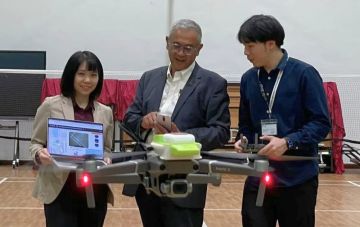
Harnessing the power of drones for cleaner cities
Dr Joanne Lim and her team developed AI-equipped drones to detect and manage urban waste, enhancing city cleanliness and environmental health.
2024

Human Rights Day 2024: Justice in Southeast Asia
On Human Rights Day, Dr Herbary Cheung emphasises the need for intersectional and reflexive approaches to tackle systemic inequalities in migration, gender, and human rights in Southeast Asia.

HIV treatment and prevention: The crucial role of human rights in public health
Professor Dato' Dr Adeeba Kamarulzaman emphasises the vital connection between public health and human rights in the fight against HIV. She advocates for the integration of human rights into health policies to reduce stigma, improve access to care, and enhance public health outcomes.

Not so sweet: Tackling the diabetes epidemic in Malaysia
Associate Professor Amutha Ramadas highlights Malaysia's diabetes epidemic due to unhealthy diets and sedentary lifestyles. She advocates for peer-led programs and digital health tools to improve prevention and management.

Friend or foe? The problem with AI and greenwashing
Professor Nafis Alam highlighted AI's dual role in sustainability: it can detect greenwashing while potentially enabling deceptive claims if misused. He urged stricter environmental regulations, transparent reporting, and blockchain integration for better accountability.

Respect and equality: Cultural norms and combating sexual harassment in Malaysia
Addressing sexual harassment in Malaysia demands challenging cultural norms, increasing awareness, enforcing laws, and supporting victims to foster a safer, more equitable society.

Can blockchain-based microcredit transform financial inclusion?
Blockchain-based microcredit has the potential to enhance financial inclusion by offering secure, transparent, and accessible financial solutions, but its success depends on improving financial literacy, regulatory alignment, and infrastructure development.

Why some problem gamblers can’t cut their losses
Gambling in Malaysia is a rising concern, with high impulsivity among adolescents increasing their risk, and its impact on personal, familial, and financial well-being.
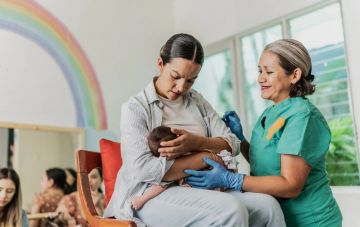
Better support needed for breastfeeding mothers
Dr Teoh Siew Li from the School of Pharmacy offers clarity in the implementation of a whole-of-community approach to provide a reassuring and flexible infrastructure for breastfeeding mothers, particularly those returning to the workforce.
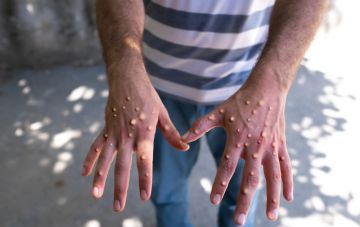
Could monkeypox become the next global pandemic?
Dr Vinod Balasubramaniam delves into the evolving landscape of Mpox, tracing its origins, transmission dynamics, and the global response to this emerging public health challenge. With the recent outbreaks, including Australia’s rising cases, Dr Vinod underscores the critical need for vigilance and robust public health measures, especially in regions with low immunity due to the cessation of smallpox vaccination programs.
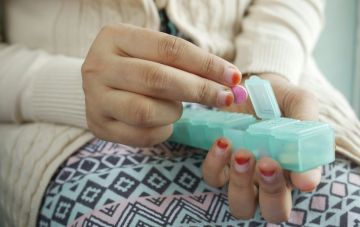
Study reveals global economic impact of genital herpes
A new study estimates the global economic burden of genital herpes simplex virus (HSV) infections at I$35.3 billion, emphasising a priority for effective prevention and treatment, especially vaccines.

Is an AI winter coming?: Navigating the cycles of AI hype and just regulation
Navigating through the AI hype is crucial, as OpenAI's ChatGPT launch sparked mixed reactions. While AI shows potential, experts warn of diminishing returns and rising computational demands.

Ageing Asia: The need to invest in women from the beginning to ensure elderly wellbeing
Asia faces a demographic crisis with over a billion elderly by 2050, highlighting gender biases and the need for better elderly care, especially for women.

Spotlight on women of colour in academia at Monash University
Seven academics share their journeys on International Women’s Day 2024, highlighting the intersection of gender and race in navigating academia and their strategies for visibility.

A revolutionary new weapon in the battle against influenza
A universal mRNA influenza vaccine offers broader, longer-lasting immunity against multiple flu strains, by leveraging rapid mRNA technology used in COVID-19 vaccines.
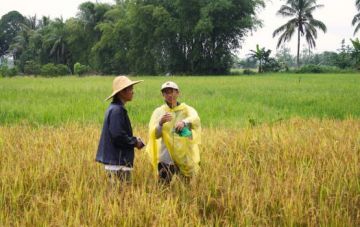
Understanding the "magic bullets" of weedy rice invasions in Southeast Asian paddy fields
A new study reveals genetic traits of aggressive weed in Southeast Asia, which impacts paddy fields.

The revolutionary era of self-healing rubber gloves
Monash University Malaysia's Colloids and Polymer Group develops self-healing rubber gloves, led by Dr Patrick Tang Siah Ying, uses innovative materials for glove durability and the environmental benefits that comes with it.

Budgeting for equality: Analysing women’s empowerment through fiscal speeches
International Women’s Day calls for the urgency of investing in women, emphasising inclusion beyond diversity. Gender mainstreaming, analysed through Malaysian budget speeches that underscores initiatives for women empowerment and leadership.

School-leavers want flexibility, and gig work offers it. But how will that affect the economy?
Malaysia's growing gig economy, favoured by school-leavers, leaves concerns for economic transition. Despite immediate income offers, gig work lacks the security coverage and vital benefits. Government and business efforts aim to address challenges for sustainable growth.

Many women still live in poverty, but we can change this
The gendered poverty crisis highlighted by the UN, with women aged 55-59, is alleviated through microcredit programs like Women of Will in Malaysia, where interest-free initiatives are offered to empower women from lower income groups.
2023

Forging new paths in snakebite management
A Wellcome Trust-funded study led by researchers from Monash University Malaysia, The University of Utah, and Chulalongkorn University highlighted significant challenges in managing snake envenomation, including access to antivenom and efficacy.

Transforming AD/HD management through remote neurocognitive interventions
In the complex realm of neurodevelopmental disorders, Attention-Deficit/Hyperactivity Disorder (AD/HD) poses a significant challenge due to its diverse origins and profound impact on the lives of those it affects.

Navigating precise cancer treatments with nanotechnology
Dr Ezharul Hoque Chowdhury, a professor at the Jeffrey Cheah School of Medicine and Health Science is making significant waves in tackling complex human diseases such as cancer.

How do the Orang Asli respond when they become ill?
From 2020 to 2023, Monash University Malaysia's Cultural and Health Lab conducted a series of studies related to healthcare utility among Orang Asli in Malaysia, funded by the Ministry of Higher Education (MOHE).

Pioneering Fabry Disease Research at Monash University Malaysia
As the scientific community delves into the intricate intricacies of rare genetic disorders, remarkable stories unfold within laboratories worldwide.

Championing Safe and Regulated Cannabis Use for Medical Breakthrough
In a groundbreaking perspective on cannabis, Monash University Malaysia's pharmacy students are leading the charge to advocate for safe and regulated cannabis use.

Preserving cinematic heritage
Dr Chrishandra Sebastiampillai, a passionate Film, Television, and Screen Studies lecturer from the School of Arts and Social Sciences, explores the captivating world where film, heritage, and culture intersect in Malaysia.

Unveiling the wonders of fireflies
Dive into the captivating world of biodiversity research with Dr Wan Faridah Akmal Jusoh from the School of Science. In this insightful article, we explore Dr Wan's groundbreaking efforts to unlock the secrets of the natural world, focusing on her commitment to studying and conserving biodiversity.

Revolutionising biomass processing
In the quest for sustainable energy solutions, biomass emerges as a renewable resource with transformative potential. Dr Arshad Salema and his team are spearheading innovative research in biomass conversion using microwave pyrolysis.

Muhibah Project amplifies indigenous narratives
Delve into the Muhibah project initiated by Monash University Malaysia, which explores the evolving lives of indigenous communities in Malaysia, offering lessons for understanding global transitions. The project aims to preserve the indigenous communities' cultural heritage through media, science, and storytelling.

Taking concrete action on more sustainable construction materials
Explore how researchers from Monash University Malaysia, led by Associate Professor Sudharshan N. Raman, are revolutionising the construction industry. By reimagining traditional practices, they aim to reduce the industry's environmental footprint. Learn how industrial byproducts and waste materials are being transformed into sustainable building materials, offering a promising path to lower carbon emissions and a greener future for construction.
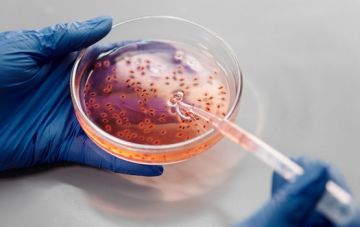
Microbes unveiled: Unlocking nature’s solutions for environmental problems
Professor Adeline Ting Su Yien heads a research team that studies the diverse capabilities of microorganisms and harnesses them to solve environmental problems. The team’s primary objective is to assess the capabilities of these microorganisms and determine their potential in improving crop health, removing toxic environmental pollutants, and producing valuable compounds.

A spoonful of honey a day keeps cancer away?
Professor Gan Siew Hua provides insights into the composition of honey and its impact on blood sugar levels. Honey's rich antioxidant content makes it a potential natural remedy for preventing and treating various cancers, as indicated by studies on breast, skin, liver, and colorectal cancer and its use in radiation mucositis.

Improving the health and wellbeing of sexual and gender-minority people in Asia
Dr Andrian Liem and Associate Professor Keng Shian Ling delve into the unique challenges faced by sexual and gender minority (SGM) individuals in Asia and the importance of adapting psychological interventions to address their specific cultural stressors. They highlight the need for culturally adapted psychological interventions, such as dialectical behaviour therapy (DBT), to support SGM individuals in Asia.

Tocotrienols: The overlooked vitamin E that could boost your health
Research by Professor Ammu Kutty Radhakrishnan suggests that tocotrienols, particularly in the form of tocotrienol-rich fraction (TRF), could serve as a natural alternative to enhance immune responses against breast cancer.

Data-driven nudging and smart tourism
Dr Andrei Kwok Onn Jui's study explores the benefits and ethical implications of data-driven nudging for smart tourism. His study highlights the potential for enhancing tourist satisfaction, promoting sustainability, and increasing engagement.

Zero-calorie fats and oil: The future of healthy and delicious food
Dr Lee Yee Ying's research centres on sustainable, low-calorie fat substitutes and mimetics, particularly using palm derivatives and environmentally friendly enzymes. Her innovative work with nanocellulose has the potential to revolutionise the food industry, offering multi-functional fat substitutes and sustainable food stabilizers.

Debunking the myth: Why being gay is not a choice
In the ongoing debate surrounding homosexuality's origins, this study challenges the notion that people choose to be gay. It emphasises that being gay is not a learned behaviour and explores the challenges faced by gay men in Malaysia.

Striving for a greener world with lignin waste
Researchers at the School of Engineering investigate using ionic liquids and deep eutectic solvents to transform lignin waste into valuable products. Their findings suggest a promising and environmentally friendly approach for producing sustainable products, promoting milder and safer lignin depolymerisation at one atmospheric pressure.

Healthy gut, healthy mind
Discover the intriguing connection between gut health and cognitive function in Malaysia's ageing society. Researchers at Monash University Malaysia delve into the gut-brain axis, revealing insights into neurodegenerative diseases and the role of gut microbiota in cognitive decline.

‘Revenge spenders’ may be fuelling inflation
Explore the impact of "revenge spending" and psychological factors on inflation as consumer prices surge worldwide. This article delves into the phenomenon of revenge buying triggered by disruptive life events, such as COVID-19, and its influence on consumer behaviour.

Who should be held liable when AI makes mistakes?
Who will be held liable if the AI system makes a mistake? The user, programmer, owner, or AI itself? Determining who’s responsible for an AI mistake can be difficult, and it may require legal experts to determine liability on a case-by-case basis.

Will self-driving cars solve the problem of traffic congestion?
In the future, self-driving cars might become a reality, promising improved communication, faster reactions, and reduced traffic congestion. However, this technology is still far from widespread, leaving doubts about its full realisation. Meanwhile, traffic congestion continues to be a pressing issue.

Safeguarding the cryptocurrency ecosystem
Professor Nafis Alam from the School of Business discusses the volatile cryptocurrency market, including the rise and fall of Bitcoin. He highlights the collapse of the cryptocurrency exchange FTX and the need for better regulation.
The grey wave
Researchers from the School of Business, Dr Juliana French and Dr Sharon Koh Geok May, are currently working on a project - Greying Malaysia: how to ensure a sustainable future? The project conducts a necessary and timely needs-based analysis of aged care in Malaysia.

Machine learning to the rescue
Technological advancements such as machine learning offer hope in improving the efficiency of detecting and preventing cyberbullying. Using machine learning for the identification of cyberbullying offers numerous advantages, particularly in terms of scalability, says Associate Professor Manjeevan Singh from the School of Business.

Understanding the informal e-waste recycling sector in Malaysia
Electronic or e-waste is one of Malaysia's fastest-growing solid waste categories, especially regarding recycling. E-waste is classified as scheduled waste under legislative frameworks, which mandate specific rules and requirements for its collection, storage, transport, recycling, and disposal.

Hypnosis, and the potential to manage pain
Pain relief involving hypnosis remains mysterious but can no longer be called a myth. Psychological techniques and interventions that modify activity in the brain and spinal cord can alter pain perception.

ChatGPT: AI problems revisited
The ability of ChatGPT to generate conversational text raises ethical concerns about its potential to generate fake/wrong news or other misleading content. This could have severe ramifications, such as harming reputations, spreading false information, or even inciting violence.
Liquid gold: Unlocking the medicinal properties of propolis
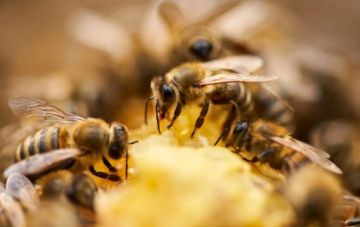
A research team from the School of Pharmacy took up the challenge to produce the first liquid formulation for stingless bee propolis. Called “Malaysian Kelulut Golden Propolis”, the product can be a natural ingredient for cosmetics and personal care products, and helps to reduce reliance on synthetic compounds.
2022
The power of community - Relate Me!
Relate Me is a digital health program created to help build a sense of community and connection during the lockdowns. The project was designed and coordinated by the South East Asia Community Observatory (SEACO) and the Medical School at Monash University Malaysia, which engaged and empowered community health volunteers in collaboration with the World Health Organization (WHO).
The long-term risk of traumatic brain injury
Dr Alina Arulsamy’s research focuses on three key aspects of traumatic brain injury — understanding the pathological interaction of TBI and its outcomes, determining the therapeutic targets for post-TBI interventions and elucidating the status of TBI in Southeast Asia.
Towards a great good place on campus
Dr Chong Yit Sean from the School of Business explores the carryover effect of customers' emotional states from a core service (academic delivery) to a peripheral service context, a global café chain on a university campus.
Trauma, mental health and everyday functioning among Rohingya refugees
Dr Shamsul Haque from the Department of Psychology examines if direct and indirect exposure to traumatic events could predict PTSD, depression, generalised anxiety, and daily functioning among refugees resettled in rural Bangladesh and urban locations in Malaysia.
All-in-one dressing enhances wound healing
Dr Alice Chuah Lay Hong from the School of Pharmacy leads the invention on Tocoheal, an all-in-one dressing containing Tocotrienols for enhanced wound healing. The product has undergone lab testing and has been shown to heal the wound faster than untreated wounds or wounds with a gauze bandage.
Decarbonising with green solar hydrogen energy
Professor Chong Meng Nan from the School of Engineering leads a research team of national and international researchers comprising eminent research scientists, postdoctoral fellows and PhD students, working on developing advanced nanotechnological systems to produce green solar hydrogen (H2) fuels and useful C1-C4 chemicals.
The relationship between COVID-19 stressors and health behaviours
Dr Shian-Ling Keng from the Department of Psychology, along with a team of 107 researchers from over 40 countries globally, are charting COVID-19's deadly sweep across the world by delving into the virus' often overlooked impact on people's health behaviours.
Lights, camera, action!
Film Stardom in Southeast Asia, edited by Dr Jonathan Driskell from the School of Arts and Social Sciences, looks at stardom in Southeast Asia, spanning from the mid-1950s to the present day, a roughly 65-year period. The book encompasses cinemas from all across the region and looks at stars from a wide range of genres.
Video annotation tool to detect mental health problems
Dr Anuja Dharmaratne from the School of IT and her research team are working on a video annotation tool, the first of its kind to use micro expressions, facial action units, and speech patterns to achieve behaviour analysis using Artificial Intelligence-based methods. The research project is motivated by the high prevalence of psychological disorders in the young population.
CARENet - An intensive care mechanical ventilation treatment
Dr Chiew Yeong Shiong and his research team from the School of Engineering have devised a network monitoring system for intensive care mechanical ventilation treatment of respiratory failure patients — CARENet. The team utilises state-of-the-art model-based and artificial intelligence (AI) methods to analyse patients' data.
Understanding the role of viruses in the human gut
A recent paper from Chuen Zhang Lee, an Honours student at Monash University Malaysia, reports progress in identifying bacterial viruses in our guts by using human faeces as the starting material. Chuen used faecal matter from two Malaysian Orang Asli groups to show that the viruses they contain are different from viruses in more frequently studied groups, such as Europeans or Chinese.
Gaining insights into gut microbiata
Monash University Malaysia is working together with AMILI Sdn Bhd, a precision gut health company working across Asia, to profile 1,000 Malaysian microbiomes through the sequencing of stool samples to address the existing knowledge gaps. All sequencing data will be deposited in the GenBank to encourage knowledge sharing and promote microbiome science in Malaysia.
Combating COVID-19 using indoor data analytics
Dr Tan Chee Keong from the School of Information Technology states that indoor data analytics used to enforce social distancing is a novel and original technology. It can analyse individual positions, cluster the individuals based on their positions, and predict the "hotspots" and human movement trajectories.
BAITRADAR - A clickbait detection for YouTube
Led by Dr Lim Chern Hong, a team of researchers from the School of Information Technology have created a system that detects when a video is clickbait and alerts users in real-time. The research significantly impacts Youtube users as it aims to improve the clickbait detection problem on that platform.
Embracing family business qualities to advance social enterprises
A new study by researchers from Monash University Malaysia and the University of Sheffield, published in the Journal of Business Ethics, uncovers a new way for social enterprises to tackle some of its challenges.
Slowing the rapid rise of superbugs
Dr Patrick Tan Hock Siew and his team from the School of Science aim to discover new anti-virulence treatment targets in bacteria that don’t trigger their “survival response”. The team hopes to develop an alternative anti-virulence agent that can be rapidly and easily modified to counter new bacteria mutations.
Alternative to single-use plastic food packaging
Dr Thoo Yin Yin and her team from the School of Science has produced biodegradable food packaging with properties identical to existing petroleum-based packages. The new generation biopolymer-film packaging aims to encourage widespread application through its innovative, scalable and cost-competitive production methods.
Technology can benefit older people
Professor Teh Pei Lee, Head of Department (Management) at the School of Business has been nurturing the Gerontechnology Laboratory since 2016, striving to make it grow and mature into a national premier hub for Gerontechnology research, with outreach and global footprints.
Optimising medication use in older adults
Associate Professor Dr Shaun Lee Wen Huey from the School of Pharmacy and his team worked with several nursing homes to examine if weaning older adults off unnecessary medication can lead to better outcomes. The research team started to identify inappropriate drug use through a medication history review, followed by an assessment of any drug-drug and drug-food interactions to reduce the risk of adverse drug events.
Agglomeration of industries in Malaysia
In the coming decade, the country's shift towards higher value-added industries and the service economy is pertinent to ensuring continuous competitiveness and productivity growth. In order to identify the regional agglomeration of industries, Dr Sharon Koh Geok May from the School of Business calculated location quotient (LQ) measurement using existing state-level employment data.
Sustainable drug discovery
Botanicals have been used as medicines for centuries either in their original form, as extracts or partly purified natural products. Many drugs have been inspired by nature, such as aspirin. Dr Yeong Keng Yoon from the School of Science stated that we could view plants as factories for chemical feedstocks.
2021
Engineering better healthcare
Dr Ooi Ean Hin and Dr Chiew Yeong Shiong currently head the Biomedical Engineering Modelling and Simulation (BEMS) group, where they collaborate with various medical institutions to research different ways to improve specific medical treatments.

Using AI to combat street crimes
Researchers at the School of Information Technology embarked on a research and development endeavour to transform conventional CCTVs into an autonomously intelligent system to detect street crimes in real-time.

Diagnosis and severity assessment of Parkinson’s Disease through machine learning
Under the guidance of Dr Alpha Agape Gopalai from the School of Engineering, PhD student Srivardhini Veeraragavan set out to implement a system that can be used in the diagnosis and severity assessment of Parkinson's disease.

A heartbeat away from wellness
'HeARtbeat' is an educational tool that realistically portrays a beating heart in its normal and abnormal state known as atrial fibrillation. The development of the tool was initiated by Monash University Malaysia and extended to the University of Warwick in the United Kingdom and Monash University in Australia.

Understanding the gender dimensions of Nepali migrant work in Malaysia
Researchers from the School of Arts and Social Sciences are working to answer questions pertaining to gender inequalities, decision-making and perceptions, and the role of intermediaries in facilitating work migration.

Food science and technology for a sustainable future
Associate Professor Siow Lee Fong is researching more on microencapsulation, a technique to encase certain substances in capsule form. She is currently utilising this means on an underutilised plant known as the drumstick tree, or moringa.

Mathematical tools produce new COVID-19 transmission dynamics
Dr Faranak Rabiei from the School of Engineering and postgraduate student Zeeshan Ali collaborated with scientists from international institutes in applied and computational mathematics to produce a new mathematical modelling of COVID-19's transmission dynamics. With the help of fractal-fractional calculus as a powerful mathematical tool, a novel fractal-fractional model of coronavirus involving different compartments was proposed.

Aducanumab: A new hope?
Nearly 50 million people worldwide have been diagnosed with dementia - Alzheimer's disease (AD) being the most common form. Dr Thaarvena Retinasamy's interest in discovering possible treatment strategies for AD is motivated by the need to comprehend the disease's pathophysiology better. She is working alongside Associate Professor Farooq Shaikh in exploring the gaps involved in determining the possible treatment strategies for AD.

Palm oil mill as a circular economy hub
Dr Poon Wai Ching and graduate researcher Lim Chean Shen say a collaborative shared economic platform will enable shared prosperity that derives from higher fruit and oil yields. However, this may not be possible without the long term soil remediation, precision agriculture IR 4.0 for Best Agriculture Practices (BAP) with the palm oil mill as the Circular and Shared Economy hub.

Gender-based biomarkers to assess ageing disorders
The "tsunami of premature ageing" could have a considerable impact on healthcare and socioeconomics. Professor Ishwar Parhar and his team aim to identify gender-based biomarkers for assessing multifactorial disorders of ageing using computer-based machine learning techniques to identify genes, proteins in clinical datasets in the ASEAN population.

Eavesdropping on cell communicationsto diagnose and treat cancer earlier
Extracellular vesicles can provide information about the originating cells and their physiological state, particularly in cancer progression. Dr Lee Wai Leng and her team demonstrated that it was possible to detect cancer-specific proteins by examining the urine of patients with prostate cancer against healthy participants. Their data suggests that this technique can be used for the early screening of cancer, and enable the accurate staging and grading of the disease.

Toolkit for improving social entrepreneurs’ wellbeing
The Doing Good/Staying Well toolkit is a collaborative effort that aims to support the development of change makers’ attitudes, skills, and practices towards wellbeing, which can ultimately lead founders to create and sustain social ventures that catalyse positive social change.

A partnership to promote women’s equality and empowerment
On 12 April 2021, Monash University Malaysia signed a Memorandum of Understanding (MoU) with Amanah Ikhtiar Malaysia (AIM) to develop a business entrepreneurship training program tailored to rural communities. The collaboration further aims to increase women micro-entrepreneurs participation in the e-commerce/marketplace by studying the major challenges they face in adopting digital technology.

Bats: Bane or blessing?
They are often referred to as creatures of the night. And though they are perceived negatively in the West, a collaborative study has proven that bats have a more positive value across the Asia-Pacific region.

Digital health support for prediabetic community
Dr Chong Chun Wie from the School of Pharmacy partners with scientists across different schools within Monash University Malaysia and experts from Monash University Australia and industrial partners, Caring Pharmacy and Bionime (Malaysia) Sdn. Bhd. to address the disparity in the burden of type 2 diabetes mellitus (T2DM) in Malaysia.

The potential of venom in developing life-saving drugs
As deadly and dangerous as venom is, there are many areas to be explored in terms of its values. Besides killing prey, venom holds medical benefits, so there is interest in it for drug discovery. Dr Michelle Yap Khai Khun is a lecturer at the School of Science whose research focuses on venom toxins' pharmacology and future biotherapeutics.

Let there be light: Increasing the yield in plants
Associate Professor Lim Yau Yan from the School of Science leads a research team comprising several PhD and honours students – working on the identification and bioactivity of active compounds from herbal plants, and studying the effects of processing treatment on their bioactivity. The team has recently discovered that the right combination of LED lights can increase the bioactive compound yield of rosmarinic acid by as much as 70%.

Putting SDGs in the business curriculum spotlight
According to Priya Sharma from the School of Business, there is a need to explore the integration of SDGs into an undergraduate business degree capstone unit through authentic learning and collaboration with industry stakeholders. A capstone unit is a final-year unit that serves as the culminating and integrative experience of an educational program. It's designed to provide students with skills that will help prepare them for the working world, and life in general.

The big threat: Antibiotic resistance
Like most real-world problems, it is difficult to find out all the critical causes of antibiotic resistance. A team of researchers from Monash University Malaysia is researching the types and spread of antibiotic resistance in Segamat, Johor. According to Professor Sadequr Rahman, Director of the Tropical Medicine and Biology Research Platform, the answers from Segamat could help improve people's health from all over Malaysia and people of nearby countries.

Drones as the new flying IoT
With beyond visual line of sight (BVLOS) being an important feature in the drone industry, drones are able to fly beyond the normal visual range without human interference. With this in mind, Ir. Dr Joanne Lim Mun Yee from the School of Engineering and her team are focused on creating a power gating technology for Internet of Things (IoT) devices capable of tracking drones and other devices with frequency signals within a designated area.

The trailblazer of Malaysian PR
Despite their contributions, Malaysian women have historically been in the shadow of men in an ecosystem influenced by masculine hegemony. Dr Rizwanah Souket Ali, a public relations lecturer from the School of Arts and Social Sciences, documents the contributions of Paddy Bowie through a chapter titled A 'herstory' of Malaysian public relations: Paddy Schubert, Malaysian women PR pioneer in a recently published book, Women in PR History.
2020

Skin treatment: Moving towards natural products
Natural products have been acknowledged for their nutritional and healing benefits. They are also known to be quick fixes for simple skin problems such as rashes, pimples, and dry patches on the face. Dr Goh Bey Hing from the School of Pharmacy is delving deep into these remedies to understand better why they are effective.

Is the pandemic nudging people to buy life insurances?
Despite the importance of owning life insurance as a necessary protection plan, Life Insurance Association of Malaysia reported that out of 16 million working adults, 7.8 million are uninsured. Dr Sharon Koh from the School of Business investigates if awareness concerning the pandemic can trigger the demand for life insurances.

Going stealth to preserve content quality
Data hiding was introduced to combat issues such as piracy. However, distortion in the host content is inevitable with data hiding. Associate Professor Wong Kok Sheik from the School of Information Technology, Monash University Malaysia and his team aim to ensure that a content's quality is ultimately preserved by preventing unintended or intended changes.

Solar energy! The way towards sustainable development
Electric buses do not contribute to carbon emissions on the road, but when they are charged using electricity from power plants which are fueled by fossil fuels, they indirectly impact the environment. Dr Arshad Adam Salema from the School of Engineering focuses on a sustainable solution for the electric bus transport system in Malaysia using solar energy. The project will showcase for the first time a viable solution to develop an integrated low-carbon township in Sunway City.

COVID-19 does not discriminate
Deaf and hard of hearing individuals face special challenges during the pandemic. This inspired a team of researchers from the Jeffrey Cheah School of Medicine and Health Sciences' HEAlthcaRE needs of the Deaf program to collaborate with the Malaysian Federation of the Deaf and the Malaysian Sign Language and Deaf Studies Association to develop the Malaysian Sign Language (BIM) video translations of the COVID-19 Screening Questions.

Managing online forums in the age of misinformation
Social media platforms and online discussion forums have given a voice to users without holding them accountable for the accuracy of what they say. Dr Ian Lim Wern Han from the School of Information Technology is using a combination of graph algorithms with machine learning to extract valuable tacit information from platforms like Reddit, StackExchange and Quora, to apply a score that estimates the reliability of someone's post.

The Nudge Theory
Associate Professor Grace Hooi Yean Lee, Head of Economics Department at Monash University, Malaysia, and co-researchers at Monash University, Shin Ee Teo and Erte Xiao, embarked on an experiment to see the efficacy of nudging, and note when its effects start to wear off. They organised the 10,000 steps challenge where a series of surveys were conducted to identify inactive students for participation in the experiment.

Understanding the attraction between men and women
Research has long indicated that it is mostly men, who tend to misperceive friendliness as sexual interest. In her recent work, Dr Goh Pei Hwa revisited the question of gender differences in sexual perception accuracy using a face-to-face, laboratory-based interaction paradigm on a sample of university students in Malaysia.

New millennium sees biometrics bursting into the mainstream
We are currently involved in the creation of Bio-PIN, a secure set of algorithms which can be incorporated into any biometric cryptosystem. Bio-PIN is the result of a collaboration between Monash University Malaysia, the Electronics and Telecommunications Research Institute (ETRI), and Yonsei University in South Korea.

Designing an exoskeleton to assist motion
Diseases like stroke and injuries to the spinal cord often result in reduced mobility and are reported to be among the leading causes of mobility impairments worldwide. Dr Alpha Agape Gopalai is working on an exoskeleton, called Ambulate Me, to help support the body by sending stimulation signals to the affected muscle group so that the limbs can move again.

Portable water filter for disaster relief efforts
The Sri Lanka Institute of Nanotechnology (SLINTEC), in collaboration with Monash University Malaysia, and Newcastle University, has developed Poseidon, a portable filtration device that can be fitted to a water bottle. This allows people who are deprived of access to clean water to filter what they drink.

Genomics: A shining light of hope
Published in the March 20 edition of the peer-reviewed academic journal Science was the sequencing of 929 genomes of 54 diverse populations from around the world. The 929 genomes were sequenced at the Wellcome Sanger Institute near Cambridge. Professor Qasim Ayub was part of the Human Evolution Team at this institute.

The quest to meet an effective hangover treatment
Hangover swings into action when one's blood alcohol content approaches zero. To prevent or treat hangovers, Hangaway Sdn Bhd - a Malaysian company founded by Monash alumni Marcus Chew, a registered pharmacist - has been working together with Monash Malaysia’s School of Pharmacy to develop a hangover remedy beverage.

Metabolic syndrome: Solace and solution through peer-support lifestyle intervention
Researchers at Monash University Malaysia have created "PERSUADE" (PEeR SUpport program for ADults with mEtabolic syndrome), an evidence-based and community-specific nutrition and lifestyle behaviour peer support program for individuals with metabolic syndrome.

Medical or Supernatural
Epilepsy has been viewed as a form of a mysterious supernatural trance. Researchers at Monash University Malaysia have teamed up to explore the possibility of engaging religious institutions as a means to raise awareness and provide education. The overall aim of this project is to reduce the level of discrimination against the affected individuals.

Turning e-waste trash into treasure
An expert in mining and minerals engineering, Dr Saman Ilankoon is currently exploring the extraction of copper from discarded printed circuit boards as a lot of natural materials used in electronic and electrical components are lost when products are discarded. He is also developing a Smart E-Waste Collection Box, which uses a mobile application to optimise the collection of e-waste materials.

Studying the therapeutic effects of snake venom on cancer cells
Cancer is among the leading causes of death worldwide that affects both men and women. A team of researchers from the Jeffrey Cheah School of Medicine and Health Sciences are now at the centre of a study to determine the efficacy of snake venom for cancer treatment.