
Postgraduate Diploma vs Master's Degree: Which is the better choice for you?
27 October 2025

Postgraduate education offers a wealth of opportunities for individuals seeking to advance their careers, specialise in a particular field, or pursue further academic achievements. In Malaysia, as in many parts of the world, two prominent pathways in postgraduate study are the Postgraduate Diploma and the Master's Degree. Understanding the distinctions between these qualifications is crucial for making an informed decision that aligns with your professional aspirations and academic goals.
A Postgraduate Diploma is a shorter, career-focused qualification that provides specialised skills in a specific area, making it ideal for those looking to gain expertise quickly. In contrast, a Master's Degree is a longer, more comprehensive academic program that often includes a research component, such as a thesis. A Master's is suited for individuals seeking advanced specialisation, career progression, or an academic research-focused career.
This article aims to elucidate the key differences between a Postgraduate Diploma and a Master's Degree, providing insights to help you determine which path best suits your objectives. By examining aspects such as duration, cost, recognition, and career prospects, we endeavour to equip you with the knowledge needed to make a choice that aligns with your aspirations.
What is a Postgraduate Diploma?
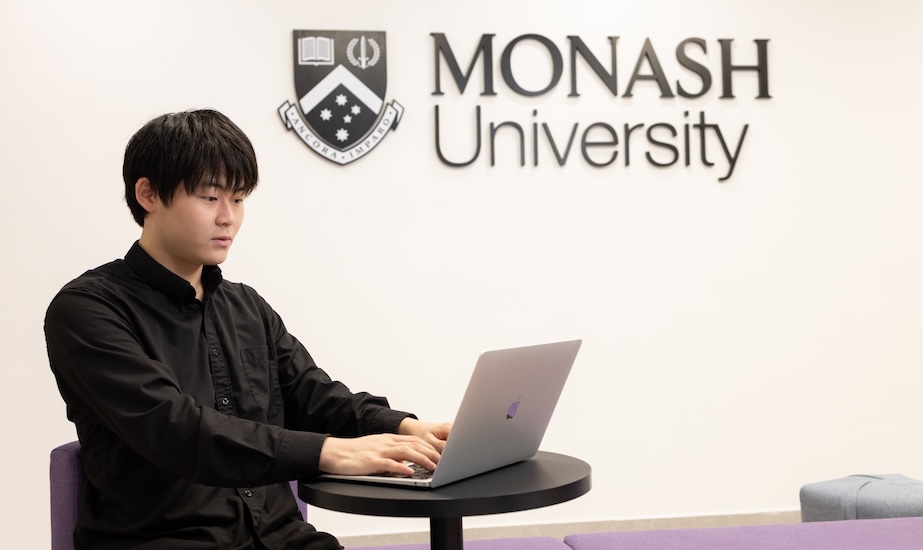
A Postgraduate Diploma is a specialised qualification pursued after obtaining a bachelor's degree. It offers advanced knowledge and practical skills in a specific field, serving as a bridge between undergraduate studies and professional practice or further academic pursuits.
Duration and structure
In Malaysia, the duration of a Postgraduate Diploma typically ranges from 6 months to 1 year for full-time students, with part-time options extending to 1 to 2 years. These programs are designed to be intensive, focusing on equipping students with industry-relevant competencies.
Typical Prerequisites
Admission requirements for Postgraduate Diploma Programs generally include:
- Academic qualifications: A recognised bachelor's degree or its equivalent.
- Professional experience: Some programs may require relevant work experience, especially for those with lower undergraduate grades.
- English language proficiency: Depending on the institution, proof of English proficiency may be necessary, such as a minimum score in the Malaysian University English Test (MUET) or equivalent tests.
What is a Master’s Degree?

A Master’s Degree is an advanced academic qualification pursued after completing an undergraduate degree. It offers in-depth knowledge and specialised skills in a specific field, preparing graduates for higher-level professional roles, research opportunities, or further academic study.
Duration, structure, and types of Master's Programs
At Monash University Malaysia, Master’s programs are primarily coursework-based, designed to enhance career prospects and provide an opportunity for focused study in a particular area. The duration of these programs varies:
- Full-time students: Typically complete the program in 1 to 2 years.
- Part-time students: May take up to 4 years to finish, allowing for flexibility alongside professional commitments.
The structure of these programs includes a combination of lectures, seminars, practical assignments, and assessments. Some courses may offer the option to undertake an industry-based project or a dissertation, depending on the specific program and the student's career objectives.
Typical prerequisites and academic requirements
Admission to a Master's program at Monash University Malaysia generally requires:
- Academic qualifications: A recognised bachelor's degree or equivalent in a relevant discipline.
- Minimum academic performance: A Weighted Average Mark (WAM) of at least 60% or its equivalent, depending on the program.
- English language proficiency: Proof of proficiency through recognised tests or qualifications. Specific requirements may vary by program.
- Additional requirements: Some programs may have specific prerequisites or require relevant work experience.
Key differences between a Postgraduate Diploma and a Master’s Degree
Aspect | Postgraduate Diploma | Master's Degree |
Depth of Study | Practical skills and specialised knowledge, no research component | In-depth knowledge, including coursework and often a research component |
Career Outcomes | Enhances employability and career progression in specific areas | Required for higher-level positions, research roles, or academic careers |
Cost Comparison | RM 10,000 to RM 20,000 per year | RM 15,000 to RM 60,000 per year |
Academic Recognition | Recognised as a Level 7 qualification under the Malaysian Qualifications Framework (MQF) | Recognised as a Level 7 qualification under the Malaysian Qualifications Framework (MQF), it has greater international recognition |
Which qualification is right for you?
1. Career goals
- Postgraduate Diploma: If your immediate goal is to enhance your skills and increase employability in a specific area, a Postgraduate Diploma may be the better option. It offers a quicker route to specialise in a field and gain practical, industry-relevant skills.
- Master’s Degree: If you're aiming for long-term career advancement, higher-level roles, or planning to shift into academia or research, a Master’s Degree might be more suitable. It provides the depth and recognition often required for senior roles or further academic study.
2. Financial considerations
- Postgraduate Diploma: Typically more affordable, with tuition fees ranging from RM 10,000 to RM 20,000 per year, making it a financially viable option for those with a limited budget. Scholarships and financial aid may also be available at various institutions.
- Master’s Degree: Although a Master’s Degree can be more expensive, with tuition fees ranging from RM 15,000 to RM 60,000 per year, it could offer a higher return on investment in terms of salary and career opportunities. Many universities also provide scholarships or financial assistance for Master's Programs.
3. Time availability
- Postgraduate Diploma: A Postgraduate Diploma typically takes less time to complete (6 months to 1 year), making it ideal for those who want to upskill without a significant time commitment. It may also suit those with professional or personal obligations who prefer part-time study.
- Master’s Degree: A Master’s Degree generally requires a longer time commitment (1 to 2 years for full-time study), so it’s better suited for those who can dedicate more time to their studies or are seeking a more comprehensive educational experience.
4. Interest in further academic study
- Postgraduate Diploma: If you are not considering further academic study or a research career, the Postgraduate Diploma provides a focused, practical qualification. However, some programs may allow you to transition into a Master's Degree later on.
- Master’s Degree: For those interested in pursuing a PhD or further specialisation, a Master’s Degree provides the necessary academic foundation. It’s also often required for those seeking to enter academia or research-based roles.
Career opportunities with a Postgraduate Diploma
A Postgraduate Diploma is a valuable qualification that can enhance your career prospects, especially in Malaysia's dynamic job market. It offers a practical and focused approach to gaining specialised knowledge and skills in various fields.
Career roles pursued after completing a Postgraduate Diploma
Graduates with a Postgraduate Diploma often pursue roles that require specialised expertise but may not necessitate a full Master's Degree. These positions typically involve practical application of knowledge and can be found across various industries.
Industries and sectors where a Postgraduate Diploma is highly regarded
In Malaysia, several industries value the practical and specialised skills that a Postgraduate Diploma provides:
- Business and commerce: Roles in management, marketing, and finance often seek candidates with specialised business knowledge.
- Healthcare: Positions in healthcare management and specialised clinical roles benefit from the advanced training offered by Postgraduate Diplomas.
- Information technology: The tech industry values professionals with up-to-date skills in areas like cybersecurity, data analytics, and software development.
- Education: Teaching and educational leadership roles often require specialised training, which a Postgraduate Diploma can provide.
- Engineering and manufacturing: Technical roles in the engineering and manufacturing sectors benefit from the specialised knowledge gained through Postgraduate Diplomas.
Monash University Malaysia: Postgraduate Diploma Qualifications Opening Doors to Career Growth
Monash University Malaysia offers a range of Postgraduate Diplomas designed to meet the needs of today’s dynamic industries. One notable example is the Postgraduate Diploma in Business, which provides advanced knowledge in key business practices. This program equips graduates with the practical skills and strategic understanding needed to enhance their career prospects in the business sector and beyond.
Career opportunities with a Master’s Degree
Pursuing a Master’s Degree in Malaysia can significantly enhance your career prospects, opening doors to higher-level roles across various industries. This qualification is particularly valuable for those aiming for leadership positions, specialised expertise, or academic careers.
Higher-Level roles and career prospects
Graduates with a Master’s Degree often qualify for senior roles that require advanced knowledge and skills. These positions typically offer greater responsibilities, higher salaries, and more opportunities for career advancement. For instance, roles such as:
- Project Manager
- Data Scientist
- Financial Analyst
- Healthcare Administrator
- University Lecturer
These positions are prevalent across sectors such as technology, finance, healthcare, and education. According to JobStreet Malaysia, over 1,600 job listings require a Master’s Degree, reflecting the demand for highly qualified professionals.
Industries and sectors requiring or preferring a Master’s Qualification
Certain industries in Malaysia place a premium on candidates with a Master’s Degree due to the specialised knowledge and skills required. These sectors include:
- Technology and digital transformation: With the rise of AI, data analytics, and cybersecurity, professionals with advanced degrees are in high demand to lead digital initiatives.
- Finance and business services: Roles in investment banking, financial analysis, and fintech often require a Master’s Degree for positions such as Financial Analyst or Project Manager
- Healthcare: Advanced positions in healthcare administration and public health require specialised knowledge, often obtained through a Master’s Degree
- Education and academia: To pursue a career as a university lecturer or academic researcher, a Master’s Degree is typically essential.
Career Paths Benefiting from a Master’s Degree
A Master’s Degree can pave the way for various career paths, including:
- Research and development: Engaging in advanced research projects, often leading to innovations and contributions to the field.
Management and leadership: Assuming leadership roles that require strategic planning, decision-making, and team management. - Academia: Teaching at the tertiary level and contributing to academic research and publications.
- Consultancy: Providing expert advice to organisations in areas such as management, IT, or finance.
Postgraduate Diploma as a stepping stone to a Master’s Degree

For students seeking to advance their academic qualifications, a Postgraduate Diploma can be a valuable first step towards a Master's Degree. It provides an opportunity to gain specialised knowledge and skills in a specific field and, in many cases, serves as a pathway to more advanced studies.
How completing a Postgraduate Diploma can lead to a Master's Program
Many universities in Malaysia, including Monash University Malaysia, offer pathways that allow completion of a Postgraduate Diploma to lead directly into a Master's program. In these cases, students may be able to transfer their Postgraduate Diploma credits to the Master's program, reducing the overall duration of their studies.
By completing the Postgraduate Diploma first, students have the option to build on their qualifications and gain admission to the Master’s program without the need to start from scratch. This can be particularly beneficial for students who may not initially meet the full entry requirements for a Master's but want to progress to more advanced studies in the future.
Benefits of gaining a Postgraduate Diploma first
- Easier entry into a Master’s Program: Some Master's programs may have strict entry requirements, and completing a Postgraduate Diploma first can help students meet those requirements by demonstrating academic readiness. It can also provide the necessary foundation for tackling more complex concepts in a Master's program.
- Specialised knowledge: A Postgraduate Diploma provides in-depth knowledge in a specific area, which can give students a competitive advantage when progressing to a Master's program. With a solid grounding in the subject, students may find it easier to grasp the more advanced topics covered in their Master’s studies.
- Industry relevance: The practical focus of many Postgraduate Diplomas makes them highly relevant to current industry needs. Students gain knowledge that is directly applicable to their field, enhancing both their employability and readiness for further study.
Flexibility and options for students who want to progress to a Master’s later
A Postgraduate Diploma offers flexibility for students who wish to pursue a Master’s degree at a later time. Many students choose to work for a period after completing their Postgraduate Diploma to gain practical experience before returning to higher education. This work experience can enrich their studies and provide additional insights when they eventually enrol in a Master’s program.
Furthermore, some universities offer dual-degree or flexible study options, allowing students to start with a Postgraduate Diploma and then transition seamlessly into a Master’s program once they feel ready. This allows for a more manageable, step-by-step approach to advancing qualifications without overwhelming time or financial commitments.
Pros and cons of a Postgraduate Diploma
A Postgraduate Diploma offers a practical and specialised qualification, but like any academic pathway, it comes with its own set of advantages and disadvantages. Here's a closer look at the pros and cons to help you determine whether this qualification aligns with your career and educational goals.
Pros of a Postgraduate Diploma
- Shorter durationPostgraduate Diplomas typically take less time to complete than a Master's Degree, making them an attractive option for those who want to gain advanced knowledge and skills quickly. Programs usually take between 6 months and 1 year full-time, and up to 2 years part-time. This allows students to enter the workforce sooner.
- Quicker path to employmentDue to the shorter duration, students can complete a Postgraduate Diploma faster and enter the workforce earlier. This qualification is ideal for those who want to upskill or shift careers quickly, especially if they already have some experience in the field.
- Less academic pressure Unlike Master's programs, which often require research projects or theses, Postgraduate Diplomas are more focused on practical knowledge and skills. This can be less academically demanding, making it suitable for those who may not want to commit to the high level of academic rigour required for a Master's.
Cons of a Postgraduate Diploma
- Limited depthWhile a Postgraduate Diploma provides specialised knowledge, it typically lacks the depth of a Master’s Degree. The focus is often on practical skills rather than in-depth theoretical understanding, meaning graduates may not have the same comprehensive knowledge as those who complete a Master's program.
- Fewer career advancement opportunitiesAlthough a Postgraduate Diploma can enhance employability, it generally does not offer the same level of career advancement as a Master’s Degree. Some senior or research-oriented positions may require a Master's qualification, limiting opportunities for Postgraduate Diploma holders.
Pros and cons of a Master’s Degree
A Master’s Degree offers significant academic and professional benefits, but also comes with certain challenges. Here's a breakdown of the pros and cons to help you assess whether a Master’s qualification is right for you.
Pros of a Master’s Degree
- Deeper academic understandingA Master’s Degree provides a more comprehensive and in-depth understanding of your field. It typically involves advanced coursework, research projects, and sometimes a thesis or dissertation. This level of academic rigour allows you to gain a deeper theoretical and practical knowledge base.
- Higher earning potentialGraduates with a Master’s Degree tend to have higher earning potential compared to those with only an undergraduate degree or a Postgraduate Diploma. The advanced qualifications can make you eligible for higher-paying roles, especially in leadership, management, and specialised fields. According to the Malaysian Ministry of Higher Education, employees with a Master's qualification earn significantly more on average than those with lower qualifications. (mohe.gov.my)
- More career opportunitiesA Master’s Degree opens doors to a broader range of career opportunities, particularly in senior-level, management, or research-oriented roles. Many companies and organisations require or prefer candidates with a Master’s qualification for higher-level positions. It can also increase your job security and make you more competitive in a crowded job market.
- Preparation for a PhDFor those interested in pursuing academic careers or research roles, a Master’s Degree provides the necessary foundation for further study, such as a PhD. It equips you with research skills and methodologies, preparing you for the rigour of doctoral study.
Cons of a Master’s Degree
- Longer durationMaster’s programs typically take 1 to 2 years to complete full-time and up to 4 years part-time. This is a longer commitment than a Postgraduate Diploma, which means it takes longer before you can enter the workforce or advance to the next stage of your career.
- Higher academic intensityMaster’s programs are academically demanding and often involve rigorous coursework, research, and a thesis or dissertation. This intensity can be challenging, especially for students who may already be balancing work or personal commitments. Academic pressure can lead to burnout if not managed properly.
- Potential delay in entering the job marketWhile pursuing a Master’s Degree can enhance career prospects in the long term, it may delay entry into the job market. This is especially true for those who study full-time and choose not to work while studying. In competitive industries, this delay might mean missing out on early career opportunities, which could be a consideration for those seeking immediate employment.
Conclusion: Choosing between a Postgraduate Diploma a Master's Degree
Choosing between a Postgraduate Diploma and a Master’s Degree depends largely on your individual career and academic goals.
A Postgraduate Diploma offers a quicker, more affordable path to gaining specialised knowledge and enhancing employability. It’s ideal for those who want to upskill in a specific area and enter the workforce more rapidly. However, it may offer less depth and fewer opportunities for career advancement compared to a Master’s Degree.
A Master’s Degree, on the other hand, provides deeper academic understanding, higher earning potential, and more career opportunities, particularly in leadership, research, or specialised roles. It’s an excellent option for those looking for long-term career progression or who wish to pursue further studies, such as a PhD. However, the longer duration, higher cost, and academic intensity are important considerations.
Ultimately, your decision should be based on your career aspirations, financial situation, time commitment, and desire for further academic development. By carefully weighing these factors, you can choose the path that best aligns with your personal and professional goals.
Let's stay connected
Leave your contact details to receive our events and course updates.