
EDI Series #1: Inclusive leadership
11 September 2023
by Dr Shazmin Khalid
School of Business
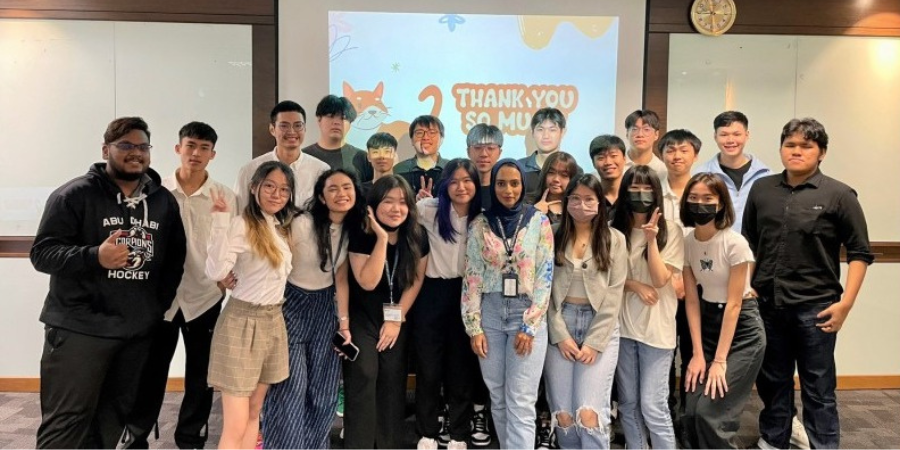
As a Kenyan female embarking on my early career as a researcher and lecturer at Monash University Malaysia, my academic journey has been shaped by my unique experiences. Inclusive leadership is not merely a concept but a lived reality I benefit from and aspire to embody. It entails creating an environment where individuals feel valued, supported, and empowered to fully contribute to an organisation’s objectives regardless of their background, identity, or perspective. An inclusive leader proactively seeks diverse viewpoints, leverages the team members’ strengths, and diligently addresses unconscious biases and systemic inequalities that may obstruct any group member’s full participation. This proactive approach cultivates an innovative and collaborative work environment, aids in attracting and retaining top talent, and ultimately enhances the organisation’s success.
Navigating various roles as a young female early-career researcher and lecturer from a developing country, I recognise the importance of fostering spaces where everyone feels acknowledged, valued, and empowered. Through my teaching methods and research initiatives, I aim to weave diverse narratives and insights, underlining that excellence in academia transcends representation; it encompasses the active inclusion of varied perspectives.
Kenya, known for its rich tapestry of ethnicities and cultures, was my first classroom in understanding diversity. There, I pursued my PhD, focusing on maternal health systems, an endeavour that highlighted the intersections of culture, healthcare, and infrastructure. This academic pursuit taught me that our differences, be they in tribes, languages, or traditions, are the very elements that craft our nation’s unique identity. Translating this understanding to the academic world, I have come to deeply value diversity in culture, research, and teaching.
Different cultures bring with them different perspectives, methodologies, and knowledge paradigms. Embracing these differences doesn’t dilute our academic pursuits; it enriches them. I consciously integrate diverse perspectives worldwide, including Kenya and Malaysia, in my lectures. This approach does more than broaden the horizons of our students; it prepares them for a globalised world. This diversity of thought in research often leads to more comprehensive, holistic conclusions. Research isn’t just about answering questions; it’s about questioning our answers, and multiple perspectives ensure we do that rigorously.
However, valuing diversity is only the first step in inclusive leadership. The next and even more crucial step is involvement in decision-making processes. At Monash, I am fortunate to be part of a system that seeks the input of its members, irrespective of their rank or tenure. I can contribute ideas and feedback in committees and meetings, collaborate with diverse colleagues, and leverage networks to gather a wide range of insights. Being part of a system that values input from all members facilitates this involvement, ensuring decisions about curriculum design, research methodologies, and administrative processes are enriched by a broad spectrum of experiences and insights.
Promoting equal opportunities is another pillar of inclusive leadership. At Monash, I have witnessed and benefitted from initiatives designed to guarantee success for all. These include scholarships targeting underrepresented groups, mentorship programs for early-career researchers, and workshops on skill development. I embody inclusive leadership by mentoring students, actively pursuing professional development opportunities, collaborating with colleagues from varied backgrounds, and advocating for an inclusive work environment. This proactive approach ensures that I am not just a beneficiary of equal opportunities but also an active participant in creating a more inclusive and equitable academic environment.
Yet, inclusive leadership is not just about following best practices but also challenging the status quo. True leaders don’t just ask, “Why?” They dare to ask, “Why not?” As a Kenyan at Monash Malaysia, I bring with me the academic teachings of my field and the innovative spirit of my homeland. Kenya, often dubbed the “Silicon Savannah”, is known for its innovative solutions in tech, entrepreneurship, and beyond. This spirit of innovation, of challenging established norms and thinking outside the box, is what I endeavour to introduce in my classroom and research projects. Inclusion is not just about integrating diverse voices; it’s about amplifying them to encourage new, innovative ways of doing things.
My experience at Monash University, viewed through the lens of a Kenyan academic, has been a testament to the potential of inclusive leadership. It’s a journey of mutual growth, where the institution learns from its diverse members even as it imparts to them the global standards of excellence. By valuing diversity, promoting equal opportunities, involving all in decision-making, and continuously challenging the status quo, we don’t just make our universities better; we shape a brighter, more inclusive future for the world.