
Why Study Chemical Engineering in Malaysia: Industry 4.0, Green Energy, and the Jobs of 2030
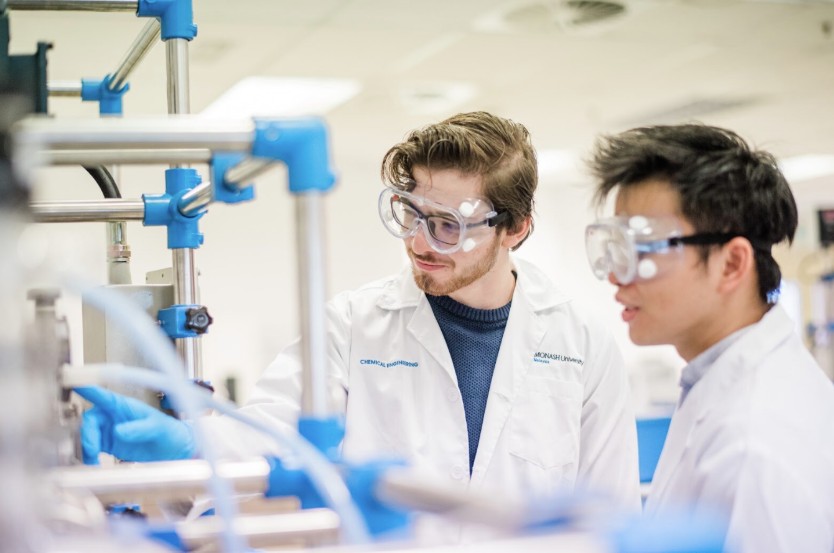
Malaysia's chemical industry is one of the country's most valuable strategic sectors, contributing 6% to GDP and employing close to 293,000 people. It is also changing fast.
Automation, digitalisation, and the shift toward a green economy are reshaping what chemical engineers do and where they are needed most. If you are weighing up your tertiary options, chemical engineering offers a degree built for exactly this kind of change.
This article looks at why chemical engineering matters to Malaysia's future, how Industry 4.0 and sustainability are creating new career paths, and what studying the discipline at Monash University Malaysia actually involves.
A Strategic Industry with Government Backing
Malaysia's chemical sector is not a niche corner of the economy. The Ministry of Investment, Trade and Industry (MITI) launched the Chemical Industry Roadmap 2030 (CIR2030) with the goal of lifting the sector's gross value add from 3.4% to more than 4.5% of GDP by 2030, worth an estimated RM40 billion in added value.
The roadmap also aims to make Malaysia the top ASEAN destination for foreign direct investment into chemicals, spanning base chemicals, plastics and polymers, and specialty chemicals.
That kind of national investment translates directly into demand for skilled chemical engineers, from process design and plant operations to research and sustainability roles.
When an entire industry is asked to grow its value while adopting new technology, it needs graduates who understand both the chemistry and the systems that support it.
Industry 4.0 Is Changing What Chemical Engineers Do
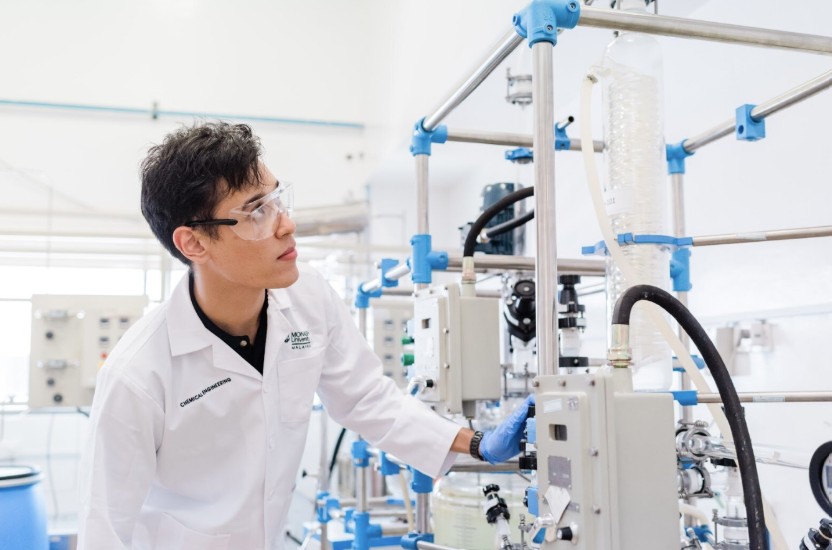
Industry 4.0 brings together the Internet of Things, cloud computing, automation, and artificial intelligence to transform how manufacturing and process industries operate.
For chemical engineers, this means the job is no longer only about reactors and pipelines. It now includes smart manufacturing, cyber-physical systems, and data-driven process control.
Monash University Malaysia was the first university in Malaysia and Australia to build fourth industrial revolution concepts into its undergraduate chemical engineering curriculum.
Studying the Bachelor of Engineering (Honours) in Chemical Engineering means you graduate with an understanding of advanced sensory systems, autonomous systems, and modern manufacturing technology, alongside the core chemical engineering fundamentals of mass transfer, thermodynamics, and reaction engineering.
This matters because a national workforce study by TalentCorp, covering ten strategic sectors including chemicals that together contribute RM933 billion to Malaysia's GDP, found that 620,000 jobs, or 18% of the 3.5 million employees across those sectors, are expected to be significantly affected by artificial intelligence, digitalisation, and the green economy within the next three to five years. Of the 60 emerging roles identified in the study, 43 are AI and digital related.
Graduates who understand both traditional chemical engineering and these emerging technologies will be better placed to move into the roles the industry is creating.
Green Energy and Sustainability Are Driving New Demand
Sustainability is not a side conversation in chemical engineering anymore. It sits at the centre of how the industry plans to grow. Chemical engineers are involved in energy harvesting, conversion, storage, and distribution, all areas central to Malaysia's transition toward cleaner energy sources.
You can see this reflected in Monash's own engineering research, which covers energy and sustainability as one of its focus areas, keeping pace with developments in how energy is produced, stored, and used.
For students thinking beyond their undergraduate degree, this focus continues into postgraduate study. The Master of Applied Engineering at Monash Malaysia offers specialisations including Sustainable Energy Engineering and Decarbonisation and Net Zero, built with industry input so graduates can move directly into roles supporting Malaysia's low-carbon transition.
Why Chemical Engineering Suits Students Who Like Problem-Solving at Scale
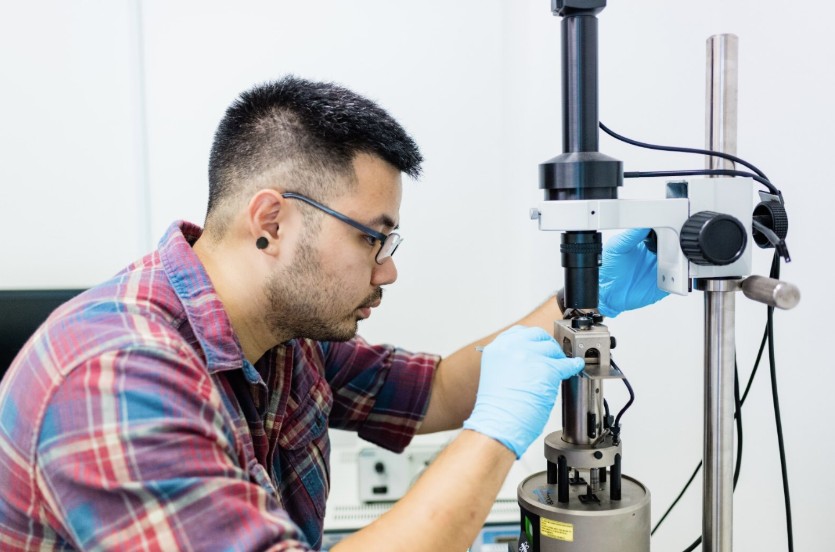
Chemical engineering rewards students who enjoy chemistry, physics, and mathematics, and who like the idea of scaling up a process from the laboratory bench to an industrial plant.
It suits people who want to understand not just how a reaction works, but how to design a system around it that is safe, efficient, and increasingly, sustainable.
You will find this reflected in what graduates say about their careers.
Alumni from Monash's chemical engineering program have gone on to work in oil and gas, manufacturing, and research-driven roles across Malaysia and internationally, using their degree as a foundation for careers that increasingly touch on energy transition, industrial innovation, and process improvement.
You can read more about their experiences on the what our graduates say page.
Where Monash Chemical Engineering Stands
Reputation matters when you are choosing a degree that will shape your career for decades. Monash's chemical engineering program holds the top position in Malaysia and ranks second in Australia, with an international standing of 43rd in the world.
The degree is accredited by both Engineers Australia and the Board of Engineers Malaysia (BEM), and is recognised under the Washington Accord, meaning graduates can work in other signatory countries without needing to requalify.
You can find more detail on the program's international reputation and explore why students choose chemical engineering at Monash.
Frequently Asked Questions
Is chemical engineering a good degree to study in Malaysia right now?
Yes. The chemical industry is a designated strategic sector under Malaysia's Chemical Industry Roadmap 2030, with government-backed plans to grow its value add and attract investment, which supports long-term demand for skilled chemical engineers.
How is Industry 4.0 changing the chemical engineering profession?
Industry 4.0 introduces automation, the Internet of Things, and data-driven process control into manufacturing and process industries. Chemical engineers now need to understand smart manufacturing and cyber-physical systems alongside traditional process engineering skills.
What kinds of jobs can chemical engineering graduates expect by 2030?
Beyond traditional plant and process roles, graduates can expect growing demand in energy transition, decarbonisation, and digitally enabled manufacturing, as national studies point to a large share of jobs across strategic sectors being reshaped by AI, digitalisation, and the green economy.
Does chemical engineering connect to green energy careers?
Yes. Chemical engineers play a central role in energy harvesting, conversion, storage, and distribution, all of which are relevant to Malaysia's shift toward cleaner and more sustainable energy sources.
Can I specialise further in sustainability after finishing my undergraduate degree?
Yes. Postgraduate options such as the Master of Applied Engineering allow graduates to specialise further, including in areas like Sustainable Energy Engineering and Decarbonisation and Net Zero.
Start Building Toward the Jobs of 2030
Chemical engineering sits at the intersection of a strategic national industry, a technological shift driven by Industry 4.0, and a global push toward sustainable energy. Studying it now means preparing for the jobs that Malaysia's chemical sector will need most by 2030 and beyond.
If this sounds like the path for you, explore the Bachelor of Engineering (Honours) in Chemical Engineering at Monash University Malaysia and start planning your application.
Stay Updated on Courses and Events
Leave your contact details to receive invitations to university events, course updates, and helpful information about studying at Monash University Malaysia.