
Palm oil mill as a circular economy hub

17 July 2021
The palm oil industry has evolved to include national mandatory regulatory sustainability standards to mitigate adverse environmental impacts and ensure supply sustainability. However, this sector faces land degradation trends similar to other global agriculture sectors brought on by long-term aggressive chemical fertilisers application and the removal of biomass from the land without consistent soil organic carbon content input and remediation. Biomass wastes and declining fruit yields for second-and third-generation plantations are challenges that palm oil industry practitioners and policymakers are trying to address.
Apart from meeting mandatory regulatory compliance, the industry strives to address existing environmental, social and governance (ESG) challenges. In terms of social challenges, smallholders represent 42 per cent and 40 per cent of planted hectarage in Indonesia and Malaysia, respectively, with 30-50 per cent yield gaps from large corporate plantation groups. Uplifting and bridging the yield gaps are among the industry policymakers' primary focus, which includes addressing the rural communities' social well-being. Smallholder communities do not have the means, techno-economic know-how and access to palm oil mills' significant biomass waste as farm inputs for soil remediation.
"The pressure to secure additional arable land to replace dilapidated farmland may lead to more deforestation and indirect land-use change (ILUC) risks," said Associate Professor Dr Poon Wai Ching from the School of Business, Monash University Malaysia, a sentiment echoed by her joint research collaborator Lim Chean Shen, who is a Graduate Researcher from the School of Engineering.
There are unresolved conflicts, trade disputes and antagonisms between palm oil-producing countries' mandatory regulations and consumer countries' centric international standards. These differences in perspective did not consider that palm oil has more than five times higher oil yield/Ha than the next alternative seed oil crops. Replacing the palm oil current 35 per cent market share of the global demand of vegetable oil with other alternative vegetable oil will increase ILUC risks.
"Therefore, taking punitive measures, such as boycotting palm oil, is not a viable option in addressing Sustainable Development Goals (SDG) without any likely replacement crops with more efficient productions in terms of land use to meet global demands," stated Lim.
Land degradation trend
Over the years, in pursuit of better yield, aggressive fossil-based fertiliser farm inputs have been rising, and the associated harmful effects are a growing concern.
"This excessive use of chemical fertilisers causes soil and waterway pollution. The business-as-usual practice of over-aggressive chemical fertilisers inputs and biomass removal also cause soil acidification, soil organic carbon pool depletion, loss of fertility and accelerated erosion. These are major soil degradation processes. The complexity in the interactions between various stakeholders in the value chain of oil palm upstream industries has resulted in the diverse SI development strategic directions and significant cross-disciplinaries deficiency in understanding the critical role of soil remediation and regenerative model. As a result, current business-as-usual practices tend to be confined within specific disciplines or areas without regenerative sustenance considerations for the entire upstream ecosystem," Lim added.
Circular economy and regenerative agriculture
Food security is one of the primary policy focuses for many countries. The policymakers in the EU and China have adopted the Circular Economy concepts and announced their respective Circular Economy Initiatives in 2015 and 2016.
For the palm oil industry, biomass waste treatment and subsequent recycling back to the estate as value-added compost or bio-organic fertiliser (BOF) exhibits Circular Economy principles. BOFs, in general, are composted organic matter with a high colony-forming unit ("CFU") count of beneficial microorganisms with the potential to improve soil fertility and yield improvement. Numerous studies point out that soil degradation trends are reversible by restorative soil remediation management practices.
A shared economic hub
Palm oil mills' are understood to play a significant role in the circular economic business ecosystem. According to Dr Poon, the biomass treatment process choice adopted by the respective palm oil mills ensures a high CFU count of targeted beneficial microbes in the BOF consistently is the essential success factor.
"Inclusive integration of palm oil mills with surrounding estates that supply the fruits via a shared economy framework is vital to improve the gross domestic product of local communities. This collaborative approach will meet SDG Goal 12 (sustainable consumption and production) and Goal 17 (partnerships for the goals). The improvement in fruit yields and reversal in land degradation trends shall provide economic sustenance for the rural communities and participating smallholders, thus also meeting SDG Goal 1 (no poverty)," stated Dr Poon.
Palm oil mills that adopt co-composting waste treatment for upcycling all the biomass wastes from palm oil mill processes (including wastes from renewable biomass and biogas power generation) exhibit SI activities towards SDG mission objectives.
- Goal 7 – Affordable and clean energy in the self-sustaining renewable power generation (and Biogas power as additional power generation capacity);
- Goal 8 – Decent work and economic growth in the production of BOF or value-added composts towards Regenerative Agriculture;
- Goal 9 – Industry innovation and infrastructure in the integrated co-composting waste treatment facilities and digital infrastructure for Precision Agriculture IR 4.0 and Supply chain e-commerce;
- Goal 13 – Climate change in carbon emission reductions due to waste treatment adopted; and
- Goal 15 - Protect, restore and promote sustainable use of terrestrial ecosystems, sustainably manage forests, combat desertification, halt and reverse land degradation, and halt biodiversity loss.
"Typical palm oil mills can operate on a stand-alone basis with their renewable biomass power and steam generation. The excess power generation capacity of the palm oil mills (especially with biogas capture and power generation) can position the mill as the hub and host to digital infrastructure supporting precision agriculture Industry Revolution 4.0 (IR 4.0), digital trade and services platforms for the local communities," said Lim.
The pandemic laid bare the necessity for critical resilience infrastructure built up. The disparities in the reliance of foreign workers and the rural communities' digital divides are among the significant concerns. The business-as-usual labour intensive practice of disposing of solid biomass waste – Empty Fruit Bunches as mulch back to estates will not be viable during the movement control order (MCO) period. Without an adequate supply chain communication platform during MCO, massive congestions for the smallholders' fruits delivery can be frustrating and non-productive with high fruit spoilages (See Figure 1).
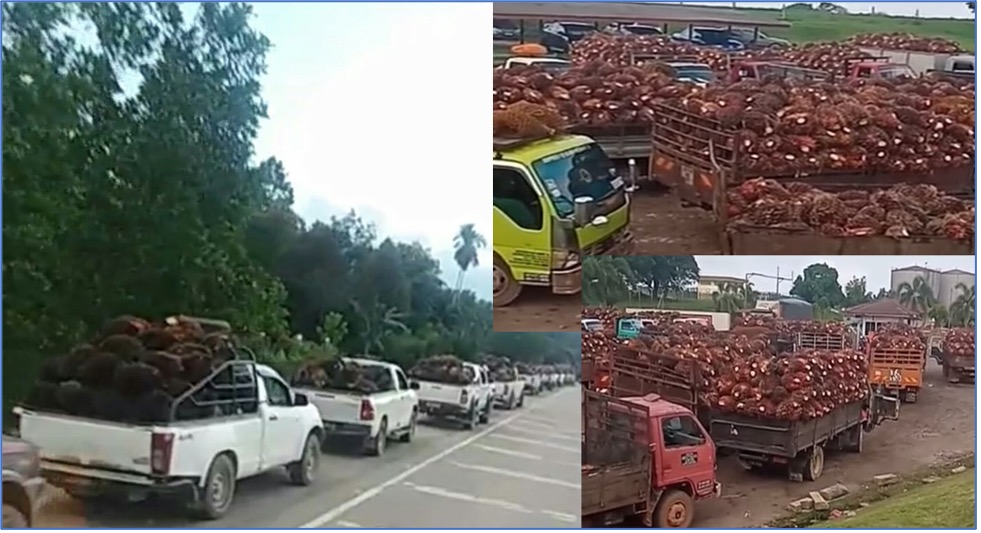 Figure 1: Congestions and extended delay due to un-coordinated supply chains during MCO.
Key takeaways
As stated by Lim, a collaborative shared economic platform will enable shared prosperity that derives from higher fruit and oil yields. However, this may not be possible without the long term soil remediation, precision agriculture IR 4.0 for Best Agriculture Practices (BAP) with the palm oil mill as the Circular and Shared Economy hub. The palm oil industry's strategic direction to take on the challenge and deploy SI activities containing the regenerative and restorative elements will have the impetus to address the ESG challenges effectively.
"It is imperative to recognise existing challenges with biomass waste and the need to optimise biomass waste valorisation. A circular and shared economic model with palm oil mills as a hub can be the foundation to set the pace for post-pandemic revitalisation and resilience infrastructure build-up for the rural communities that rely on palm oil cultivations as their livelihoods," he added.
This strategic sustainable development direction is a synergistic and progressive engagement with the global communities, forging a joint SDG mission between the pragmatic palm oil-producing countries and palm oil-consuming countries' moral obligations. Instead of adopting a confrontational approach in sustainability governance, an inclusive, collaborative common approach is imperative for a better world envisaged in the UN 2030 SDG.