
Exploring information technology: Building the future with computer science and software engineering
26 April 2025
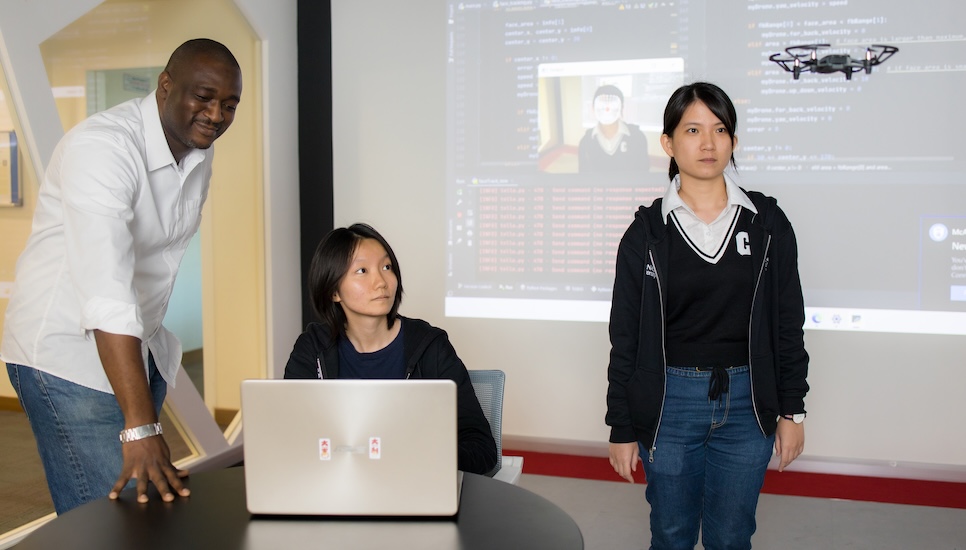
The rapidly evolving world depends heavily on information technology (IT) to shape economies and industries, transforming social structures globally. Developments in IT accelerate progress, reshaping the employment sector and our daily operations across all business domains. Companies across every industry rely on software systems, networks, and data analytics to optimise their operations, enhance decision-making, and identify new market opportunities. IT professionals play a crucial role in developing modern solutions that address global challenges, while also fostering environmentally conscious growth.
Success in this dynamic IT sector relies on professionals acquiring the right knowledge and skills as demand for technology continues to rise. Academic institutions play a crucial role in guiding students to become successful IT professionals by providing technical training and hands-on experience in this rapidly evolving field.
What is information technology?
Information Technology (IT) involves the systematic use of networks and systems, with applications that process, manage, store, and safeguard information. IT encompasses various activities, such as software development and maintenance, network design, database administration, and cybersecurity implementation. Organisations and individuals use IT systems to access and exchange data, enabling better decision-making, improved productivity, and enhanced innovation. The continuous evolution of IT drives digital business transformation across industries, playing a key role in addressing both basic needs and complex global challenges.
The Scope of IT across various sectors
Information Technology has an extensive reach, impacting nearly every sector of modern society. Industries leverage IT to enhance production processes, boost operational efficiency, and identify new opportunities for growth and innovation.
- Business: IT supports business operations, customer service, and strategy. ERP systems, CRM software, and e-commerce platforms automate processes, manage resources, and enhance market analysis. Digital marketing, driven by IT, enables businesses to reach a global audience through websites, social media, and online advertising.
- Healthcare: IT has revolutionised healthcare by enabling the exchange of patient data through electronic health records (EHR), improving medical diagnoses and treatment methods. The sector has become more accessible due to virtual consultation platforms, and IT also supports medical research, health-monitoring wearables, and AI-driven diagnostic tools.
- Education: Online learning and digital educational platforms have transformed modern classrooms. Platforms and apps provide flexible learning options, enabling teachers to create customised learning spaces using IT tools. These tools also help track student performance and create interactive educational content. IT allows students to connect with peers across different locations and continents.
- Government: ICT tools enhance public service delivery, transparency, and citizen engagement. IT systems support national security through surveillance and cybersecurity, while e-government initiatives streamline processes like tax payments and licensing. Data analytics helps policymakers make informed decisions based on factual evidence.
- Finance and Banking: The financial sector relies on IT for secure transactions and data protection. Online banking, mobile payments, and blockchain technology simplify financial operations. IT is also used in risk management, economic forecasting, and fraud detection.
- Entertainment and Media: IT has transformed entertainment through digital streaming, gaming, and social media platforms. Tools like CGI and animation software have revolutionised content creation, while data analytics predict audience preferences and trends.
- Manufacturing and Supply Chain: The Internet of Things (IoT) enables IT systems to automate smart manufacturing processes for real-time monitoring and equipment maintenance. IT systems also optimise supply chain management, including product tracking, delivery, and inventory management.
The growing demand for IT professionals
The IT sector is experiencing unprecedented growth due to rapid technological advances and the increasing adoption of digital solutions across industries. The growing technological demands have driven global businesses to recruit highly skilled IT professionals to work in fields such as data science, artificial intelligence, cybersecurity, and software engineering.
Global demand and trends
CompTIA forecasts that global IT spending will reach USD 5.75 trillion by 2025, marking a 9.3% increase from the previous year. This significant financial commitment underscores the crucial role of IT in driving innovation and supporting global business operations.
According to R&D World, data scientists are projected to see a 36% growth in demand through 2033, with a median pay of $108,020, while other roles such as computer and information research scientists (26% growth, $145,080), epidemiologists (19% growth, $81,390), and various analytical positions are also expected to grow.
Emerging fields in IT
The expansion of IT has given rise to several specialised fields experiencing rapid growth:
- Data Science: The growing reliance on data-driven decision-making has made data scientists highly valuable, particularly in sectors such as healthcare and business intelligence. The demand for professionals who can analyse complex data to guide strategic decisions is expected to grow substantially through 2025.
- Artificial Intelligence (AI): AI is rapidly transforming industries, and the demand for AI engineers is soaring. The global AI market is projected to grow by 35.9% from 2025 to 2030, creating millions of new jobs and driving innovations across various sectors.
- Cybersecurity: As cyber threats become more sophisticated, the need for cybersecurity experts continues to rise. Roles such as AI/ML Security Engineers and Cybersecurity Analysts are critical for safeguarding digital systems and data, making cybersecurity a top priority for organisations worldwide.
- Software Engineering: Despite the rise of AI tools, the demand for human software engineers remains strong. Software developers play an essential role in creating and maintaining applications that drive modern industries, and this demand is expected to persist as technology continues to evolve.
How IT drives innovation in computer science and software engineering
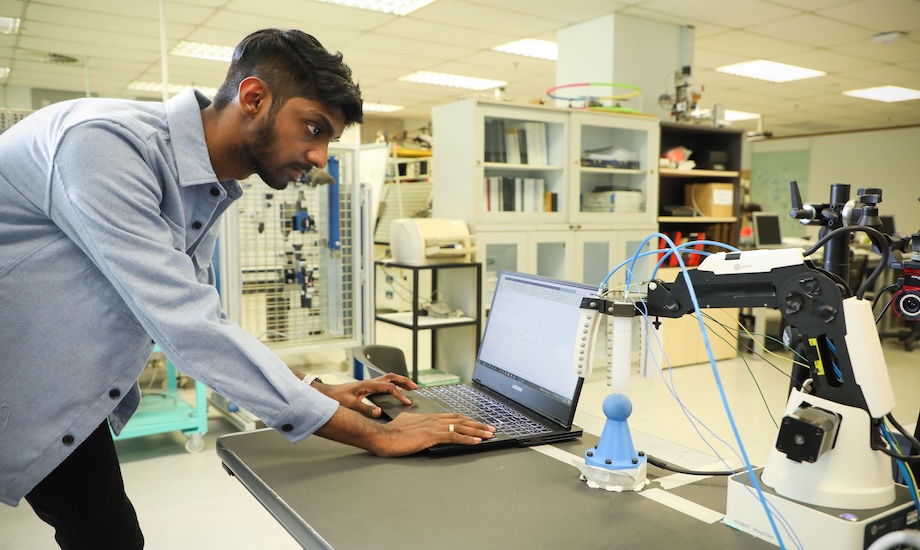
IT in computer science
Computer science thrives due to the advancements in IT, which have led to revolutionary breakthroughs. The core concepts in computer science closely align with IT fundamentals, including algorithms, data structures, programming languages, and software development methodologies. Computer science professionals rely on IT infrastructure to access tools and technologies that allow them to design, test, and deploy software solutions. The ability to process vast amounts of data, along with the capacity for storage and manipulation of large datasets, is crucial for solving complex problems and driving progress in fields such as artificial intelligence (AI), machine learning, and big data analytics.
Educational institutions offering computer science programs equip students with the necessary skills to succeed in this evolving field. These comprehensive curricula teach both the theoretical concepts of IT, such as computational theory and system design, as well as practical programming experience. Through practical projects and hands-on learning, students gain the skills needed to address real-world challenges and drive innovation in IT sectors, including AI, cybersecurity, and cloud computing.
IT in software engineering.
IT is an integral part of software engineering, providing the technological tools that support the creation and management of high-quality software systems. Software engineers use a variety of IT tools, including integrated development environments (IDEs), version control systems, and cloud-based platforms, to streamline the software development lifecycle. IT simplifies the automation of testing, deployment, and continuous integration, resulting in software systems that are efficient, reliable, and scalable.
Students studying software engineering learn all stages of the software development process, from needs assessment and system design to program writing and post-release support. These programs combine IT foundations with advanced tools, teaching students how to design, build, and implement secure, scalable, and efficient software applications. Graduates are trained to create software solutions that meet the business needs of industries such as finance, healthcare, and e-commerce while developing strong analytical skills.
Why choose our information technology-related programs?

Students at Monash University Malaysia have access to specialised programs that equip them with the essential skills needed to succeed in the rapidly evolving field of information technology. Graduates of these programs gain a solid foundation in computer science, modern data science methodologies, and advanced software engineering techniques, ensuring they are well-prepared for IT roles in the industry.
Bachelor of Computer Science
The Bachelor of Computer Science program at Monash University Malaysia provides students with a comprehensive understanding of the core principles driving modern computing. The program covers key areas such as:
- Programming: Students learn the fundamental programming languages and techniques necessary for developing software that solves real-world problems.
- Algorithms: This area teaches students how to design efficient solutions to complex computational problems.
- Systems Design: Students acquire the knowledge necessary to design robust, scalable, and secure systems, which are essential in today's digital landscape.
- Databases: Students develop expertise in the design, implementation, and management of databases, a critical component of many IT systems.
Bachelor of Computer Science in Data Science
Data Science is one of the most sought-after fields in IT, driven by the exponential growth of data and the increasing need for organisations to extract valuable insights from it. The Bachelor of Computer Science in Data Science program at Monash University Malaysia focuses on key areas such as:
- Data Analytics: Students learn how to process, analyse, and interpret large datasets to derive meaningful patterns and insights.
- Machine Learning: This area equips students with the skills to create models that learn from data, enabling automation and predictive analytics.
- Big Data Technologies: Students gain expertise in tools and platforms for handling massive datasets, including Hadoop, Spark, and NoSQL databases.
Bachelor of Computer Science (Honours)
The Bachelor of Computer Science (Honours) program at Monash University Malaysia provide students with additional academic rigour and research opportunities, enabling them to deepen their knowledge and expertise in Computer Science. The program includes:
- Research Opportunities: Students engage in research projects, exploring advanced topics and contributing to innovations in Computer Science.
- Academic Rigour: The Honours program enables students to study specialised subjects and undertake complex problem-solving tasks, preparing them for higher-level careers.
- Leadership Development: The advanced curriculum and research focus prepare students for leadership roles in the IT industry or academia.
Bachelor of Software Engineering (Honours)
The Bachelor of Software Engineering (Honours) program at Monash University Malaysia provides students with a strong foundation in software development while emphasising key areas such as:
- Software Design: Students learn how to design scalable, reliable, and maintainable software systems.
- Software Development: This area covers the entire software development lifecycle, from planning and coding to testing and deployment.
- Software Testing: Students gain hands-on experience testing software to ensure its functionality, security, and performance.
- Project Management: The programme teaches students how to manage software development projects, ensuring they are completed on time, within budget, and to the required standards.
The future of information technology: emerging trends and careers
Key IT trends to watch
- Cloud Computing: Cloud computing allows businesses to manage and process data remotely, offering flexibility and cost savings. The ongoing transition to cloud-based solutions is driving demand for professionals specialising in cloud engineering, cloud development, and cloud architecture.
- Artificial Intelligence (AI) and Machine Learning: AI and machine learning are driving innovation across various industries. Machine learning, powered by artificial intelligence (AI), enables devices to perform tasks that typically require human intelligence. This growth creates job opportunities for experts in AI technology, data science, and engineering.
- Blockchain Technology: Blockchain provides decentralised transaction logs, offering secure, transparent records. This technology is transforming sectors such as supply chains, healthcare, and voting systems. As blockchain adoption continues to grow, there is an increasing demand for blockchain developers and consultants.
- Internet of Things (IoT): IoT enables smart management of cities, homes, and businesses by facilitating data exchange between devices. The expansion of IoT technology is driving the need for engineers, network architects, and security experts to create secure communication systems for these devices.
Career Opportunities in Information Technology
- Software Developer: Designs, codes, and tests software applications to address specific problems or enhance user experiences. Software developers are crucial in every sector.
- Data Scientist: Analyses large datasets using statistical methods, machine learning, and data visualisation techniques to derive insights and solve business challenges.
- Systems Analyst: Designs and optimises IT systems, recommending solutions to improve efficiency and ensuring smooth integration.
- IT Consultant: Advises businesses on how to leverage technology to meet strategic goals, including implementing cloud solutions and enhancing cybersecurity.
- Cybersecurity Expert: Protects systems, networks, and data from cyber threats. This role is critical in safeguarding sensitive information across all industries.
- Cloud Engineer: Designs and manages cloud infrastructure to help businesses scale operations securely and efficiently.
- Blockchain Developer: Develops blockchain-based solutions for secure, decentralised systems. There is a growing demand for blockchain developers across various sectors.
- AI and Machine Learning Engineer: Builds intelligent systems that learn from data and make autonomous decisions. This role is particularly important in industries such as healthcare and finance.
Why Monash Malaysia's IT programs stand out
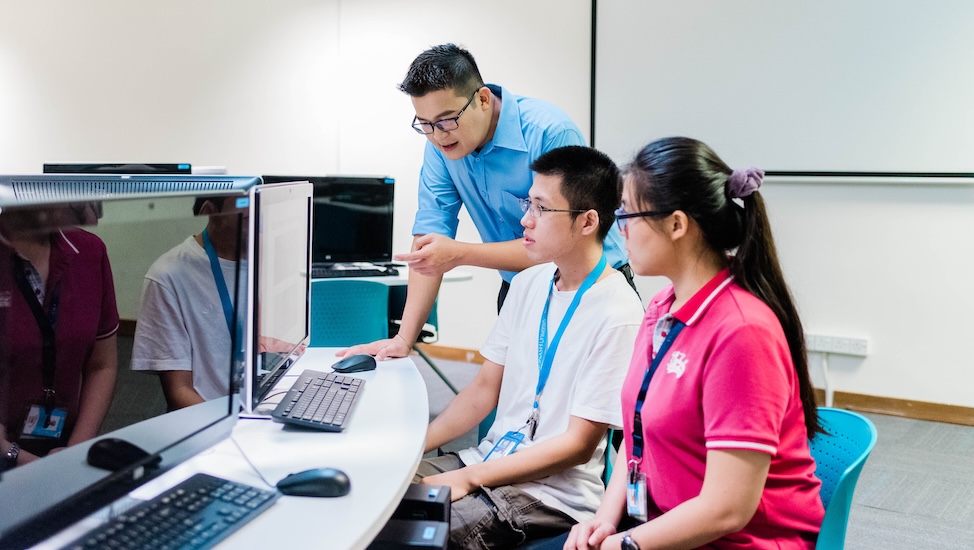
Monash University Malaysia’s IT programs stand out for our integration of cutting-edge technology, industry relevance, and practical experience. The university ensures that students are equipped with the skills and knowledge necessary to thrive in the ever-evolving IT landscape, providing a forward-thinking education that is grounded in real-world applications.
Industry-relevant curriculum
Monash Malaysia’s IT programs are designed to meet both the current and future needs of the IT industry. The curriculum blends theoretical knowledge with practical, hands-on experience, ensuring that students not only understand fundamental concepts but also learn how to apply them in real-world scenarios. The university collaborates closely with industry partners to ensure its programs stay aligned with the latest technological developments and trends.
This approach incorporates emerging technologies, such as artificial intelligence, machine learning, cloud computing, and data science, into the curriculum. Students are exposed to the latest tools, programming languages, and software platforms, ensuring they are well-prepared for the rapidly changing demands of the IT sector.
Monash Malaysia also places strong emphasis on practical experience through internships, project-based learning, and collaborations with tech companies. These initiatives allow students to work on real projects, gaining invaluable insights into how IT solutions are developed and implemented in professional settings. By engaging with industry partners, students benefit from networking opportunities, mentorship, and a clear understanding of the expectations and demands of the tech industry.
Experienced faculty and research opportunities
A key factor that makes Monash Malaysia’s IT programs stand out is its faculty. The university boasts a team of highly experienced academics and professionals with expertise in various areas of Information Technology. These faculty members bring both extensive academic qualifications and practical, industry-relevant experience to the classroom. Many are actively involved in cutting-edge research, ensuring that students learn from experts who are at the forefront of their fields.
Research opportunities at Monash Malaysia are abundant. Students in IT-related programs can engage in innovative research projects that push the boundaries of technology. Whether developing new algorithms, exploring the potential of blockchain, or investigating AI applications, students have access to research opportunities that allow them to contribute to advancements in the IT field.
In addition to research, students are encouraged to collaborate with faculty on interdisciplinary projects, further enhancing their learning experience. This exposure to research and innovation helps students develop critical thinking, problem-solving, and analytical skills—qualities essential in the ever-changing world of IT.
Conclusion: Your path to a career in information technology
Information Technology continues to revolutionise industries worldwide. From cloud computing and artificial intelligence to cybersecurity and blockchain, IT continues to revolutionise how businesses operate, communicate, and solve global challenges. As technology evolves, the demand for skilled IT professionals has never been higher, making IT a dynamic and rewarding career choice for those passionate about problem-solving and innovation.
Monash University Malaysia’s IT-related programs are designed to equip students with the knowledge, skills, and practical experience necessary to succeed in this rapidly changing field. With a curriculum that integrates cutting-edge technology, industry partnerships, hands-on learning opportunities, and expert faculty, Monash Malaysia ensures its graduates are well-prepared for diverse and exciting careers in the IT sector. Whether you're interested in computer science, data science, software engineering, or any other IT discipline, Monash Malaysia provides a solid foundation for your future.
If you're ready to embark on a rewarding career in Information Technology, we encourage you to explore the programs offered at Monash Malaysia. Begin your journey today and take the first step toward becoming a leader in the digital future.
Let's stay connected
Leave your contact details to receive our events and course updates.