
Mechanical engineering explained: Degrees, skills, and career opportunities
7 July 2025
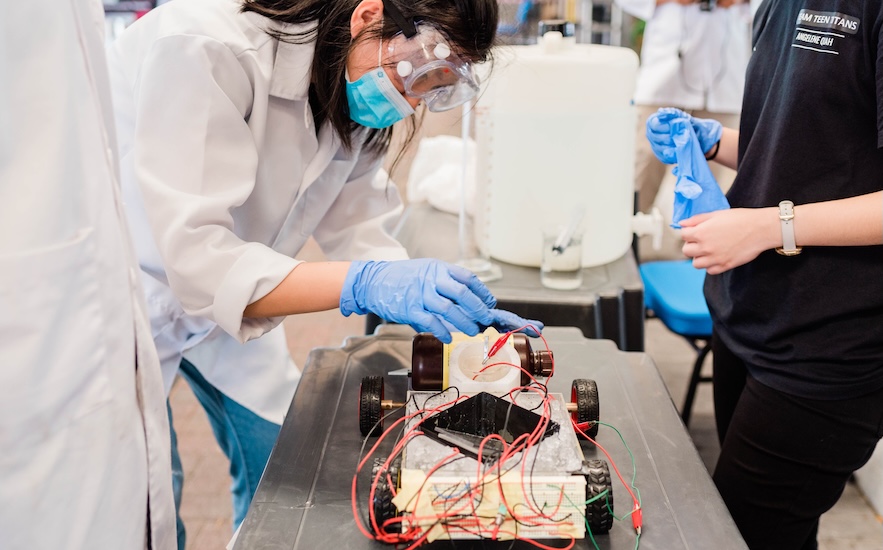
Mechanical engineering is one of the broadest and most versatile fields within the engineering discipline, blending principles of physics, mathematics, and material science to design, analyse, and manufacture mechanical systems. From designing cutting-edge machinery to developing sustainable energy solutions, mechanical engineers play a crucial role in shaping the modern world. This field is not only vital to industries like automotive, aerospace, and robotics, but also extends to healthcare, construction, and even entertainment. With the continuous advancement of technology, the demand for skilled mechanical engineers continues to grow, making it an exciting and rewarding career path. In this article, we will delve into what mechanical engineering entails, explore the degrees and skills required, and highlight the diverse career opportunities available for aspiring engineers.
What is mechanical engineering?
Mechanical engineering is the study and application of mechanical systems and devices. It involves the design, development, and testing of machines, tools, and engines to ensure their reliability and safety. This broad field impacts nearly every aspect of modern society, contributing to industries like automotive, aerospace, medical devices, and renewable energy. Mechanical engineers create solutions that power everything from vehicles to power plants, making them essential to technologies that move, heat, cool, or generate power.
The scope of mechanical engineering spans many areas, from the design and development of machines and equipment to understanding complex systems and improving manufacturing processes. This interdisciplinary field integrates knowledge of materials science, thermodynamics, fluid mechanics, and control systems, offering engineers the opportunity to work in diverse and ever-evolving sectors.
Key aspects of mechanical engineering
- Design: Mechanical engineers are involved in designing a vast array of products, from small parts like gears to large-scale systems like power plants. They use computer-aided design (CAD) software and other tools to create models, simulate performance, and optimise designs for functionality, safety, and efficiency.
- Analysis: Analysis is a critical part of mechanical engineering, ensuring that designs meet required standards and perform reliably. Engineers analyse materials, forces, heat transfer, and other factors to predict the behaviour of a system under various conditions. This ensures the system operates as intended, without failure or inefficiency.
- Manufacturing: Mechanical engineers play a key role in manufacturing processes, selecting appropriate materials and methods for producing mechanical systems. They design efficient manufacturing processes and oversee production to ensure the highest quality standards. Manufacturing expertise ensures that products are made on time, within budget, and with minimal waste.
- Maintenance: Once mechanical systems are designed and built, they require regular maintenance to ensure longevity and proper function. Mechanical engineers are responsible for creating maintenance schedules, troubleshooting failures, and improving system reliability over time. Maintenance can involve upgrading or redesigning components to improve performance or efficiency.
Importance of mechanical engineering
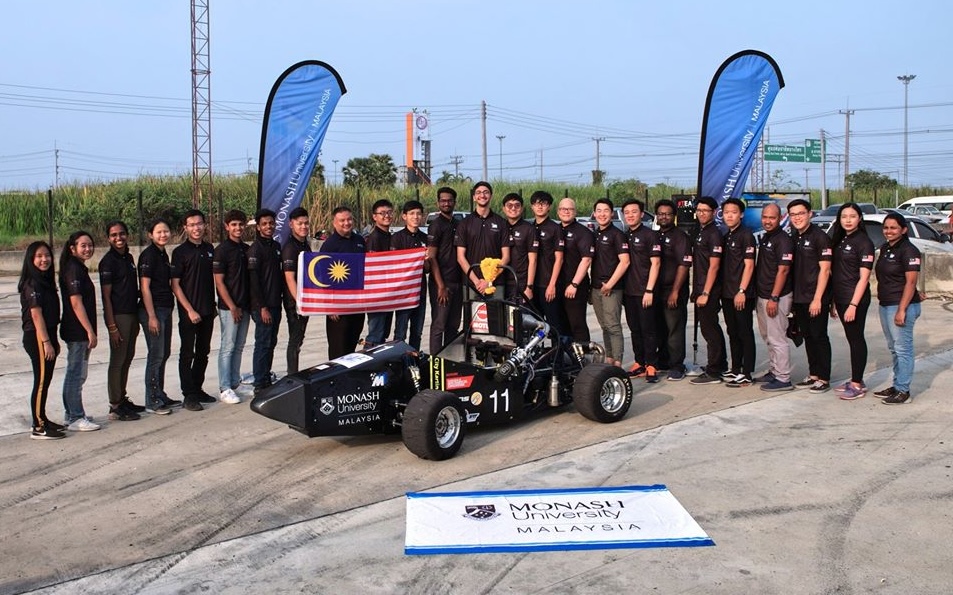
Mechanical engineering plays a central role in advancing technology and developing new solutions across various industries. As one of the oldest and most diverse branches of engineering, it is fundamental to the creation, improvement, and maintenance of the machines and systems that power the modern world. Its importance is not limited to product development but also extends to driving innovation, improving efficiency, and solving global challenges. Mechanical engineers are essential in shaping the future of industries, from transportation to healthcare, and beyond.
Role in various industries
- Automotive industry: In the automotive sector, mechanical engineers are responsible for designing, testing, and improving vehicles. They focus on optimising engine performance, enhancing safety features, improving fuel efficiency, and reducing emissions. As the industry shifts toward electric and autonomous vehicles, mechanical engineers are at the forefront of developing new technologies, such as electric drivetrains, battery systems, and advanced manufacturing techniques.
- Aerospace industry: Mechanical engineers in aerospace design and development of aircraft, spacecraft, and related systems. Their work involves ensuring the structural integrity, aerodynamics, and propulsion systems of these vehicles meet strict safety and performance standards. As commercial space exploration and air travel evolve, mechanical engineers are critical to advancing technologies like lightweight materials, propulsion efficiency, and space habitats.
- Energy sector: Mechanical engineers play a significant role in the energy sector, focusing on both traditional and renewable energy sources. From designing more efficient power plants and turbines to improving solar panels, wind turbines, and geothermal systems, mechanical engineers help optimise energy production and reduce environmental impact. Their innovations are vital for creating sustainable energy solutions to meet global demand.
- Robotics and automation: The robotics industry relies heavily on mechanical engineering principles to design and build machines that can perform tasks with precision and autonomy. Engineers work on everything from industrial robots used in manufacturing to cutting-edge medical robots performing surgeries. Mechanical engineers play a crucial role in designing systems that integrate mechanical, electrical, and software components, thereby enhancing automation efficiency and effectiveness across various sectors.
- Manufacturing and consumer goods: Mechanical engineers also play a key role in the manufacturing industry, where they design machinery and systems for producing goods. They work to improve product design and streamline production processes, reducing costs and improving product quality. From consumer electronics to household appliances, mechanical engineers are involved in making sure products are reliable, safe, and efficient.
Contribution to innovation and technological advancements
Mechanical engineering is a driving force behind many of the technological breakthroughs that have transformed society. From the early development of the steam engine to the advent of modern robotics, mechanical engineers have consistently pushed the boundaries of what is possible. Their work often leads to innovations that not only make existing systems more efficient but also open up entirely new fields of technology.
For example, advancements in materials science, such as the development of lightweight composites and 3D printing technologies, have revolutionised industries ranging from aerospace to healthcare. The integration of automation and artificial intelligence into mechanical systems has also led to smarter, more autonomous machines that can perform tasks without human intervention, further enhancing productivity and safety.
Mechanical engineers are also at the forefront of addressing global challenges like climate change and resource scarcity. They contribute to creating sustainable products, optimising energy use, and developing technologies that improve environmental conservation.
Types of mechanical engineering degrees
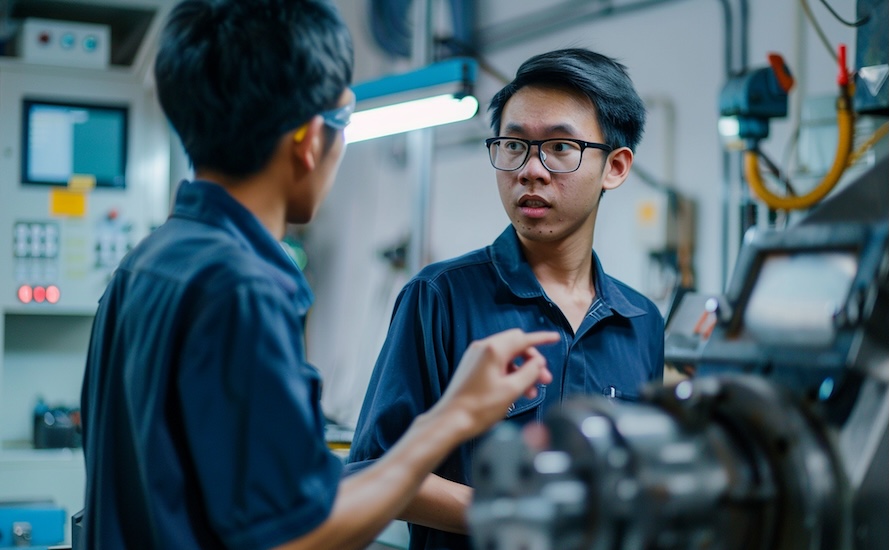
Mechanical engineering offers a variety of degree options that cater to different levels of expertise and career aspirations. These degrees provide a strong foundation in engineering principles while offering specialised knowledge in various areas of mechanical systems.
Bachelor’s degree in mechanical engineering (BEng/BSc)
The Bachelor’s degree in mechanical engineering is designed to provide students with a strong foundation in mathematics, physics, and engineering principles. Students learn the core aspects of mechanical systems, including design, analysis, manufacturing, and materials science. In addition to theoretical coursework, students gain practical experience through laboratory work, projects, and sometimes internships.
Core subjects and skills taught
- Statics and dynamics: Understanding the forces and motions that affect mechanical systems.
- Thermodynamics: The study of heat, energy, and their transformations in mechanical systems.
- Materials science: Learning about the properties of materials used in engineering applications.
- Fluid mechanics: The study of fluids (liquids and gases) and their behavior in motion.
- Mechanical design: Focus on designing and analysing mechanical components.
- Manufacturing processes: Understanding the various methods used to create mechanical systems and parts.
- Control systems: Learning how to design and implement systems that control mechanical systems.
Duration and typical entry requirements
The duration of a Bachelor’s degree in mechanical engineering is typically three to four years. Entry requirements usually include a strong background in mathematics and science, with prospective students needing to have completed high school courses in subjects like physics, chemistry, and calculus. Some universities require standardised test scores (such as SAT or A-levels) or entrance exams.
Master’s degree in mechanical engineering (MSc/MEng)
In a Master's program, students are given the chance to delve deeper into complex mechanical engineering topics that go beyond the scope of a Bachelor's degree. The coursework is more specialised and often includes advanced subjects such as computational mechanics, advanced thermodynamics, and fluid dynamics, alongside emerging fields like artificial intelligence in engineering and sustainable energy systems. Students gain a comprehensive understanding of how to tackle high-level engineering challenges, enabling them to develop innovative solutions to real-world problems.
Specialisations
A key feature of a Master’s degree in mechanical engineering is the opportunity for students to specialise in one or more subfields of the discipline. Specialisations allow students to focus on specific areas of interest and gain expertise in cutting-edge technologies. Some of the common specialisations within a Master’s program include:
- Robotics: This specialisation focuses on the design, construction, and operation of robots, blending mechanical engineering with electronics, computer science, and automation. Robotics students learn how to create intelligent machines capable of performing complex tasks, ranging from manufacturing robots to autonomous vehicles and surgical robots.
- Thermal systems: Students specialising in thermal systems focus on the study of heat, energy conversion, and thermodynamics. They explore areas such as renewable energy systems, heat exchangers, refrigeration systems, and power generation technologies. This specialisation is particularly relevant in industries that focus on energy efficiency and sustainable energy solutions.
- Materials science: The study of materials science in mechanical engineering involves understanding the properties, performance, and processing of materials. This specialisation helps engineers design components that are optimised for strength, weight, and durability, making it essential for industries like aerospace, automotive, and manufacturing. Students learn how to select and develop new materials to meet the demands of advanced technological applications.
- Manufacturing and production engineering: This specialisation focuses on the processes used to manufacture mechanical systems and components. Students learn about automation, robotics, and smart manufacturing techniques that improve the efficiency and precision of production systems.
- Control systems and mechatronics: This field combines mechanical engineering with electrical and software engineering to develop systems that can automatically control mechanical processes. Students specialise in designing systems for applications ranging from industrial automation to autonomous vehicles and smart devices.
Research and hands-on project opportunities
One of the most valuable aspects of a Master’s degree in mechanical engineering is the emphasis on research and hands-on projects. Throughout the program, students have the opportunity to engage in applied research, often in collaboration with faculty members or industry partners. These research opportunities allow students to tackle real-world engineering problems and contribute to the advancement of the field.
In addition to research, hands-on projects are a core part of the curriculum. Many programs incorporate laboratory work, design challenges, and industry-sponsored projects that give students practical experience in solving complex engineering problems. These projects help students develop their technical and project management skills, preparing them for leadership roles in the industry. Furthermore, many programs also provide internship opportunities, where students can apply their knowledge in a professional environment, gain industry exposure, and build their professional networks.
For those opting for a Master of Science (MSc) program, the thesis project offers the chance to conduct original research in a specialised area. This is an ideal opportunity for students considering a future in academia or research-intensive roles in the industry.
Doctorate in mechanical engineering (PhD)
A PhD in mechanical engineering is the highest academic qualification in the field, designed for individuals who are passionate about pushing the boundaries of knowledge through original research and technological innovation. This advanced degree is ideal for those looking to make significant contributions to the field of mechanical engineering, whether in academia, industry, or research institutions.
Focus on original research and innovation
The primary focus of a PhD in mechanical engineering is conducting original research. Unlike a Master's degree, which often combines coursework with research, a PhD program is centered around the development of new theories, technologies, or methods that advance the field of mechanical engineering. PhD students are expected to identify research gaps, formulate hypotheses, design experiments or simulations, and contribute new insights to areas such as robotics, materials science, thermodynamics, or fluid dynamics.
PhD research can take many forms, ranging from fundamental theoretical studies to applied, real-world challenges. This could include developing more efficient energy systems, designing advanced manufacturing techniques, or creating cutting-edge robotics technologies. PhD students often work closely with faculty mentors and industry experts to explore innovative solutions to complex engineering problems. The research may also involve collaboration with multidisciplinary teams, further enriching the learning and development process.
As part of the PhD journey, students must write and defend a dissertation that showcases their findings and contributions to the field. This dissertation is typically the culmination of several years of research and must demonstrate original thinking and substantial contributions to advancing knowledge in mechanical engineering.
Career prospects in academia and high-level industry roles
A PhD in mechanical engineering opens the door to a wide range of prestigious and high-level career opportunities in both academia and industry.
- Academic careers: One of the most common career paths for PhD graduates is academia. Many choose to become university professors or researchers, where they can continue their work in innovation while also teaching the next generation of engineers. Academics in mechanical engineering often engage in cutting-edge research and may be involved in publishing papers, writing books, and speaking at conferences. As a faculty member, PhD graduates have the opportunity to secure research grants and lead their own research teams, contributing significantly to advancing the field. Additionally, they may mentor graduate students and collaborate with other researchers on groundbreaking projects.
- High-level industry roles: PhD graduates are also in high demand within industries that require advanced technical expertise and innovative problem-solving skills. Companies in sectors like aerospace, automotive, energy, robotics, and manufacturing often seek PhD-level engineers to lead research and development (R&D) efforts. These roles might involve creating new technologies, improving existing products, or developing solutions to complex engineering challenges. In these high-level industry positions, PhD graduates often hold leadership roles in R&D teams, product development, and innovation strategy. They may also work as consultants or experts, providing guidance on cutting-edge technologies.
- Research institutions and think tanks: In addition to universities and private industry, PhD graduates in mechanical engineering may also work at government or private research institutions. These organisations often focus on long-term, high-impact research in areas like climate change, space exploration, and sustainable energy. PhD holders are critical in shaping national or global technological policies and advancing significant engineering breakthroughs that have a profound societal impact.
Career opportunities in mechanical engineering
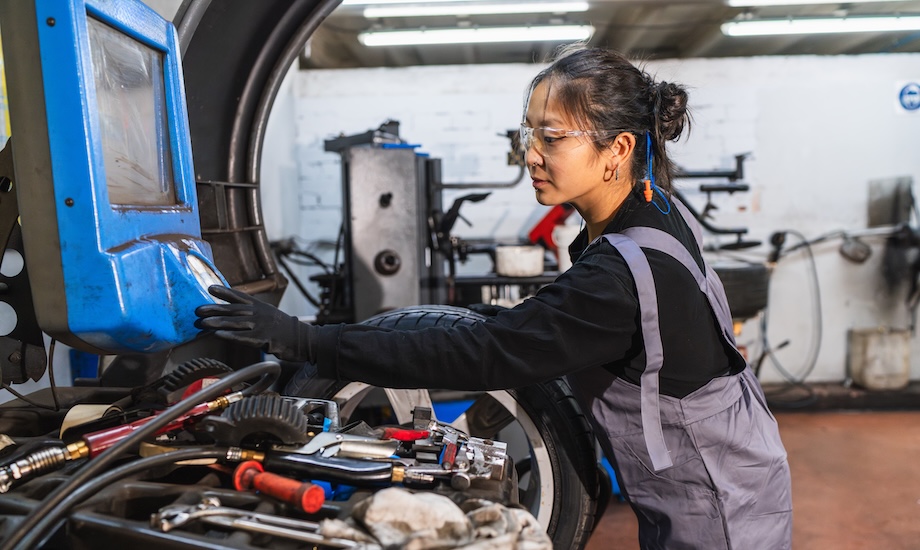
Industries hiring mechanical engineers
- Automotive: The automotive industry continues to be a significant employer for mechanical engineers. Mechanical engineers design and develop vehicle components, optimise fuel efficiency, enhance safety systems, and create new technologies, such as electric and autonomous vehicles. With the push for sustainable transportation solutions, there are growing opportunities for mechanical engineers in electric vehicle development and hybrid powertrain technologies.
- Aerospace: In aerospace, mechanical engineers are responsible for designing and testing aircraft, spacecraft, and related systems. They work on everything from propulsion systems and avionics to structural integrity and aerodynamics. With advancements in space exploration and the continued need for more efficient and safer aircraft, aerospace companies actively hire mechanical engineers for various roles.
- Energy: The energy sector is another key area where mechanical engineers are in high demand. Engineers in this field work on developing and optimising energy production systems, including power plants, renewable energy technologies (solar, wind, geothermal), and energy storage solutions. Mechanical engineers also play a critical role in improving the efficiency of existing systems and reducing environmental impact through sustainable energy solutions.
- Robotics: The robotics industry heavily relies on mechanical engineers for the design, construction, and maintenance of robots. Engineers in this sector work on designing mechanical systems that interact with electronic components and sensors, making robots capable of performing complex tasks autonomously. Robotics engineers are particularly sought after in industries like manufacturing, healthcare, and defence.
- Manufacturing: Mechanical engineers in manufacturing design and optimise processes to improve the production of goods. They are involved in creating efficient manufacturing systems, improving the quality of products, and reducing costs through automation and advanced technologies. Manufacturing engineers work across various sectors, from consumer goods to industrial equipment, and often focus on enhancing the overall efficiency of production lines.
- Other Industries: In addition to the sectors above, mechanical engineers can find roles in industries like construction, medical devices, electronics, defence, consumer products, and consulting. Their diverse skills make them adaptable to numerous sectors, including those focused on sustainability, artificial intelligence, and the Internet of Things (IoT).
Job roles
Career growth and salary potential
Mechanical engineering remains a dynamic and rewarding career path in Malaysia, offering competitive salaries and substantial opportunities for career advancement. The remuneration varies based on experience, specialisation, and industry sector.
Average salaries and career progression
- Entry-Level (0–2 years): Fresh graduates in mechanical engineering can expect to earn between RM3000 and RM5500 per month, depending on the industry and location. For instance, positions in Kuala Lumpur often offer higher starting salaries compared to other regions.
- Mid-Career (3–7 years): With several years of experience, mechanical engineers typically earn between RM6000 and RM10,000 per month. Specialisations in high-demand areas such as robotics or energy systems can command salaries at the higher end of this range.
- Senior-Level (8+ years): Experienced engineers in senior roles can earn between RM10,000 and RM15,000 per month, with potential for higher earnings in leadership positions or specialised fields.
Opportunities for specialisation and leadership roles
Mechanical engineers in Malaysia have various avenues for specialisation and career advancement:
- Specialisations: Areas such as robotics, thermal systems, and materials science are in high demand. Engineers who pursue these specialisations can enhance their expertise and increase their earning potential.
- Leadership roles: With experience, engineers can transition into roles such as Project Manager, Engineering Manager, or Director of Engineering. These positions often come with increased responsibilities and higher compensation.
- Academic and Research Opportunities: For those interested in research and development, pursuing advanced degrees can lead to roles in academia or specialised research institutions, contributing to innovation and technological advancements.
Choosing the right mechanical engineering degree

Accreditation and reputation
Accreditation is one of the most important factors when selecting a mechanical engineering degree. Accreditation ensures that the program meets rigorous academic standards set by professional bodies, such as the Board of Engineers Malaysia (BEM) or international organisations like the Accreditation Board for Engineering and Technology (ABET). Choosing an accredited program ensures that your degree is recognised both locally and internationally, which is crucial for your future employability and career progression.
Accreditation not only verifies the quality of the curriculum but also ensures that the program prepares students with the necessary skills to pass professional licensing exams, such as the Professional Engineer (PEng) certification in Malaysia. Graduating from an accredited program also opens up opportunities for further studies and can lead to smoother transitions into higher roles within industry sectors.
Monash University Malaysia offers an accredited Bachelor of Engineering (Honours) in Mechanical Engineering, recognised by the Board of Engineers Malaysia (BEM) and Engineers Australia (EA). This means that students who graduate from Monash’s program will be well-prepared to work in engineering roles both in Malaysia and globally. The program includes both theoretical and practical components, ensuring students gain the technical expertise needed to succeed in a wide range of industries. Additionally, Monash’s reputation for academic excellence provides graduates with a strong foundation to pursue leadership and specialised roles in mechanical engineering.
Specialisations
Mechanical engineering is an expansive field with numerous areas of specialisation. Choosing the right specialisation can significantly impact your career trajectory, and it’s important to select one that matches your interests, strengths, and career goals. Here are a few key factors to consider when choosing a specialisation:
- Personal interests and strengths: Consider which areas of mechanical engineering excite you the most. Are you fascinated by robotics, sustainable energy systems, or advanced materials? Identifying your interests will help you choose a specialisation that will keep you motivated throughout your studies and career.
- Industry demand: Some specialisations, such as robotics, thermal systems, and energy systems, are rapidly growing as industries evolve. Research industry trends and growth areas to ensure that your chosen specialisation will offer robust job opportunities in the future.
- Technological advancements: Fields like artificial intelligence and automation are revolutionising mechanical engineering. Specialising in emerging technologies such as mechatronics or additive manufacturing (3D printing) could open up exciting career prospects in cutting-edge industries.
- Career goals: If you aim for a career in a specific sector, such as aerospace, automotive, or renewable energy, consider a specialisation that aligns with that industry. For example, those interested in working on spacecraft and aviation systems might choose aerospace engineering, while individuals passionate about sustainability may pursue energy systems engineering.
- Hands-On Opportunities: Specialisations such as robotics, automated manufacturing, or mechatronics often require practical, hands-on learning. Look for programs that offer lab work, projects, internships, and opportunities for real-world application of engineering concepts.
The future of mechanical engineering
Emerging trends
- Renewable energy: As the world transitions toward greener, more sustainable energy solutions, mechanical engineers are at the forefront of developing and optimising renewable energy technologies. Engineers are working on improving the efficiency of solar panels, wind turbines, and hydroelectric systems, as well as exploring new avenues like geothermal and tidal energy. Mechanical engineers are instrumental in designing systems that harness natural resources while minimising environmental impact. The push for clean energy means that engineers specialising in energy systems or sustainable energy are in high demand.
- Artificial intelligence (AI) and automation: The rise of AI and automation technologies is transforming industries, and mechanical engineers are increasingly required to integrate these technologies into mechanical systems. AI-powered design tools can optimise product designs, while machine learning algorithms enable systems to adapt and improve over time. Automation and robotics are revolutionising manufacturing processes, with mechanical engineers leading the way in designing smart, autonomous machines that can operate efficiently and with minimal human intervention. Engineers working in mechatronics, robotics, and AI-integrated systems are helping to automate tasks in manufacturing, healthcare, transportation, and more.
- Sustainable design: Sustainable design is becoming a critical focus in mechanical engineering. The need to reduce waste, increase energy efficiency, and create long-lasting products has led to the rise of green engineering. Engineers are designing more efficient heating, ventilation, and air conditioning (HVAC) systems, optimising energy storage solutions, and developing products with eco-friendly materials. Mechanical engineers working in sustainable design focus on minimising environmental impact, whether through reducing carbon emissions, improving product lifecycles, or incorporating recyclable materials into designs.
Impact of technological advancements
- 3D printing (additive manufacturing): 3D printing has revolutionised the way products are designed and manufactured. Mechanical engineers can now create complex, custom parts with high precision using additive manufacturing processes. This technology allows for rapid prototyping, reducing the time and cost associated with traditional manufacturing methods. Engineers can experiment with more intricate designs, optimise geometries, and produce lighter, stronger parts. Industries like aerospace, healthcare, and automotive are benefiting greatly from this innovation, as it allows for cost-effective and on-demand production of components.
- Smart manufacturing: The concept of smart manufacturing integrates cutting-edge technologies such as the Internet of Things (IoT), big data, and AI to create highly efficient and adaptable manufacturing systems. Mechanical engineers play a crucial role in designing systems that collect and analyse data in real time, helping manufacturers make smarter decisions, improve productivity, and reduce waste. These technologies are being used to monitor equipment performance, predict maintenance needs, and optimise supply chains. As manufacturing becomes increasingly automated and interconnected, mechanical engineers will continue to drive these advancements in Industry 4.0.
- Advanced materials: The development of new, advanced materials is one of the most exciting areas of innovation in mechanical engineering. Materials such as carbon composites, graphene, and nano-materials are allowing engineers to design products that are lighter, stronger, and more durable than ever before. These materials have applications in industries like aerospace, automotive, and construction, where strength-to-weight ratios are crucial. Mechanical engineers working with these materials are pushing the boundaries of what is possible, creating more efficient and high-performance products.
How to apply for a mechanical engineering degree
Application process
Bachelor of Mechanical Engineering (Honours)
Entry requirements:
- Pre-university Qualifications: Completion of recognised pre-university programs such as GCE A Levels, STPM, or the Monash University Foundation Year (MUFY).
- English Language Proficiency: Minimum IELTS score of 6.0, with no individual band below 5.5.
Application materials:
- Certified copies of academic transcripts and certificates.
- Proof of English language proficiency.
- Passport-sized photograph.
- Completed application form.
Application Process:
- Online application: Submit your application through the Monash University Malaysia online portal.
- Document submission: Upload all required documents as per the application guidelines.
- Assessment: Your application will be assessed based on academic qualifications and English proficiency.
- Offer letter: If successful, you will receive an offer letter outlining the next steps.
- Acceptance: Accept the offer and complete the necessary formalities to enrol.
Master of Applied Engineering
Entry requirements:
- Academic qualifications: A bachelor's degree in engineering or a related field with a minimum Weighted Average Mark (WAM) of 60% or equivalent.
- English language proficiency: Minimum IELTS score of 6.5, with no individual band below 6.0.
Application Materials:
- Certified copies of academic transcripts and certificates.
- Proof of English language proficiency.
- Curriculum Vitae (CV) or resume.
- Statement of Purpose outlining your motivation and career goals.
- Two letters of recommendation.
Application Process:
- Online application: Complete the application through the Monash University Malaysia online portal.
- Document Submission: Upload all required documents as specified.
- Review: Your application will be reviewed by the admissions committee.
- Interview: An interview may be conducted to assess your suitability for the program.
- Offer Letter: Successful candidates will receive an offer letter.
- Acceptance: Accept the offer and complete the enrollment process.
Doctor of Philosophy (PhD) in Engineering
Entry requirements:
- Academic qualifications: A four-year bachelor's degree in engineering or a related field, or a master's degree that includes a research component.
- Research proposal: A well-defined research proposal aligned with the university's research strengths.
- English Language Proficiency: Minimum IELTS score of 6.5, with no individual band below 6.0.
Application materials:
- Certified copies of academic transcripts and certificates.
- Proof of English language proficiency.
- Curriculum Vitae (CV) or resume.
- Research proposal.
- Two letters of recommendation.
Application process:
- Identify supervisors: Research potential supervisors whose expertise aligns with your proposed research area
- Expression of interest (EOI): Submit an EOI to the relevant department, detailing your research interests and proposed supervisors
- Formal application: Upon acceptance of your EOI, complete the formal application through the Monash University Malaysia online portal.
- Interview: An interview may be conducted to assess your research capabilities and fit for the program.
- Offer letter: Successful candidates will receive an offer letter outlining the terms and conditions of admission.
Acceptance: Accept the offer and complete the necessary formalities to commence your PhD studies.
Financial aid and scholarships
Monash University Malaysia offers a range of scholarships and financial assistance options to support students pursuing mechanical engineering degrees.
Undergraduate scholarships:
- Monash University Malaysia scholarships: Merit-based scholarships for outstanding students.
- External Scholarships: Opportunities provided by government agencies and private organisations.
Postgraduate Scholarships:
- Research scholarships: Available for students undertaking research degrees, including PhD programs
- Industry sponsorships: Collaborations with industry partners offering financial support in exchange for research contributions.
Application for scholarships:
- Eligibility: Check the specific eligibility criteria for each scholarship.
- Application process: Submit scholarship applications alongside your course application or as per the scholarship guidelines.
- Deadlines: Be aware of application deadlines to ensure timely submission.
Conclusion
Mechanical engineering is a dynamic and versatile field, offering a wealth of opportunities for those passionate about innovation, problem-solving, and technology. Whether you're designing the next generation of robotics, working on renewable energy systems, or contributing to advancements in manufacturing, mechanical engineers are at the heart of creating solutions that shape our world.
As you explore the different educational pathways, from undergraduate to PhD programs, it’s essential to consider factors such as accreditation, specialisation, and the application process to ensure the program aligns with your career goals. Monash University Malaysia offers high-quality accredited degrees, with diverse specialisations and a focus on hands-on learning, making it an excellent choice for aspiring engineers.
Beyond the degree, the world of mechanical engineering is ripe with career prospects, from entry-level positions to leadership roles in cutting-edge industries. The field's continuous evolution, driven by emerging technologies like 3D printing, AI, and renewable energy solutions, ensures that mechanical engineers will continue to play a pivotal role in solving global challenges.
We encourage you to explore the wide range of educational options available and consider how each can help you achieve your unique career aspirations. Whether you're drawn to the practical aspects of engineering or the cutting-edge research opportunities, the future of mechanical engineering holds immense potential for innovation, growth, and impact.
Let's stay connected
Leave your contact details to receive our events and course updates.