
Digital marketing course in Malaysia: Career opportunities, skills, and benefits
25 April 2025

Marketing has evolved significantly since the days of print ads and television commercials. As technology advances, how companies interact with and reach their consumers has also transformed. In today's digital-first world, the shift from traditional methods to online marketing is not just a passing trend but a crucial development. Digital marketing offers innovative ways to engage with consumers, measure results, and drive business growth, making it a key component of almost every company strategy.
In Malaysia, digital platforms have opened up exciting opportunities for individuals and businesses. Understanding digital marketing has become essential; it is no longer an optional skill but necessary for anyone looking to succeed in the competitive job market. With an online presence being more important than ever, a digital marketing course provides the foundation you need to thrive in this dynamic field, whether your focus is social media, SEO, or content development.
What is digital marketing?
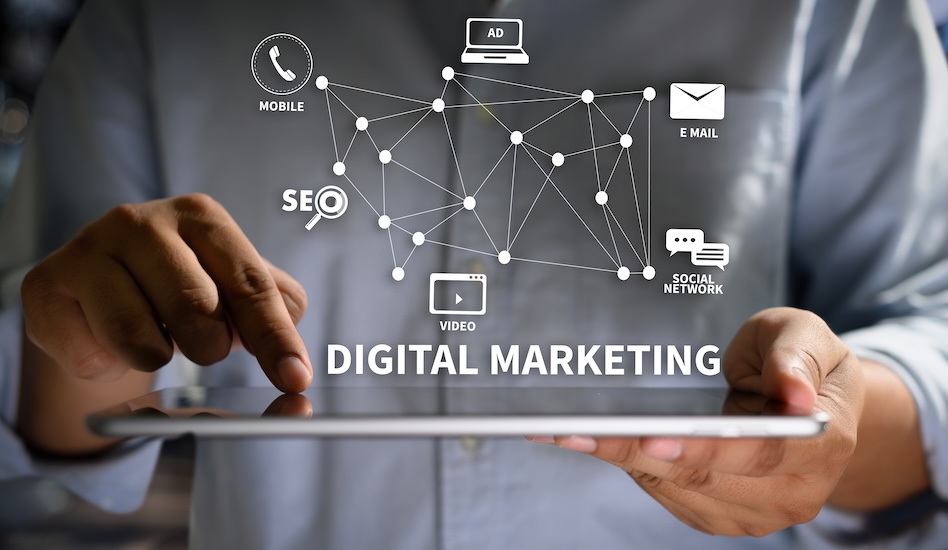
Digital marketing uses channels, platforms, and technologies to promote and advertise products or services. It encompasses various activities, including social media campaigns, email newsletters, and search engine marketing, all aimed at reaching an audience through various online means. As the world becomes increasingly digital, digital marketing has become essential for businesses to engage with customers, enhance their online presence, and grow their brands.
Key Components of Digital Marketing
- Search Engine Optimisation (SEO): SEO is optimising your website and content to rank higher on search engine results pages (SERPs) like Google. It involves keyword research, on-page SEO (e.g., meta tags, content optimisation), and off-page SEO (e.g., backlinks, social signals). The goal is to increase organic traffic to your website, making it easier for potential customers to find you. For example, a local bakery in Malaysia uses SEO to ensure their website ranks high when someone searches for "best cakes in Kuala Lumpur."
- Search Engine Marketing (SEM): SEM involves paid advertising on search engines like Google Ads. Unlike SEO, which focuses on organic traffic, SEM allows businesses to pay for visibility in search results. This method can be highly effective for gaining immediate visibility. For example, a digital marketing agency runs Google Ads for the keyword "affordable digital marketing services."
- Social Media Marketing: This form of marketing involves using platforms like Facebook, Instagram, LinkedIn, and Twitter to promote a brand. It includes organic posts, paid ads, influencer collaborations, and engaging with followers. Social media allows businesses to reach a large audience and build relationships with potential and existing customers. For instance, a clothing brand in Malaysia uses Instagram to showcase new arrivals and engage with followers through posts and stories.
- Content Marketing: Content marketing focuses on creating valuable, relevant content to attract and engage a target audience. This content can include blog posts, videos, infographics, eBooks, and more. The goal is to provide useful information that builds trust and encourages customer action. For example, a tech company creates informative blog posts and tutorials on using their products to attract potential customers.
- Email Marketing: Email marketing is one of the oldest yet still one of the most effective methods of reaching customers directly. It involves emailing targeted messages to potential or existing customers to promote products, services, or offers. Personalisation and segmentation are key to effective email marketing campaigns. For example, an online retailer sends personalised offers to customers based on their past purchases.
Different Marketing Channels
- Social Media: Social media platforms are powerful marketing tools for engaging with audiences, running paid ads, and building brand awareness. They offer targeting options based on user demographics, interests, and behaviours, making them highly effective for reaching specific audiences.
- Search Engines: Search engines like Google and Bing are crucial for businesses looking to drive organic or paid website traffic. SEO ensures your site is discoverable, while SEM can increase visibility through paid ads. Both play a vital role in search-based marketing strategies.
- Email: Email remains one of the top-performing channels for direct communication with customers. It is effective for nurturing relationships, informing customers about new products, sending promotions, and re-engaging those who haven’t interacted with your brand.
- Content Platforms (Blogs, Video, etc.): Platforms like blogs, YouTube, and podcasts are integral for delivering in-depth content that educates, entertains, and informs your audience. Content marketing helps establish authority in your industry and build trust with potential customers.
Integrating Multiple Platforms for an Effective Marketing Strategy
An effective digital marketing strategy often involves integrating multiple channels to create a seamless and unified customer experience. For example, a brand might use SEO to ensure its website ranks well, social media to drive traffic, content marketing to nurture leads, and email marketing to convert those leads into customers.
To create a well-integrated marketing strategy, businesses must ensure that messaging, branding, and targeting are consistent across platforms. For instance, a company running a promotion on Facebook should also have matching content on their website and email campaigns to reinforce the message and create a cohesive experience for the audience.
What is a digital marketing course?

A digital marketing course is designed to teach students the fundamental concepts, strategies, and tools necessary to succeed in the ever-evolving world of online marketing. These courses comprehensively understand various digital marketing channels, including search engines, social media, email, and content platforms. Through online modules, assignments, and real-world applications, students learn how to apply marketing techniques to promote businesses, build brand awareness, and increase sales across digital platforms.
Key learning areas in a digital marketing course
- Search Engine Optimisation (SEO): SEO is one of the most critical components of digital marketing. Students learn how to optimise a website to rank higher on search engine results pages (SERPs). This includes understanding keyword research, on-page optimisation, and off-page tactics like backlink building. Tools like Google Search Console and Moz are introduced to help students analyse and improve their SEO efforts.
- Search Engine Marketing (SEM): SEM focuses on paid search advertising, such as Google Ads. Students explore how to create, manage, and optimise pay-per-click (PPC) campaigns. They learn about bidding strategies, ad targeting, keyword selection, and tracking campaign performance using platforms like Google Ads and Bing Ads.
- Social Media Marketing: Social media platforms are powerful marketing tools for customer engagement. Students learn how to create effective strategies for platforms like Facebook, Instagram, Twitter, and LinkedIn in this area. They explore content creation, paid advertising options, influencer partnerships, and engagement strategies. Tools like Hootsuite, Buffer, and Sprout Social are commonly used to manage and schedule posts.
- Content Strategy: Content is the backbone of digital marketing. Students learn how to develop a content strategy that aligns with business goals and attracts target audiences. This includes creating blogs, videos, infographics, and other multimedia content. Students also learn how to tailor content for different platforms and optimise it for SEO. Tools like Surfer SEO and Grammarly are used in content planning and optimisation.
- Analytics and Data Analysis: Understanding analytics is crucial for measuring the success of digital marketing campaigns. Students are taught to use tools like Google Analytics to track website traffic, user behaviour, conversion rates, and other key metrics. Data analysis helps marketers refine their strategies and achieve better results. Key areas include setting goals, monitoring audience demographics, and analysing traffic sources.
- Email Marketing: Email marketing remains one of the most effective ways to reach and nurture customers. Students learn how to create email campaigns, segment mailing lists, and use email platforms like MailChimp or Constant Contact. They study best practices for personalisation, timing, and measuring email performance through open rates and click-through rates.
Benefits of a digital marketing course in Malaysia

Growing demand for digital marketers
Digital marketing is no longer just an optional skill; it’s a vital component of every business strategy. The demand for digital marketers in Malaysia is growing rapidly as businesses increasingly shift to online platforms. With the rise of e-commerce, social media, and digital advertising, companies seek professionals to help them navigate the online world. Whether it's optimising a website for search engines, running targeted social media ads, or analysing data, digital marketers are in high demand to drive business growth.
As businesses move away from traditional advertising methods and focus more on digital strategies, the opportunities for digital marketing professionals in Malaysia are expanding. This is the perfect time for students to gain expertise in this field, ensuring they are prepared for the evolving job market.
High job security and career growth
Digital marketing offers excellent job security. With the constant growth of digital platforms, even during economic downturns, businesses still need marketing professionals to maintain their online presence and attract customers. Unlike traditional roles that might face uncertainty during recessions, digital marketing positions remain essential for businesses aiming to survive and thrive in competitive online spaces.
Furthermore, digital marketing careers offer significant growth opportunities. As you gain experience, you can move into senior positions such as Digital Marketing Manager or lead marketing teams. With the flexibility of remote work options, freelance roles, and even international job prospects, digital marketing can be a recession-proof career choice for students looking to secure their future.
Attractive salary potential
The salary potential for digital marketers in Malaysia is highly attractive, with considerable room for growth as you gain experience. Here’s a breakdown of the average salaries at different career levels in digital marketing:
- Entry-Level: For new graduates or those with less than 1-2 years of experience, the salary typically starts at RM 3000 - RM 4500 monthly. This is a great starting point for students entering the field.
- Mid-Level: With 3-5 years of experience, digital marketers can expect salaries ranging from RM 5000 - RM 8000 per month. Professionals at this level may take on managerial roles or oversee larger campaigns and projects.
- Senior-Level: For those with over 5 years of experience, salaries can rise to RM 10,000 - RM 15,000 per month, especially for positions such as Digital Marketing Manager or Head of Digital Marketing.
Skills learned in a digital marketing course
Marketing analytics
A crucial skill in digital marketing is understanding how to measure and interpret campaign performance. Students learn to use tools like Google Analytics to track website traffic, user behaviour, and conversion rates. For example, they might analyse the results of a social media campaign and determine which content or platform is driving the most traffic, helping businesses allocate marketing resources more effectively.
Data analysis
Data is at the core of every successful digital marketing strategy. Students learn to collect, analyse, and use data to make informed decisions. For instance, they might analyse customer demographics from a Google Analytics dashboard to create targeted marketing campaigns that address the audience’s needs and interests.
Creative problem-solving
Digital marketing often requires creative problem-solving to overcome challenges. For example, suppose a business isn’t seeing the expected results from an ad campaign. In that case, students might suggest innovative ways to reframe the messaging, adjust the targeting parameters, or try different visual elements. Thinking outside the box is essential for adapting to evolving trends and addressing unforeseen obstacles.
Video marketing
With the rise of platforms like YouTube and TikTok, video marketing has become a key component of many digital marketing campaigns. Students learn to produce and edit videos that capture attention and drive engagement. For example, they could develop a short video ad for a fashion brand, showcasing new arrivals with dynamic visuals and a call to action encouraging viewers to visit the website.
Basic design skills
Knowing how to create simple designs can go a long way, especially when working with platforms like Canva or designing ads for social media. While you don’t need to be a graphic designer, understanding the basics of visual appeal will make your campaigns more engaging and effective. For example, creating eye-catching visuals for a social media campaign can significantly boost engagement.
Content creation
Creating engaging content is essential in digital marketing. Whether you are writing blog posts, designing social media posts, or shooting videos, knowing how to produce content that resonates with your audience is valuable. This is crucial for roles like content marketing manager or social media strategist. For instance, crafting an interesting blog post about a product or service can help generate organic traffic to a website.
Communication and social media proficiency
Strong communication skills are vital, especially for crafting compelling copy, writing emails, and interacting with audiences on social media. You're already ahead if you're familiar with platforms like Facebook, Instagram, or LinkedIn. These platforms are the backbone of digital marketing, and understanding how they work gives you a significant advantage.
Who should take a digital marketing course?
Students aspiring to a marketing career
A digital marketing course will equip you with essential skills if you're passionate about marketing and want to build a career in this field. Whether you dream of working with large corporations, creative agencies, or startups, the course will teach you the tools and strategies to succeed in any setting. It’s an ideal stepping stone for students looking to get their foot in the door of the digital marketing world.
Entrepreneurs and small business owners
If you want to start your own business, digital marketing knowledge is critical. It will allow you to market your product or service effectively online, whether it's through SEO, social media marketing, or email campaigns. The skills learned in this course will help you craft compelling marketing strategies that drive traffic and sales while staying within your budget.
Professionals interested in tech or business roles
Digital marketing is not just for marketers; it’s also valuable for anyone in business or tech who wants to understand how digital platforms work. Whether you’re looking to work in tech startups, e-commerce, or any other business-driven environment, knowing digital marketing can help you stand out and contribute to your company’s growth.
Job opportunities after completing a digital marketing course
Career paths in digital marketing
- SEO Specialist: An SEO Specialist optimises websites to improve their visibility in search engine results. This involves keyword research, on-page optimisation, link-building strategies, and continuous monitoring of website performance. Strong knowledge of SEO tools like Google Search Console and Moz, the ability to analyse data, and a deep understanding of search engine algorithms are key. For example, working for an e-commerce site to ensure product pages rank higher for relevant search terms, thus increasing organic traffic and sales.
- Social Media Manager: A Social Media Manager oversees a company’s social media strategy. They create content, manage posting schedules, engage with followers, and run paid ad campaigns. Creativity, strong communication skills, and proficiency with platforms like Instagram, Facebook, and LinkedIn are essential. Familiarity with tools like Hootsuite for scheduling and analytics is also a plus. For example, a social media manager manages a brand’s social media presence for product launches, promotions, or events while ensuring consistent and engaging content is delivered to the right audience.
- Content Creator: Content Creators produce content that informs, entertains, or educates the audience. This can include blog posts, videos, social media posts, infographics, and more. Strong writing or visual skills, creativity, and a good understanding of SEO are vital. For example, writing blog posts for a technology company, creating engaging videos for a startup, or producing social media content for a lifestyle brand.
- Digital Analyst: Digital Analysts collect and interpret data to optimise digital marketing campaigns. They use tools like Google Analytics to monitor website traffic, user behaviour, and campaign performance. Analytical thinking, proficiency in data visualisation tools, and experience in analytics platforms are crucial. For example, they analyse data from a paid campaign and use insights to optimise targeting and messaging, thus improving the return on investment (ROI).
- PPC Expert (Pay-Per-Click Expert): A PPC Expert manages paid digital advertising campaigns, typically through platforms like Google Ads. They monitor ad performance, adjust bidding strategies, and work to improve conversion rates. Knowledge of PPC platforms, conversion tracking, and strong analytical skills are essential. For example, running a Google Ads campaign for a local business, optimising ads based on click-through rates (CTR), and ensuring high conversion rates.
Freelance and remote work
One of the most attractive aspects of digital marketing is the ability to work remotely or freelance. As a freelancer, you can work with clients worldwide, allowing you to choose your projects and work from anywhere. Platforms like Upwork, Fiverr, and Freelancer.com provide a wide range of opportunities for digital marketers to connect with clients seeking specific skills. Freelancing offers flexibility and autonomy in your work schedule. You might work with several small businesses on branding and social media marketing or partner with larger corporations for more complex campaigns.
Remote work opportunities are also abundant, especially for roles like SEO Specialist, Content Creator, and Social Media Manager. This flexibility makes digital marketing a great career choice for those seeking to avoid the traditional office environment.
In-Demand Industries for digital marketers
- E-commerce: E-commerce businesses rely heavily on digital marketing to drive traffic and convert visitors into customers. SEO, SEM, email marketing, and social media strategies are key to driving sales and increasing brand awareness. For example, an online clothing retailer uses SEO to rank for specific product keywords, runs Facebook and Instagram ads to target shoppers, and utilises email marketing to encourage repeat purchases.
- Education: Educational institutions and online learning platforms rely on digital marketing to reach potential students. Social media marketing, content creation, and PPC are essential for promoting courses, webinars, and educational programs. For example, an online course provider uses PPC campaigns to drive traffic to its website, shares testimonials and course previews on social media, and creates blog content to inform potential students.
- Technology: Tech companies, especially those offering SaaS (Software as a Service) products, use digital marketing to promote their solutions. SEO, content marketing, and PPC are essential for customer acquisition and retention. For example, a SaaS company creates informative blog content, optimises it for search engines, runs targeted ads on Google, and uses email marketing to nurture leads into paying customers.
- Healthcare: Digital marketing in healthcare is growing as practices and hospitals use it to attract new patients, promote health services, and build trust. SEO, local search marketing, and content creation are key to reaching the right audience. For example, a local clinic uses SEO to rank for health-related terms, creates blog posts about common health conditions, and uses Google Ads to target individuals searching for medical services in their area.
Digital marketing at Monash University Malaysia

Monash University Malaysia offers a comprehensive and forward-thinking Bachelor of Digital Business program for students who want to gain the skills and knowledge necessary to excel in today’s rapidly evolving digital economy. This program provides a solid foundation in business principles, focusing on digital marketing, business technology, and the latest digital innovations shaping industries worldwide.
Course structure and key subjects
The Bachelor of Digital Business is a three-year undergraduate degree that covers a wide range of subjects, offering students a holistic understanding of business operations and digital strategies. Key subjects in the program include:
- Digital Business Strategy: This subject teaches students the strategic role of digital technologies in business models. They learn to apply digital tools and strategies to drive organisational growth and maintain a competitive edge.
- Marketing in the Digital Age: Students explore digital marketing methods like SEO, SEM, social media marketing, and content creation. This course offers practical knowledge on how to apply digital marketing tools to solve real-world business challenges.
- Data Analytics for Business: Focusing on the importance of data, this subject equips students with the skills to analyse digital data, interpret key metrics, and use insights to optimise marketing campaigns and business strategies.
- E-Commerce and Digital Platforms: This subject teaches students about digital sales channels and platforms, emphasising how businesses can leverage e-commerce to enhance customer engagement and increase sales.
- Business Technology and Innovation: Students learn about the latest technological innovations, such as cloud computing, artificial intelligence (AI), and blockchain, and how these technologies impact business operations.
Skills Developed
Throughout the course, students acquire theoretical and practical skills in digital marketing, e-commerce, business analytics, and digital business management. Key skills developed include:
- Digital Marketing Expertise: Students gain in-depth knowledge of SEO, SEM, and social media marketing strategies, learning to create campaigns that drive engagement and conversions.
- Analytical Thinking: With a strong emphasis on data analysis, students are trained to assess digital marketing performance, interpret data, and make data-driven decisions that improve business outcomes.
- E-Commerce Knowledge: Students learn to manage digital sales platforms, optimise user experiences, and develop strategies to enhance online sales performance.
- Tech-Savvy Business Acumen: The program teaches students how to use cutting-edge business technologies to improve operations and implement innovative solutions in digital business environments.
Why Choose Monash University Malaysia?
Monash University Malaysia offers a world-class education with a curriculum designed to keep pace with the latest trends and demands in the digital economy. The Bachelor of Digital Business program prepares students for successful careers by equipping them with a unique combination of business expertise and digital marketing skills.
The program also offers ample opportunities for real-world learning through industry placements, internships, and practical projects. Students benefit from Monash’s global reputation and extensive network, which opens doors to various career opportunities in digital marketing, e-commerce, and digital business management across multiple industries.
Conclusion
In today's fast-paced business environment, digital marketing has become a crucial skill for success. As businesses increasingly rely on online platforms, the demand for talented individuals who can navigate the digital landscape and drive growth through effective digital marketing strategies continues to rise. From SEO and social media to content creation, digital marketing offers businesses endless opportunities to engage with their audiences and achieve their goals.
Enrolling in a digital marketing course will give you the latest skills and tools to thrive in this dynamic field. The course will prepare you for a rewarding and versatile career, opening doors to various opportunities, whether you work for a global brand, start your own business, or pursue freelance opportunities. As digital marketing plays an ever-growing role across industries, the prospects for skilled professionals are abundant.
If you're ready to embark on your digital marketing journey, consider enrolling in the Bachelor of Business and Commerce or the Bachelor of Digital Media and Communication at Monash University Malaysia. This program offers comprehensive curricula that blend business acumen with digital media expertise, equipping you with the skills needed to succeed in digital marketing. Take the first step toward a bright future in digital marketing and begin your journey today!
Let's stay connected
Leave your contact details to receive our events and course updates.