
Top three emerging areas in biomedical science today
15 November 2022
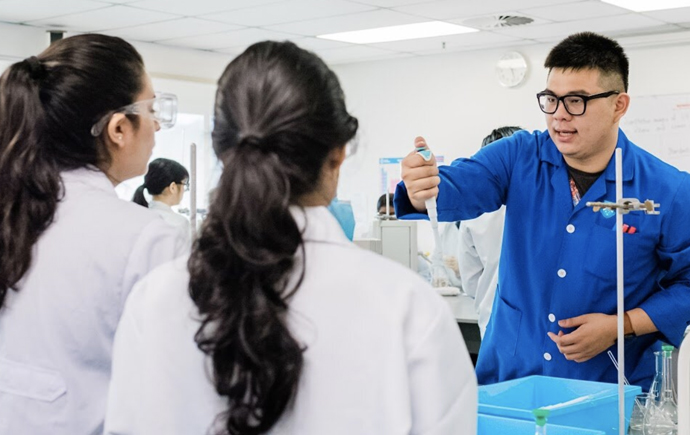
As Malaysia’s economy recovers from the COVID-19 pandemic, the importance of biomedical science has been highlighted in preventing and mitigating the severity of future pandemics.
In particular, a study published in Nature Climate Change found that 215 out of the 375 infectious diseases observed – or 58% – have been aggravated by climate change. This has sparked a need for more talented specialists to better prepare for and combat future pandemics.
Monash Malaysia offers many avenues that help prepare you to become highly employable across a variety of biomedical fields, as well as the skills necessary to establish a career in biomedical science.
Immunology
Our immune system is hard at work every hour of the day to keep foreign threats – including the likes of bacteria, viruses, fungi, and even cancerous cells – at bay. However, every person’s immune system has its limitations.
There are always diseases that our natural defences are unable to completely defend against, especially among those with weakened immune systems. For this reason, vaccines and other pharmaceutical products have been formulated to assist our bodies in combating severe illnesses.
As a medical bioscience student at Monash Malaysia, you will have the opportunity to explore the inner workings of immunology: the study of how our immune system functions. This will help you build a strong foundational knowledge needed to work in the development of new medicines and vaccines to suppress the effects of harmful diseases.
Immunology is made more attractive after the launch of the National Vaccine Development Roadmap (NVDR) – an initiative aiming to make Malaysia a key human vaccine producer within the next decade, which will provide Malaysians with fresh opportunities and new infrastructure for innovative developments in the pharmaceutical field.
Monash Malaysia offers several units covering distinct areas of immunology including Basic Immunology, Principles of Applied Immunology, and Clinical and research laboratory immunology.
Toxicology
Many key industries such as manufacturing, food production and regulation, and pharmaceutical development turn to toxicology to identify potentially harmful toxins and poisons that affect both environmental and human health.
In the protection of human health, toxicology enables researchers to examine which chemicals are appropriate for use while developing new drugs and therapies. It is also used in the calculation of optimal drug doses and determining an exact dosage that is suitable for human consumption.
Another common use of toxicology is identifying the effects of toxins upon human exposure and developing ways to avoid long-term exposure to toxic chemicals. This has a direct relation to the manufacturing industry which grew by 23.8% compared to the previous year and is valued at RM148.3 billion in 2022. This growth was led by the petroleum, chemical, rubber and plastic products, non-metallic mineral products, basic metal and fabricated metal sub-sectors that regularly deal with a long list of dangerous chemicals.
Toxicologists are essential in regulating the processes in industrial production to ensure that human workers are as safe as possible while on the job and continue to be drivers of our economy.
Units offered at Monash Malaysia such as Fundamentals of toxicology and Toxicology and advanced pharmacology guide you towards critically evaluating the harmful effects of various chemicals, metals, and radioactive substances.
Stem cell research
Stem cells can be described as our body’s raw materials and are able to develop into other specialised functions in the body, such as blood cells, bone cells, and heart muscle cells. They are highly adaptable in a way that is unseen in any other cell in the body.
As a result, stem cell transplants are a significant field of bioscientific study that has garnered a lot of interest by medical professionals. It is a key player in the battle against cancer, being heavily used to replace damaged cells following chemotherapy.
Malaysia is home to various stem cell banks that are used to replace damaged cells following chemotherapy or other diseases, and as treatment against certain blood-related diseases, such as leukaemia, lymphoma, and neuroblastoma.
Monash Malaysia offers units such as Stem cells and the foundations of life where you can gain practical laboratory skills and deeper insight into methodologies behind current and potential future uses of stem cell therapies.
Monash’s Malaysia’s Bachelor of Medical Bioscience serves as a gateway towards entering these three increasingly popular medical fields and more.
Kickstart your biomedical science career here and learn more about Monash’s courses.
References: https://www.gavi.org/vaccineswork/over-half-infectious-diseases-made-worse-climate-change