
The hidden road to recovery post traumatic brain injury
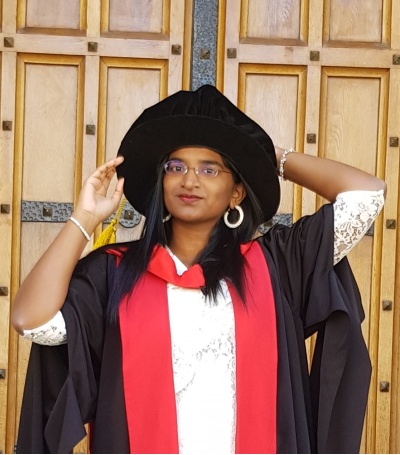
Written by Dr Alina Arulsamy, Jeffrey Cheah School of Medicine and Health Sciences
Traumatic brain injury (TBI) is a 'silent pandemic' as it affects nearly 74 million people globally every year. TBI has a high mortality and morbidity rate, drastically reducing the quality of life of those inflicted. Any external force to the head that causes an injury to the brain is TBI, and this may even include a forceful hit to the body, causing the head and brain to move back and forth rapidly.
Previously, TBI was a single event. However, researchers soon started noticing a strong link between various neurological disorders such as cognitive dysfunction, neuropsychiatric disorders, epilepsy, and even neurodegeneration, with a history of TBI. This strong link suggested that TBI may be an ongoing disorder with underlying secondary pathology that may lead to long-term neurological outcomes, at times not presenting itself till years later. Nevertheless, there is still no viable treatment that may sever the link between TBI and the possible development of long-term deficits post-injury.
TBI was the top three most common admissions in intensive care units in Malaysia, yet TBI awareness and research may still not be up to par. Thus, Dr Alina, who completed her PhD in TBI research at the University of Adelaide, Australia, has decided to ramp up the basic and clinical TBI research in Malaysia.
Dr Alina is particularly interested in understanding the time-dependent underlying linking pathology between TBI and various neurological disorders to find the perfect therapeutic window for TBI intervention. She also intends to spread TBI awareness within the Malaysian population to curb any stigma or ignorance against TBI rehabilitation. She has already received a couple of grants from Monash University Malaysia supporting these preliminary works, investigating the pathology link between TBI, PTE, and the gut microbiome that she hopes to complete by 2023.