
Host's responses to viruses for therapeutic intervention
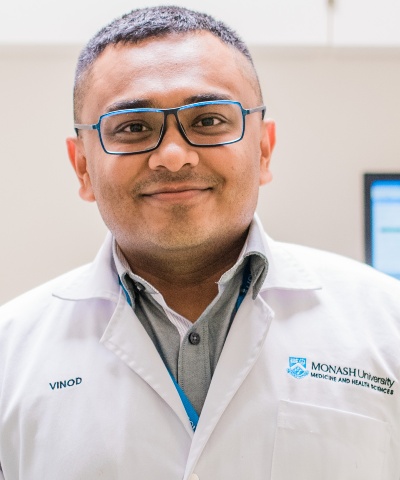
Written by Dr Vinod Balasubramaniam, Jeffrey Cheah School of Medicine & Health Sciences
Host cellular machinery plays a vital role in the survival of viruses. Complex host-virus interactions determine the infection outcome with many altered transcriptional and translational rates and functional kinetics of participating genes. To date, information on the molecular changes in the host induced by the virus to promote its replication and the pathways triggered in the host that result in immunity and/or clearance of the viral infection are still lacking.
Malaysia remains a "hotbed' for various viruses, especially Flaviviruses which can cause a full-blown epidemic, as demonstrated by the worldwide spread of the Zika virus. We plan to focus on host defines mechanisms and host proteins that are vital for these viruses and target them instead. Our goal is to develop therapeutics targeting the host proteins to inhibit or abolish virus replication in cells. We discovered a unique host protein Neuropilin 2 (NRP2), that strongly binds to the viral E protein through our extensive interactomics studies of Chikungunya virus (CHIKV) proteins with human host proteins.
Mosquito-borne Flaviviruses, including dengue virus (DENV) and Zika virus (ZIKV), are a growing public health concern worldwide and in Malaysia. Establishing a research "niche" involving cross-talks between different "Omics" to understand better the fundamental strategy used by these viruses to replicate and overcome the host defence mechanism is vital.
We use cutting-edge technologies such as whole-genome interactomics, Infectomics and CRISPR based tools to decipher complex interactions between host and pathogens (viruses). We believe that our method is innovative and, combined with existing drugs/compounds, will yield even better results.
We believe that this preliminary project will lead to something bigger, especially in developing a novel treatment against Chikungunya and amelioration from the severe inflammation caused by this virus. We plan to apply for a bigger grant from this project's results and move on to animal studies.
Our inquest in deciphering host factors (proteins) which can be used as a therapeutic target either by small molecules or natural compounds, is an ongoing process. We aim to finish the first part of our work (in-vitro) by the end of 2021 and move into animal study feasibility by 2022. This is, of course, referring to the "Anti-NRP2 monoclonal antibody-based therapeutics against Chikungunya virus (CHIKV)".
One of our main stakeholders is the Ministry of Science and Technology (MOSTI). Our research is in sync with one of six strategic thrusts of the Eleventh Malaysia Plan. In Malaysia, the resurgence of CHIKV in 2006 (in rural areas) and 2008 (in urban areas) was alarming. This virus might be silently expanding its geographical distribution after the outbreaks, changing its virus genotypes or phenotypes, and the infection's epidemiology.
Monash University Malaysia has been the pillar of our success in infectious diseases. In recent years, the university and Jeffrey Cheah School of Medicine and Health Sciences have been investing heavily in research. Facilities such as the imaging core located in the Brain Research Institute at Monash Malaysia (BRIMS) and LC-MS/MS Laboratory and the seed and strategic grants have contributed to our research progress.
My online interviews with BERNAMA TV on COVID-19 related topics:
17 February 2021 - "Vaccine Effectiveness" begins at 3.26
25 February 2021 - "Malaysia National Immunisation Plan (NIP)" begins at 8.44