
A game-changer for climate-resilient infrastructure
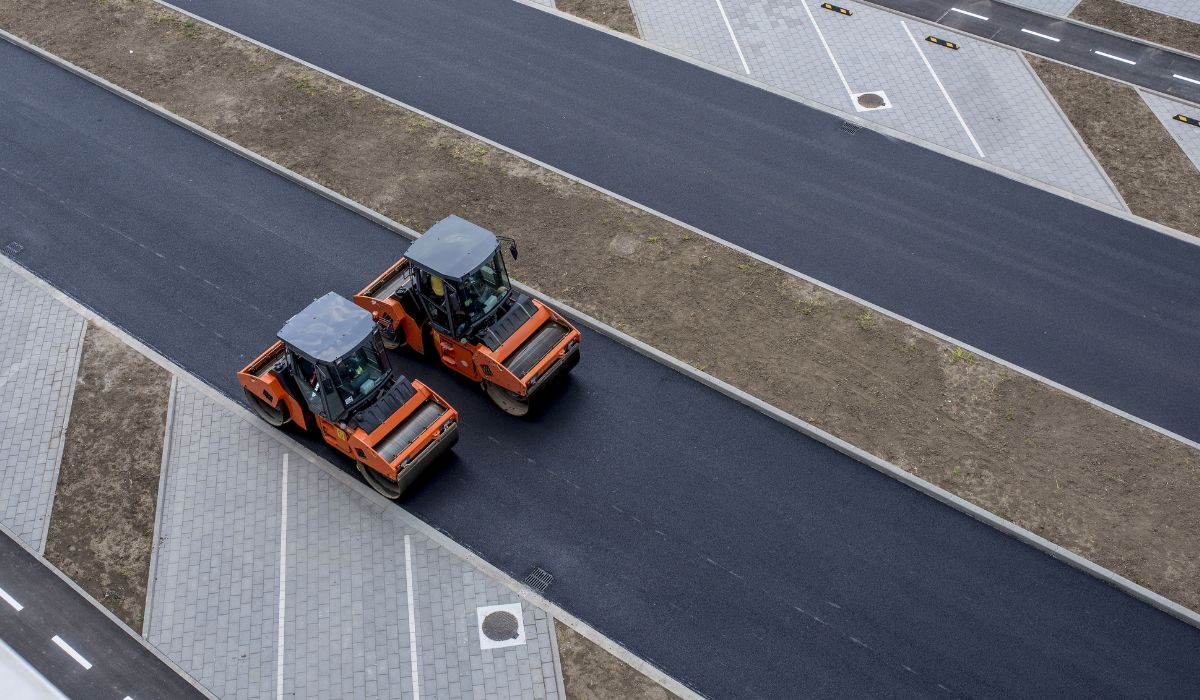
Rising temperatures are putting roads, pavements and underground structures under increasing susceptibility to damage. But what if we could control the heat from causing so much damage? Associate Professor M. E. Raghunandan and his team at Monash University Malaysia are working hard to develop a promising solution—the Smart Soil Moisture Management System for Road Pavements. This innovative approach uses sensor technology to monitor soil temperatures, protecting vital infrastructure from premature deterioration.
How It Works
The system is built around a network of temperature sensors buried within the soil. These sensors track heat movement and communicate with an Arduino UNO setup (in the current model, but can be improved appropriately) to monitor subsurface temperatures in real-time. “Once the soil gets hot, water is circulated through a wicked drain (geotextile) system, cooling it down and preventing potential heat-related damage,” explains Associate Professor Raghunandan.
This system reduces thermal stress on roads and underground infrastructure by lowering soil temperatures, as observed in the prototype and extending their lifespan. Importantly, this process takes place without disrupting the soil’s mechanical stability, ensuring that the soil structure is not significantly altered even under extreme conditions.
Most of the current soil cooling systems at the research typically rely on altering the pavement system using passive and/or active strategies. Some of the passive strategies include alternating existing pavement design, such as surface albedo and porosity, while the well-known active strategies focus on laying long and convoluted tubing within the pavement and circulating cooling fluids within the system. However, these methods tend to be more applicable to roads with lower traffic volume, as they can be delicate and require relatively higher construction and maintenance costs.
“Our system is also one of the active strategies, using wicking type geotextile to circulate water within the pavement subbase. Geotextiles are known for their performance in soil reinforcement and are an excellent alternative to pipes, reducing the cost of construction and maintenance while achieving equivalent or better results than existing active cooling systems within the pavement,” stated Dr Raghunandan.
One of the biggest challenges in implementing this technology is that different soils behave differently when exposed to heat and moisture. Each type requires a customised approach to ensure the system works effectively. For a recent exhibition, the research team tailored the setup for a sand-kaolin soil mixture. The results were encouraging, successfully reducing soil temperatures while maintaining its structural integrity.
“The soil type and its Thermo-Hydro-Mechanical (THM) behaviour plays an essential role. The thermal behaviour of soil is typically governed by soil moisture. As our prototype uses water as a natural coolant, the ability of soil to absorb moisture and its effect on the strength of soil should also be considered. Thus, understanding the soil’s thermal behaviour is crucial in calibrating the system,” Dr Raghunandan added.
The researchers plan to refine the system further, testing it in various soil types and climate conditions. “Scaling up this technology and integrating IoT for better data collection will be key to making it even more effective,” Raghunandan adds.
One of the major obstacles the research team is facing in scaling up this system for real-world applications is the access to field scenarios. Although their test under controlled laboratory conditions has shown preliminary success, the team is researching further to simulate real-life pavement and traffic conditions to ensure the reliability and performance of the system.
“We are looking forward to collaborating with local authorities and other relevant stakeholders to scale up the system and assess its suitability in the field. If successful, the research idea can reduce the road's thermal stress and extend the existing infrastructure's life cycle. Another operational issue is the cost and economic viability of the upscaling. Implementing such a system in the real world would require a higher capacity for water pumping and a water distribution system, aided by an elaborate system of wicked drains and prefabricated or sand drains. These would require substantial resources and compliance with existing regulations, which is a major hurdle for upscaling, to the best of our understanding,” Dr Raghunandan shared.
This research ties directly into the United Nations’ Sustainable Development Goal (SDG) 9 (Industry, Innovation, and Infrastructure), which pushes for resilient and sustainable infrastructure. By helping roads and underground structures withstand extreme heat, the Smart Soil Moisture Management System could drastically cut maintenance costs and prevent costly infrastructure failures.
The system also aligns with SDG 11 (Sustainable Cities and Communities) by ensuring urban areas remain livable and sustainable. As cities grow and the climate changes, keeping infrastructure stable and durable is more important than ever. Innovations like this one can be critical to ensure our roads, pavements, and underground networks stand the test of time.
This research is still in its preliminary stages, requiring upscaling and the proof of concept at the field scale and scenario. Therefore, further research and development in collaboration with key stakeholders, such as Lembaga Lebuhraya Malaysia (Malaysian Highway Authority), will help the research team to further refine and optimise the system for better application to local soil and scenarios.
If developed on a larger scale following further research, this system could transform how cities manage infrastructure in hot climates. Roads, bridges, and underground networks could be safeguarded against heat-induced damage, making cities more resilient and reducing the need for frequent, costly repairs.
Monash University Malaysia has been instrumental in advancing this research, providing a dynamic environment where innovation in climate-resilient infrastructure can thrive. Its state-of-the-art facilities serve as a vital foundation for developing the Smart Soil Moisture Management System, supporting cutting-edge research and technological breakthroughs.
The university’s vision and initial seed funding have played a pivotal role in bringing this initiative to life. Addressing the challenges of climate adaptation in urban areas aligns with the Monash Impact 2030 strategic plan, reinforcing the university’s commitment to sustainable solutions. Furthermore, Monash University Malaysia fosters ideas that may not yet have gained industry traction, enabling researchers to push the boundaries of innovation while tackling urgent real-world issues.
With global temperatures on the rise, finding smarter ways to protect our infrastructure is more urgent than ever. The Smart Soil Moisture Management System offers a practical, technology-driven approach to cooling soil and reducing damage. As research continues, the hope is that this system will become a widely adopted solution for creating stronger, longer-lasting roads and cities.
Collaborate to Build Climate-Resilient Infrastructure
Scaling up this research requires collaboration across multiple disciplines, including policy expertise, technical field experience, and funding support. Dr Raghunandan and his team are keen to work with local authorities, industry partners, and researchers to refine and implement the Smart Soil Moisture Management System on a larger scale.
"We welcome partnerships with those who can contribute insights into policy frameworks, field implementation, and the financial backing needed to take this technology from the lab to real-world applications," Dr Raghunandan says.
Organisations interested in collaborating can reach out to explore potential partnerships and contribute to shaping the future of climate-resilient infrastructure.