
Understanding the "magic bullets" of weedy rice invasions in Southeast Asian paddy fields
13 March 2024
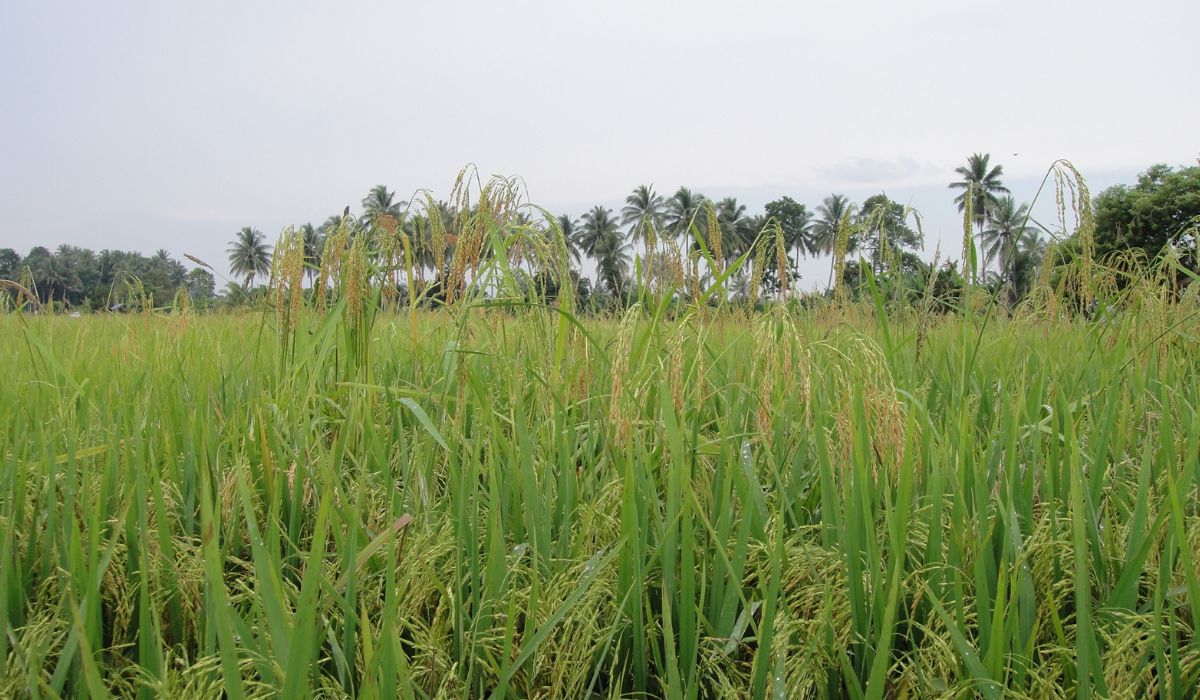 Overgrown weedy rice towering above cultivated rice in Malaysian fields. (Photo: BK Song)
Agricultural weeds have long been a formidable adversary in paddy fields worldwide, vying for resources with crops and diminishing agricultural yields. Among the pressing research inquiries globally is the quest to unravel the evolutionary mechanisms that fuel the emergence and proliferation of these weeds.
In a new study published in the February issue of Nature Communications, researchers shed light on the infiltration of a particularly aggressive weed into paddy fields across Southeast Asia (SEA), notably in Malaysia and Thailand. This aggressive weed, dubbed "padi angin" by local farmers in Malaysia and "khao wạchphụ̄ch" in Thailand, is an annoying weedy relative of domesticated rice (Oryza sativa).
Once infested by weedy rice, the fields will experience severe losses, primarily due to the weed's seed-shattering characteristics. It is poor-tasting, and the grains of weedy rice cannot be easily harvested. In Peninsular Malaysia alone, weedy rice has become a major problem in the last three decades, with crop losses expected to exceed more than RM90 million per season.
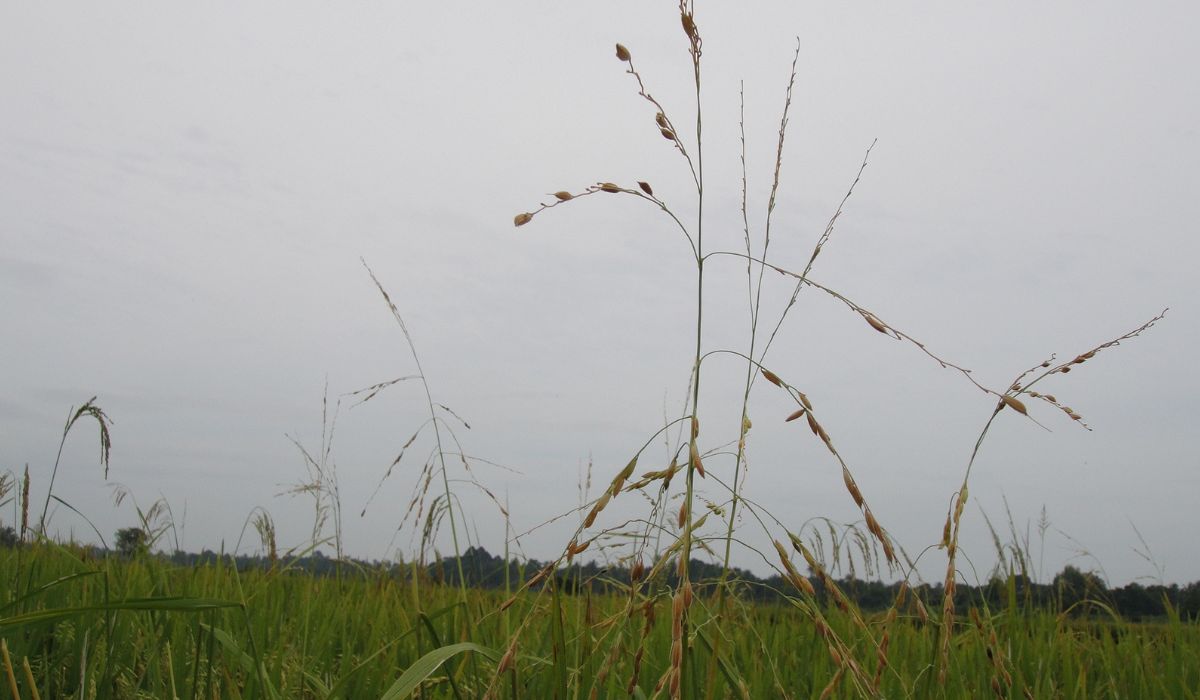
Easy shattering trait of weedy rice could be a result of crossing and hybridization between cultivated and wild rice. (Photo: BK Song)
"When the 'angin' (the Malay word for wind) blows, imagine the seeds dropping, hence the local name 'padi angin' ," said Associate Professor Song Beng Kah from the School of Science at Monash University Malaysia and corresponding author of the new study. "How these weeds evolved into easily shattering rice types is among the interests of plant geneticists worldwide," Song added.
Sharing the same interest in weedy rice evolution, Song and biologist Kenneth Olsen of Washington University in St. Louis began collaborating some ten years ago to research weedy rice from SEA, along with other scientists from China and Thailand. Using whole genome sequences comprising weedy rice from Malaysia, Thailand and other parts of the world, the team delved deeper into the evolution stories of weedy rice in SEA.
The researchers report that while most weedy rice is genetically similar to domesticated rice, some types received "magic bullets" from common wild rice, Oryza rufipogon, which grows nearby, enabling them to survive and spread in paddy fields. "These magic bullets include wild genes contributing to grain shattering, black grain colour, grain awn and persistent seed dormancy," Song explained. "All these wild genes' flow' into the domesticated or weedy rice population through natural crossbreeding, making the weedy rice adapted to agricultural fields."
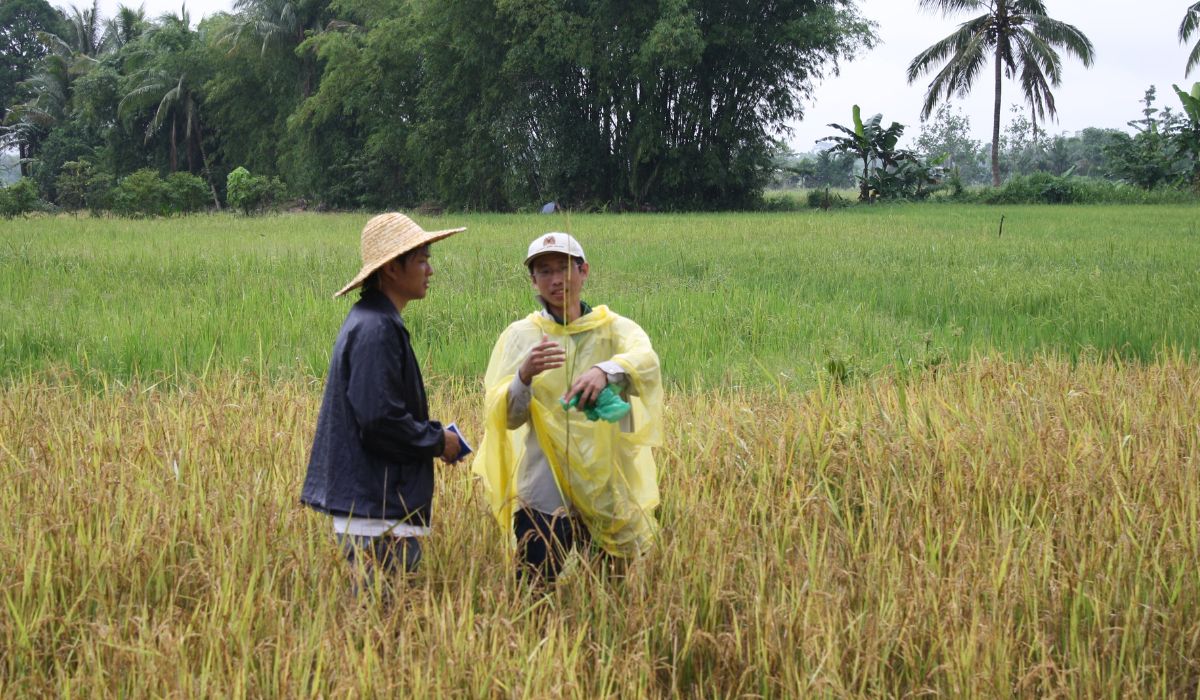 Song and assistant collect samples in the weedy rice-infested paddy field. (Photo: BK Song)
Plant species generally have barriers between the wild and the crop species. "But domesticated and wild rice have porous borders, which facilitate the flow of wild genes into weedy rice genome," said Olsen, another corresponding author of the new study. "This is the first study to explain the genomic characteristics of weedy rice that received wild genes for adaptation to the weed in paddy fields."
There are various tens of weedy rice types in Malaysian paddy fields, some of which were reported in research articles from Song's group:
Since wild rice species occur in tropical Asia regions, crossing between wild and weedy rice could happen. This provides additional weapons for weed proliferation in paddy fields in SEA.
"In the US, the majority of weedy rice emerged through the evolution of domesticated rice genomes in a process of de-domestication. The present study indicates that wild rice introgression can also play a role in the process of weedy rice evolution," Olsen said.
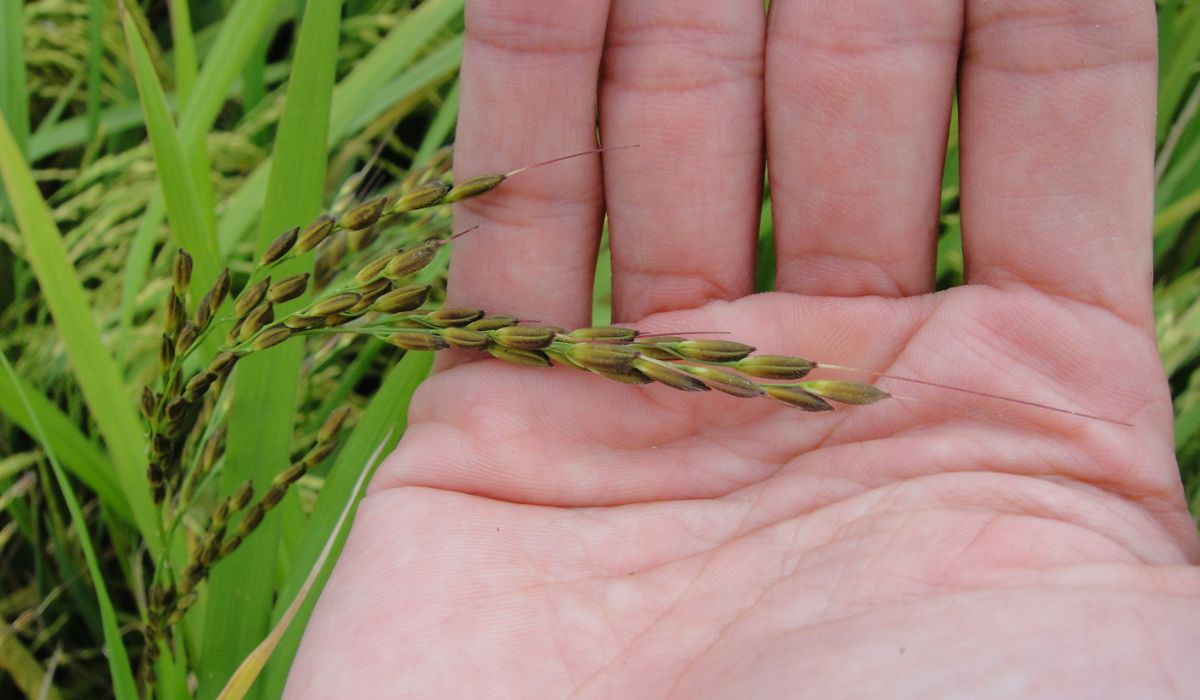
This type of weedy rice exhibits a combination of yellow and black grain colours, which arises from hybridization between cultivated and wild rice. (Photo: BK Song)
Because farmers in the mainland SEA (Thailand, Myanmar, Vietnam) and most of the insular SEA regions (Indonesia, Philippines, Bornean part of Malaysia) grow a wide range of lowland and upland rice varieties, including traditional landraces and modern elite varieties, the genetic diversity of domesticated rice planted in the SEA is higher than any other part of the world. The genomic study also reported that the high diversity of rice genetics provides an opportunity for domesticated rice to turn into feral or de-domesticated rice.
According to Tonapha Pusadee, a co-author of the study, rice cultivations in Thailand are diverse; different regions prefer different types of rice. "Some Thai weedy rice, as a consequence of hybridisation between wild rice and cultivated rice, contain highly variable traits compared to weedy rice in areas where only a few commercial cultivated varieties are grown," she said. "Weedy rice populations found in improved traditional varieties rice fields might subsequently face backcrossing of weedy rice to cultivated rice."
"Considering the significant worldwide economic losses resulting from this agricultural weed, delving deeper into the genes associated with weediness could be useful for identifying the 'magic bullet' that could be targeted in future endeavours to control weedy rice," Song said. "And having an impact in this research also means helping influence policymaking in terms of managing weedy rice control in this region, hopefully."
This type of weedy rice exhibits a combination of yellow and black grain colors, which arises from hybridization between cultivated and wild rice. (Photo: BK Song)
This research was mainly sponsored by the Malaysian Ministry of Higher Education, Monash's MUM-ASEAN Sustainable Development Research Grant, and the U.S. National Science Foundation.
Li, LF., Pusadee, T., Wedger, M.J. et al. Porous borders at the wild-crop interface promote weed adaptation in Southeast Asia. Nat Commun 15, 1182 (2024). https://doi.org/10.1038/s41467-024-45447-0