
Global Population Health 2026 - Seed Grants
From heat and pregnancy to GLP-1 regulation: Seed grants bring disciplines together in new collaborations on health equity
Three early-stage research projects, each bringing together researchers from different schools, have won seed funding from the Global Population Health Department, Monash University Malaysia, giving them the opportunity to gather evidence in uncharted areas of global health equity.
Could extreme heat put some pregnant women and their babies at greater risk?
Can we make access to GLP-1 medicines safer?
Can AI help doctors identify people whose epilepsy may be difficult to control?
These questions share a thread: who is left most at risk when evidence, regulation or specialist care does not reach everyone equally?
They’re being explored by researchers awarded the 2026 Seed Grant by the Global Population Health Department at Monash University Malaysia.
The grants, up to RM50,000 per project, were designed to promote new collaborations across different schools and disciplines and raise health equity as an area for research interest.
“Health inequities are never the product of a single cause,” says Head of Global Population Health, Professor Sarah Hawkes. “So, we will not solve them from inside a single discipline.”
She adds, “What excites me about these projects is that each one brings different kinds of expertise into the same room, working for the people that evidence, regulation and specialist care too often fail to reach. We’re more impactful by working together.”
The three funded teams reflect that aim, drawing on the School of Information Technology, the School of Pharmacy, the School of Business, and the Jeffrey Cheah School of Medicine and Health Sciences.
Heat, pregnancy and birth
“We want to identify who is at risk… so that protection reaches the families with the least means to shield themselves from heat.”
Dr Marwa Ramadan, project lead
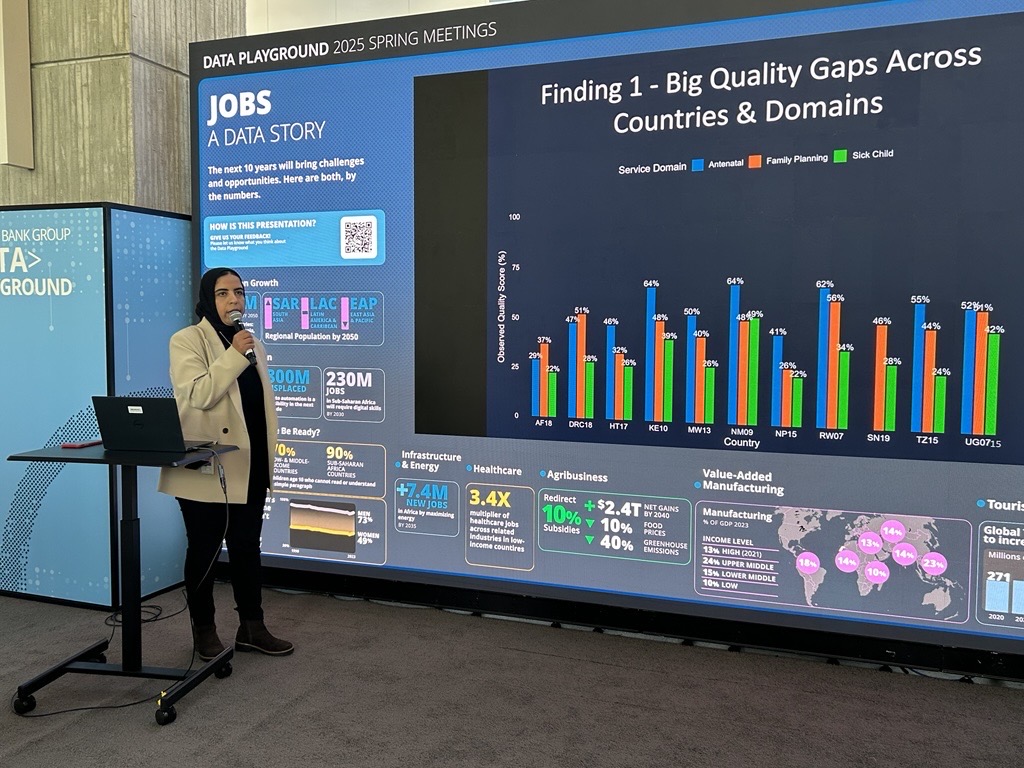
Hot days are becoming more frequent in Malaysia, yet little is known about how heat affects pregnancy and birth outcomes in local communities, or which women are most vulnerable. Project lead Dr Marwa Ramadan is working to identify who is at risk, and when.
The seed grant allows the team to link data from the SEACO cohort (South East Asia Community Observatory, a platform in Segamat, Johor for researchers to study health at the population level) with local temperature records, and to work with women, community health volunteers and the district health office to co-design a prototype heat risk screening dashboard.
Ultimately, the tool could be scaled through SEACO and shared with other population cohorts in the region. It could also open a next phase on how heat and nutrition, including anaemia in pregnancy, act together, which the team sees as the greatest equity gap.
GLP-1 medicines and the online market
“The findings could… support the development of safer and more affordable access to GLP-1 therapies.”
Dr Jasmine Chia Siew Min, project lead
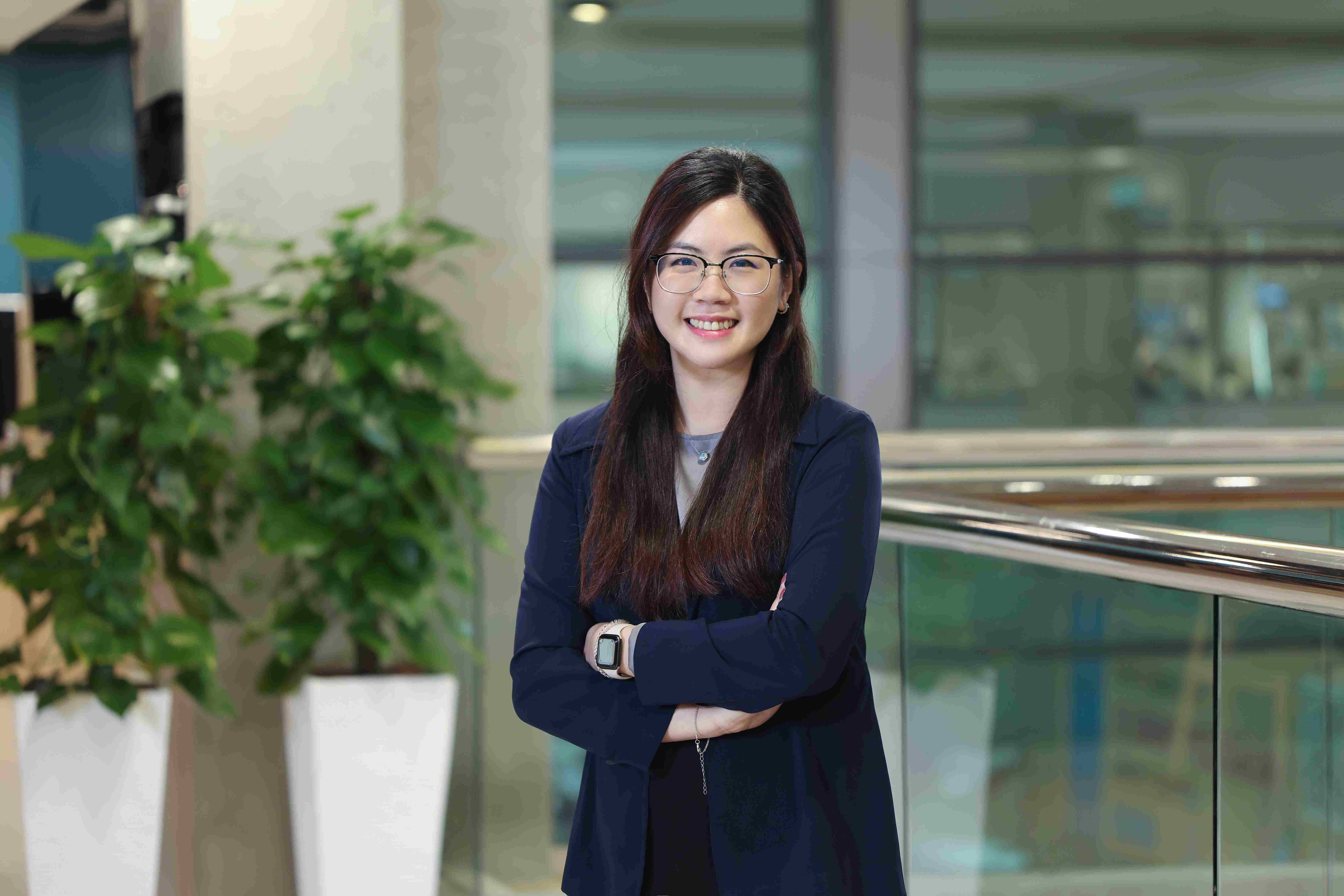
As GLP-1 medicines (a class of weight-loss and diabetes drugs) grow in popularity, project lead Dr Jasmine Chia Siew Min says the unregulated online market exposes patients to unsafe, unsupervised treatment. Those who cannot afford private care bear the greatest risk.
Her project maps how and why this market operates. The findings could help the Health Ministry and regulators improve enforcement, regulate access to GLP-1 therapies, and reduce patients’ reliance on risky informal markets.
The grant, Dr Jasmine says, brings together team members “with complementary expertise” from pharmacy, information technology and medicine, and gives them “the opportunity to generate the first real evidence on this topic”, a foundation for larger external grants to evaluate policy implementation and track its impact over time.
AI, EEG and epilepsy
“Access to specialist neurological assessment is uneven.”
Dr Mirza Rayana Sanzana and Dr Alina Arulsamy, project leads
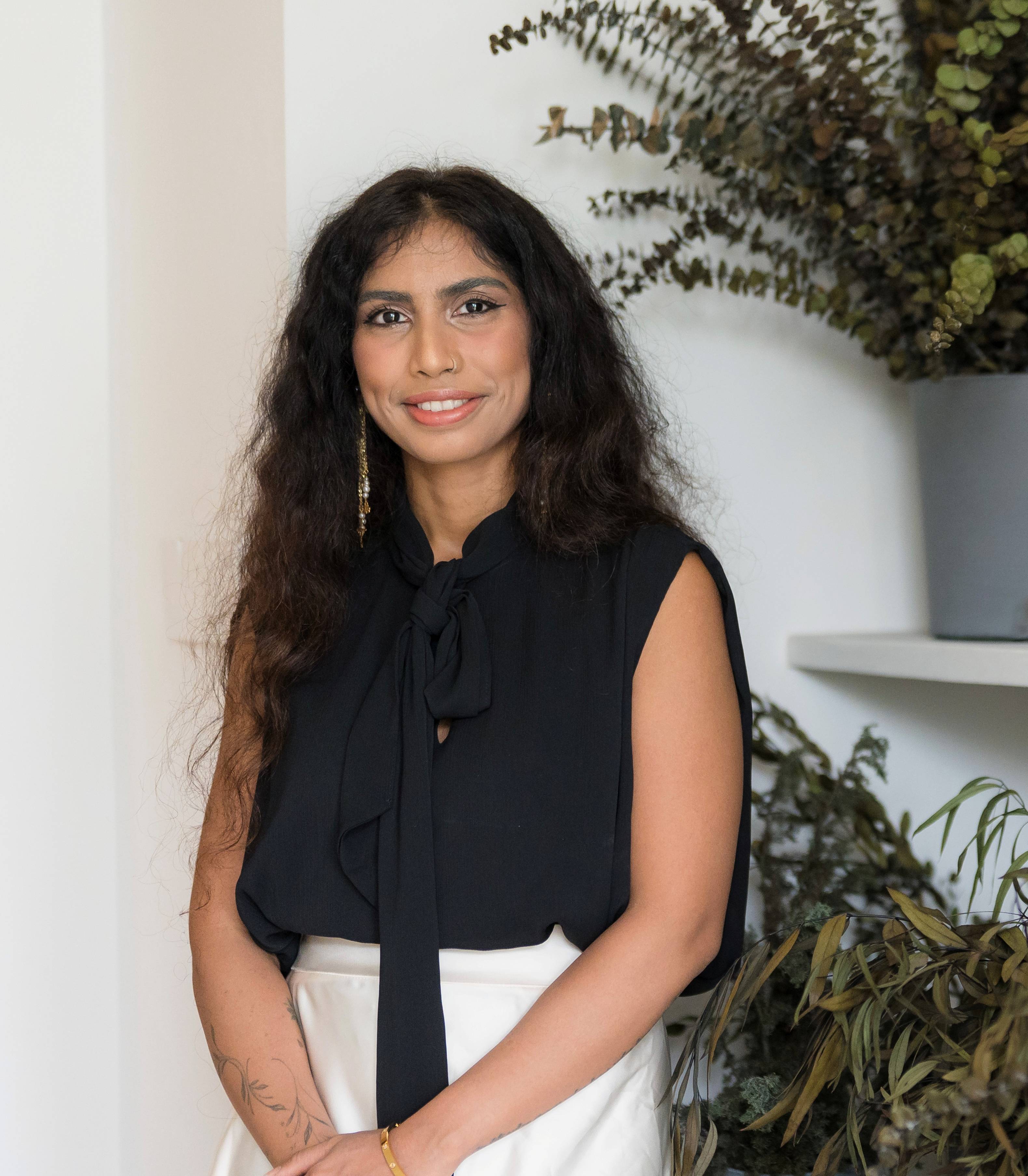
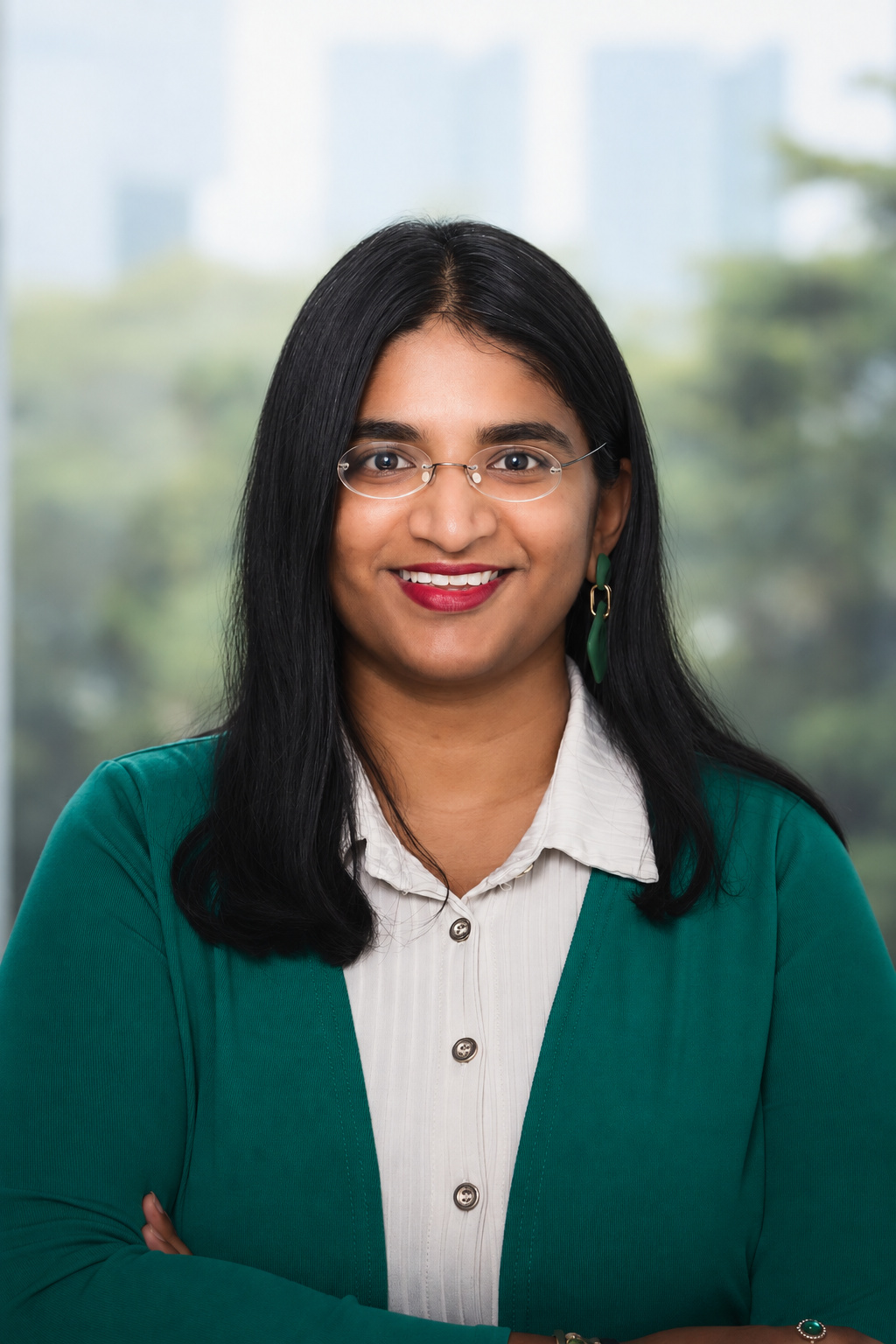
Project leads Dr Mirza Rayana Sanzana and Dr Alina Arulsamy are investigating whether EEG (a relatively affordable brain test), combined with information doctors already collect, can help identify people whose epilepsy is difficult to control despite medication.
South Asian populations remain underrepresented in the evidence used to develop AI-supported healthcare approaches, and the team hopes the study will give this group better representation.
The grant funds research-assistant support to prepare the datasets and compare explainable AI models, as well as stakeholder workshops in Kuala Lumpur and Segamat that will help the team understand the needs and concerns of stakeholders in both urban and non-metropolitan settings. Dr Rayana hopes the project will “…lead to a larger prospective Southeast Asian study and, eventually, a responsibly designed decision-support approach that is more accessible in resource-constrained healthcare settings.”
What comes next
All three teams see the seed grant as a first step, using early evidence to build toward a larger study or grant to inform efforts to improve health equity in the region.
“The grants reflect a wider ambition for the Department: to build a world-class transdisciplinary action lab at Monash University Malaysia, one that advances the idea and the practice of healthy societies by bringing researchers, practitioners and communities together around shared problems,” says Professor Kent Buse, Director of Programmes at the Department of Global Population Health.
For more information about the Department of Global Population Health click here.
Research teams
Climate-Informed Risk Screening for Maternal and Child Health: Linking Heat and Cohort Data in Segamat, Malaysia
Dr Marwa Ramadan, Jeffrey Cheah School of Medicine and Health Sciences
Dr Mogana Darshini Ganggayah, School of Business
Dr Hamima Johar, Jeffrey Cheah School of Medicine and Health Sciences
Dr Snigdha Misra, Jeffrey Cheah School of Medicine and Health Sciences
Unregulated Online GLP-1 Sales in Malaysia: Mapping Market Practices and Regulatory Gaps to Protect Equitable, Safe Access
Dr Jasmine Chia Siew Min, School of Pharmacy
Ms Lee Jia Jia, School of Pharmacy
Mr Yap Chuan Sheng, School of Pharmacy
Dr Tan Mei Sze, School of Information Technology
Dr Tan Seok Tyug, Jeffrey Cheah School of Medicine and Health Sciences
Evaluating the Added Value of Affordable EEG for Epilepsy Patient Stratification in a South Asian Cohort
Dr Mirza Rayana Sanzana, Lecturer, School of Information Technology
Dr Alina Arulsamy, Senior Lecturer and Head of the Neuropharmacology Research Laboratory, Jeffrey Cheah School of Medicine and Health Sciences
Dr Lim Chern Hong, Senior Lecturer, School of Information Technology
Associate Professor Satoshi Ogawa, Neuroscience, Jeffrey Cheah School of Medicine and Health Sciences