
AGELESS Initiative: Pioneering the Future of Ageing in Malaysia

1 - 3 March 2024
Malaysia joins the ranks of ageing nations with 7% of its populace now 65 years old and above, predicting to reach 15% by the year 2044.
Representing Monash University Malaysia, Professor Dr Teh Pei Lee from the School of Business and Professor Dr Shaun Lee from the School of Pharmacy, attended the stakeholders’ engagement event showcasing the AGELESS preliminary findings on the 1st to 3rd March 2024 in Ipoh, Perak.
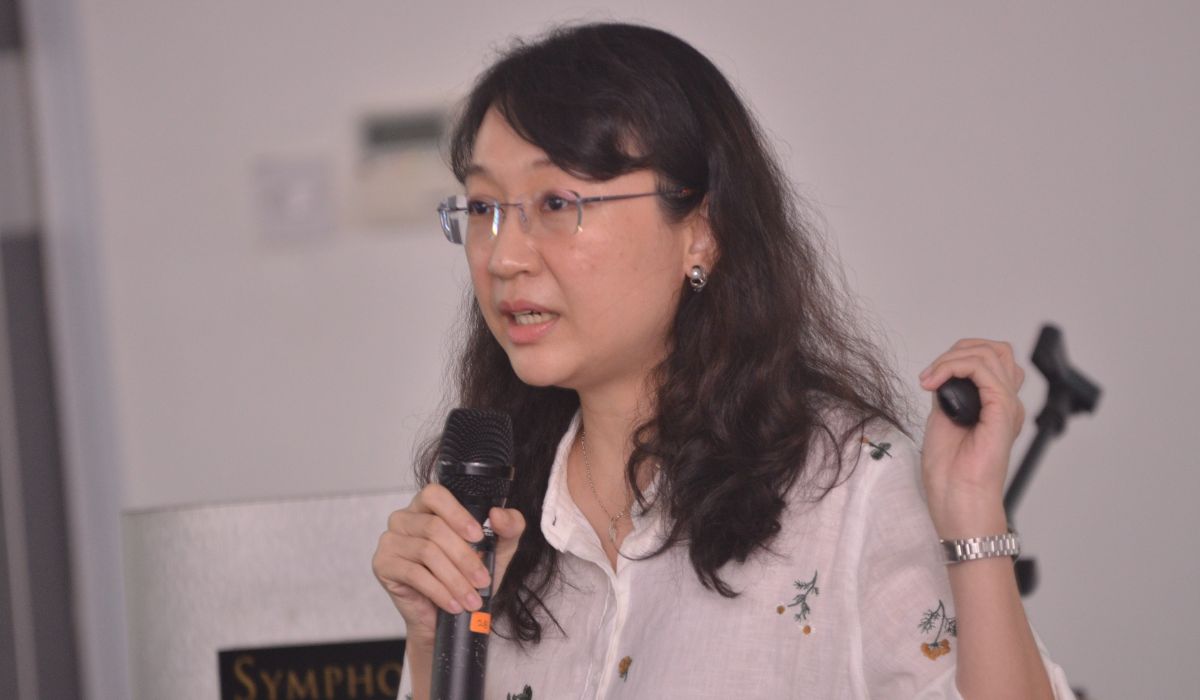
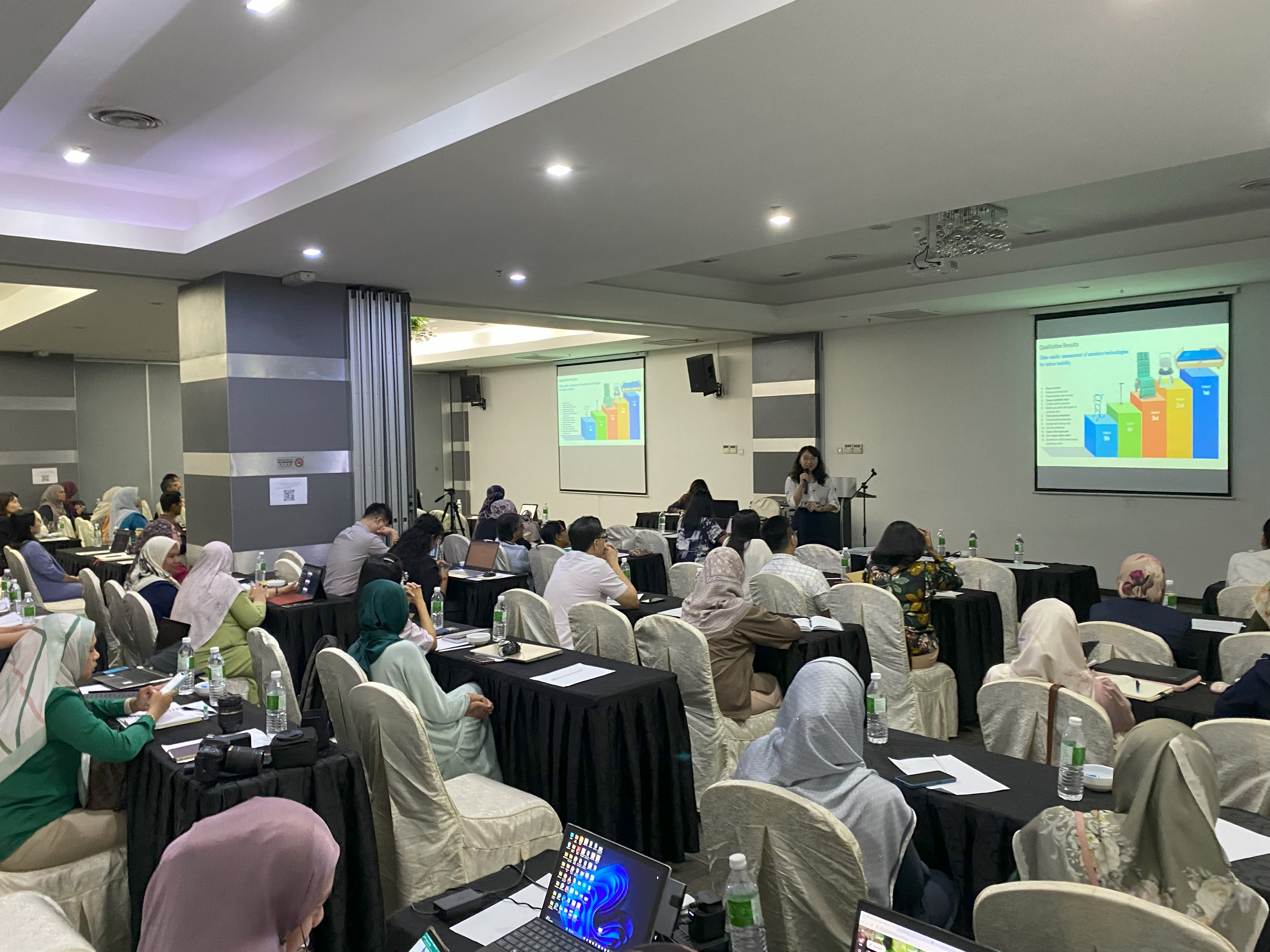
The AGELESS (Transforming Cognitive Frailty into Later-Life Self-Sufficiency) project brings together private and public universities to address cognitive frailty. The stakeholders’ engagement event gathered all participating universities such as Monash University Malaysia, Universiti Putra Malaysia, Universiti Teknologi MARA, Universiti Kebangsaan Malaysia and Universiti Malaya to showcase the project initiatives to key stakeholders in Perak as the state works towards creating age-friendly cities and fostering a thriving silver industry.
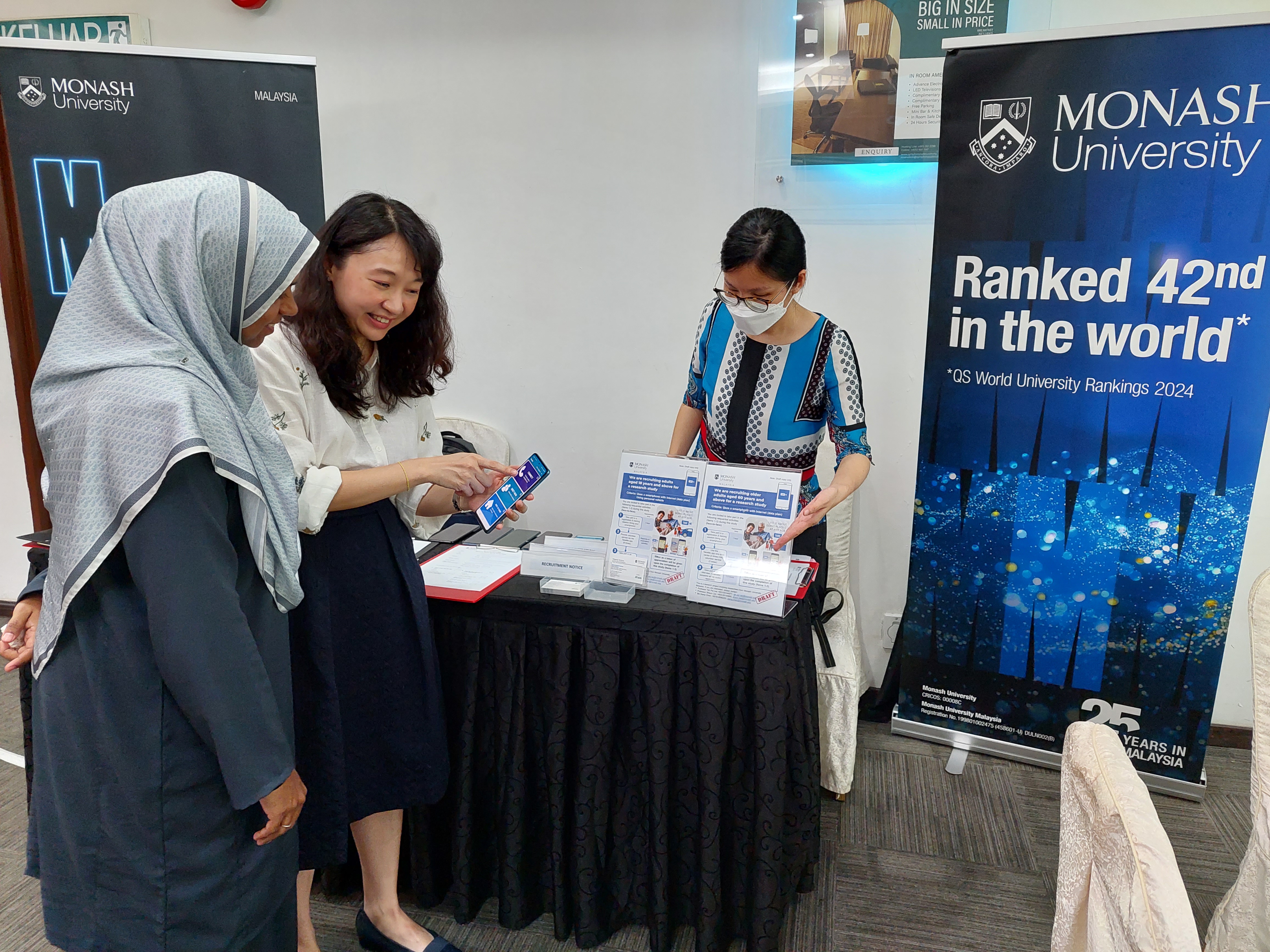
As the project topics vary across universities, ranging from physician frailty, cognitive impairment, lifestyle interventions and more, Monash University Malaysia is at the forefront of addressing mobility challenges faced by older adults in Malaysia. Our university has developed and tested a smartphone application aimed at mobilising volunteers to assist older individuals with their mobility needs, both indoors and outdoors.
 This innovative solution addresses a wide range of challenges faced by diverse populations, including rural residents with limited access to public transportation and urban dwellers encountering parking constraints. Improving indoor mobility is particularly crucial for older adults and individuals with mobility impairments, enabling them to engage in daily activities with greater ease.The effectiveness of various assistive technologies, including home care beds, commodes, reclining wheelchairs and more, has been evaluated to improve the indoor mobility of older adults, aiming to enhance their quality of life. Furthermore, the findings will provide actionable recommendations for designers, caregivers, and researchers, fostering progress in assistive technologies for a more inclusive and supportive environment for older adults and those with mobility challenges.
Overall, the event has opened up opportunities for dialogue to both inform future research efforts and develop effective collaborations.