
Leveraging the power of AI: Monash University Malaysia launches its first chatbot for the classroom
30 September 2025
When Dr. Shalini Nagaratnam first became Chief Examiner for Introduction to Statistical Analytics (ETW1001), the one thing she did not expect was a full inbox.
As a core first-year statistics unit, ETW1001 has an enrolment of 400-700 students each semester. Dr. Nagaratnam prepared detailed assignment briefs and FAQs, but her email inbox was constantly flooded with repetitive queries from students.

“When is the deadline?”
“What format should we submit it in?”
“How do I interpret this formula?”
The statistics lecturer quickly realised there had to be a more effective way. “The sheer volume of emails I received made it difficult to focus on deeper learning needs. I realised our time would be better spent guiding students through the why and how of analytics, not just the what,” she explained.
Dr. Nagaratnam soon discovered that she was not alone. Her colleagues, Dr. Sheena Sara and Shafiullah Anis, were also considering an AI-powered solution to the mountain of student queries they received each semester.
“I realised we could centralise all the information and deploy a chatbot to handle the bulk of queries automatically. Students would have immediate access to guidance 24/7, and staff could redirect their energy toward deeper teaching and student engagement,” said Dr. Sara, a finance lecturer and Deputy Director of Undergraduate Studies at the School of Business.
Together, the three lecturers embarked on a pilot project: to build a chatbot that would answer students’ questions accurately and in real time.
Blazing a trail in AI-powered teaching and learning
As the chatbot is the first of its kind at Monash University Malaysia, the pioneering team had to wade through a lengthy approval process to ensure adherence to the university’s academic integrity and AI governance requirements.
They also had to train the chatbot, conduct multiple rounds of testing and identify a suitable window for deployment. From ideation to launch, the project took five months.
The chatbot can handle a wide range of student queries and can respond to hundreds of students simultaneously at any time.
It draws from lecture notes, assessment rubrics, deadlines, Moodle announcements and importantly, its scope is contained to the unit so that students do not receive generic or inaccurate information.
“Imagine it as a friendly customer-care executive equipped with a big FAQ, ready to answer almost every imaginable query raised,” Shafiullah quipped.
The marketing lecturer believes the chatbot will be a welcome addition to the student experience.
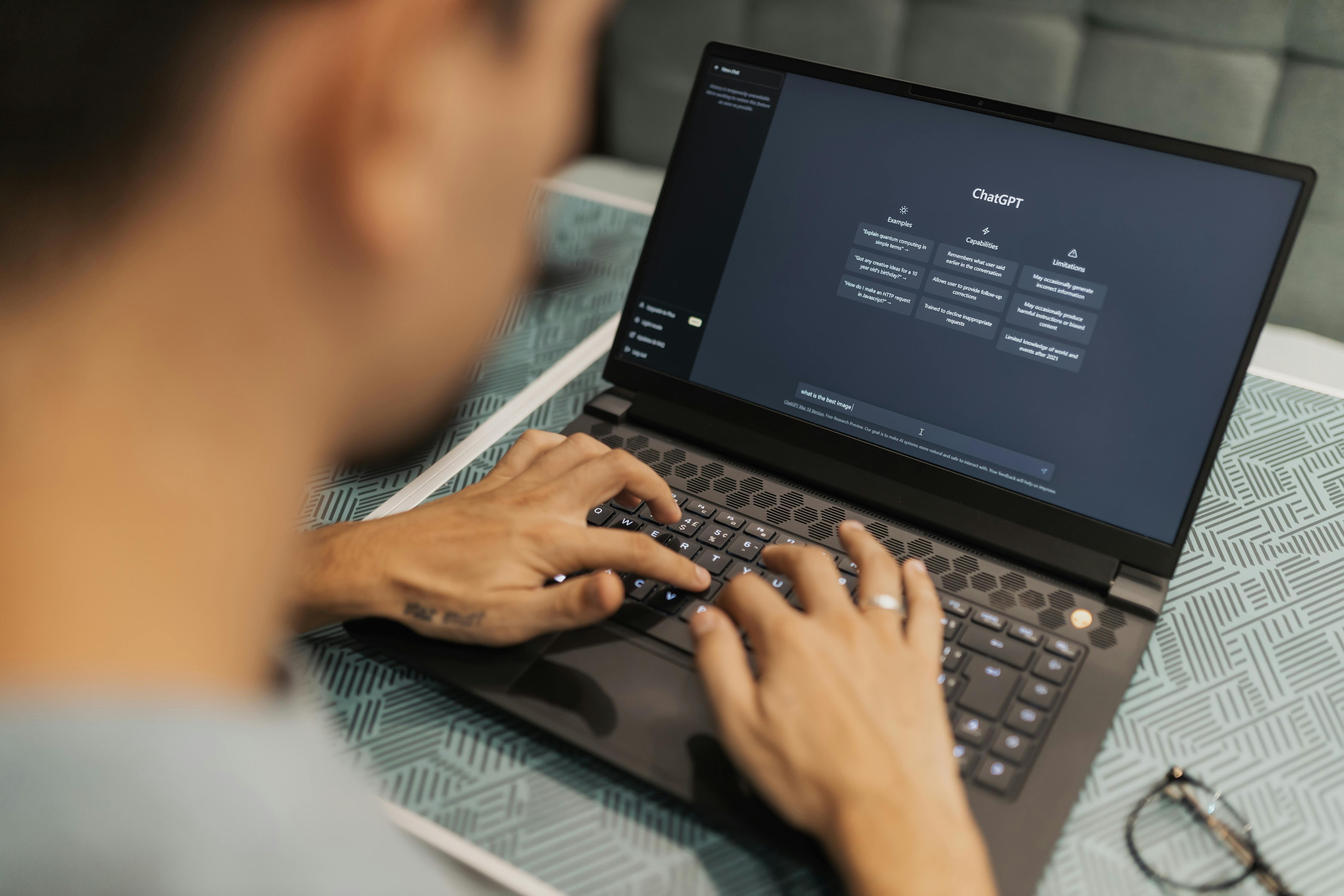 “For example, if a student is working on an assignment at 2 a.m. and has a query, they would have to wait until the next day to get it resolved. With the chatbot, they can get their answer within seconds,” he said.
The team was able to keep the overall cost modest by leveraging the ChatGPT platform instead of building the product from scratch, with subscriptions and development time covered by the Learning Innovation Fund (LIF).
Catalysing a mindset shift
Early trials have shown promising results. The chatbot is now being refined to ensure that it only responds to questions directly related to the unit and avoids providing inaccurate or irrelevant answers.
“The real measure, however, will be when we allow a large cohort to use it. That’s when we’ll evaluate its impact on student engagement, query reduction, and teaching staff workload in a more systematic way,” Dr. Nagaratnam shared.
As an educator, she is hopeful that the chatbot will expand students’ perspectives surrounding AI and its potential to enhance learning and life.
“Hopefully, this mindset shift inspires them to think about how AI can be integrated into their own disciplines, in ways that are creative, ethical, and impactful,” she said thoughtfully.
On the teaching and learning front, AI has huge potential for personalised learning, from tailoring practice questions based on a student’s past performance, to identifying struggling or high-risk students by analysing their engagement.
“More than a buzzword or tool for shortcuts, I hope students will begin to see AI as an enabler of learning, a system that supports them when they’re stuck, encourages them to ask questions and gives them confidence to explore. In doing so, students will begin to see AI as a collaborator, not a replacement,” she asserted.
Shafiullah agreed, adding that AI empowers students to be change-makers where they are, moving beyond analysis, reports and recommendations to building actual solutions.
The lecturers plan to roll out the chatbot to students later this year and in the future, scale the project across other units.
For now, they are excited for what the chatbot will bring: an improved student experience, inspiration for more AI-powered learning and hopefully, empty inboxes.