
From Micro-entrepreneurship to Energy Accessibility: Monash Researchers Are Empowering Vulnerable Communitiies
30 September 2024
At the height of the COVID-19 pandemic in 2020, Professor Grace Lee observed an alarming trend: B40 women micro-entrepreneurs were struggling to switch to digital marketplaces.
“They did not know how to use the technology and were getting left behind,” said Professor Lee, Head of the Department of Economics at the School of Business.
In collaboration with Amanah Ikhtiar Malaysia (AIM), Malaysia’s largest microcredit organisation, she embarked on research to identify why women in the B40 (bottom 40% of Malaysian household income) group were hesitant to embrace technology.
“They were being trained in how to use the digital platforms, but they weren’t doing so after the training. Our research uncovered that the lack of a growth mindset – believing they were not able to successfully switch – was a major hindrance,” Professor Lee explained.
The interdisciplinary research team then worked with AIM and a training company to develop a program that incorporates the growth mindset and self-efficacy aimed at helping women overcome this mental barrier.
More than 500 Malaysian women took part in the training. 
“We found that the program transformed their entrepreneurial mindset, giving them the confidence to embark on new ventures and adopt technology. This has fostered business growth,” she said.
The project has also been introduced in Indonesia, where 200 women entrepreneurs have been trained.
The impactful research was backed by the Monash ASEAN Grant (AUD 354,000, approx RM1.02 million) and the Fundamental Research Grant Scheme, Ministry of Education (AUD 27,576, approx RM80,000).
Professor Lee believes that by empowering B40 women micro-entrepreneurs with the confidence and skills to ideate and build successful businesses, entire families can be lifted out of poverty.
To address climate change, we need clean energy in our communities
When Dr Ridoan Karim first realised that there were still communities in Malaysia without reliable access to energy, he wanted to find a holistic solution.
“Energy justice calls for distributional opportunities of energy for everyone in the world. But it has to be sustainable, so how can we implement clean energy policies in a way that helps everyone?” he said.
Dr Ridoan, who is the Deputy Director of Undergraduate Studies, identified blockchain as a method to push a peer-to-peer energy trading system in Malaysia and began researching the viability of this approach in 2023.
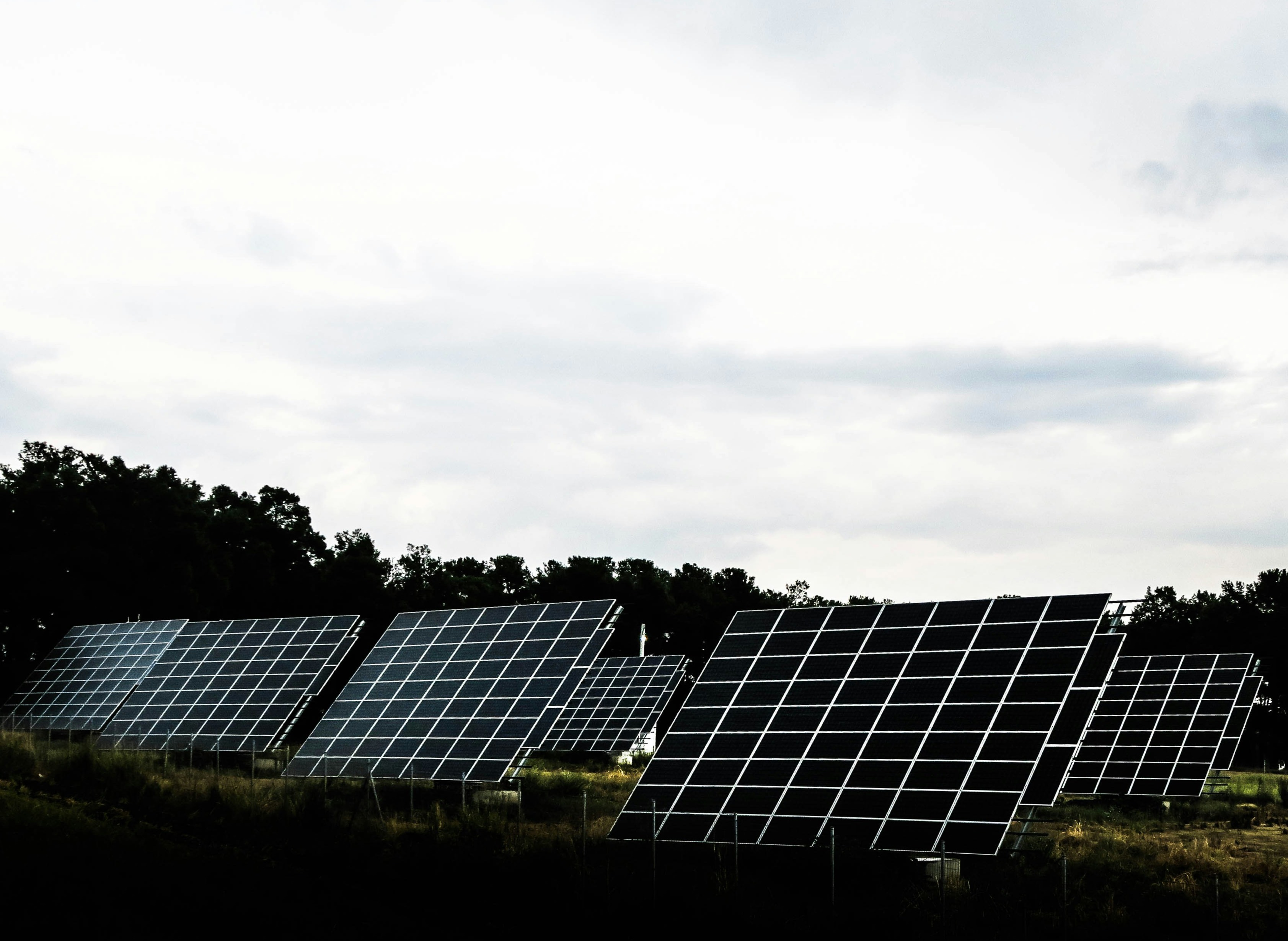
Energy trading among consumers is gaining popularity as countries seek to optimise energy distribution in the move to zero-carbon energy use.
Malaysia’s authorities for sustainable energy have also been exploring peer-to-peer energy trading since 2019, and the government is pushing a clean energy agenda.
In 2023, a record 25% of renewable energy was sourced through hydropower, solar energy and wind sources in Malaysia (The Star).
For Dr Ridoan, these are encouraging signs, but comprehensive laws and policies must be in place to ensure success.
“In Malaysia, peer-to-peer trading can be a solution [in our move to clean energy] and blockchain could be the vehicle but we need a proper framework to address legal uncertainties, liabilities, and data privacy concerns,” he explained.
Leading a team of interdisciplinary experts from Monash and University Malaya, his research was awarded RM50,000 from the Fundamental Research Grant Scheme, Ministry of Higher Education.
“We always talk about tackling climate change, but to truly combat its adverse effects we cannot just address the developed world’s problems,” he said.
Beyond the classroom and into the world
In line with the ethos of Monash University, Professor Lee and Dr Ridoan are both determined to use research to discover solutions to real-world problems today.
Dr Ridoan is slated to complete his research next September; so far, the team has made great strides in studying the viability of blockchain technology.
His research is aligned with United Nations’ Sustainable Development Goal 7 to promote access to sustainable and affordable energy, reflecting the University’s commitment to driving the sustainability agenda.
Meanwhile, Professor Lee and her team are measuring the impact of the training program they developed and was recently awarded Monash University Australia’s Impact Acceleration Grant (AUD15,000, approx. RM43,574) to do so.
“The internal and external grants we have received are a testament not just to the impact of our research, but the supportive environment Monash provides for aspiring researchers.
“When it comes to research, what drives us is important. At Monash, we are united by a common goal to use research for meaningful impact on society and vulnerable communities,” she said.
Learn more about the School of Business’ programs here.