
The Malayan Emergency in Film and Literature
Critically considering the Malayan Emergency in the arts
The Malayan Emergency (1948 – 1960), a major part of the nation’s history, has often been spoken of in hushed tones without being discussed as critically as its significance warrants. That was something the School of Arts and Social Sciences took steps to address, in organising a two-day virtual workshop titled The Malayan Emergency in Film and Literature.
Held on the 4th and 5th of November 2021, the event brought together academics from around the world to discuss how the Emergency has been represented through the arts, encompassing various national contexts as well as a range of literary and cinematic forms and genres. These sessions were composed of scholars and researchers, many of whom are conducting ongoing projects in these discourses.
Film and photography in the Malayan Emergency
The first session featured Professor Jon Cowans of Rutgers University-Newark, University of North Texas’s Dr. Kate Imy and Dr. Nadine Chan (currently attached to Claremont Graduate University). Professor Cowans considered how the Emergency was discussed through published reviews of key films such as The Planter’s Wife. Dr. Imy conducted a more critical reading of gender in the Malayan Police Magazine, while Dr. Chan’s presentation focused on the ways in which the Malayan Film Unit reached its audiences in rural areas.
Later in the same day, Dr. Lawrence Napper (King’s College London), Dr. Jeremy E. Taylor (University of Nottingham) and Dr. Anne Wetherilt would further the discourse on cultural representations found in the Malayan Emergency. Dr. Taylor’s discussion of photographs of the New Villages, for instance, provoked much critical thought, while Dr. Napper reviewed the British audience’s reception to the films The Planter’s Wife and Conflict of Wings.
“We looked at different academic disciplines: different media, different time periods, and different historical perspectives,” said Dr. Wetherilt, a PhD candidate in the Department of English at The Open University; she herself conducted an enlightening analysis on how the Emergency was represented in Han Suyin’s … and the Rain, My Drink, Anthony Burgess’s Time for a Tiger and The Flying Fox by Mary McMinnies. “I thought the workshop really succeeded in its aim to bring together a variety of perspectives on the Malayan Emergency.”
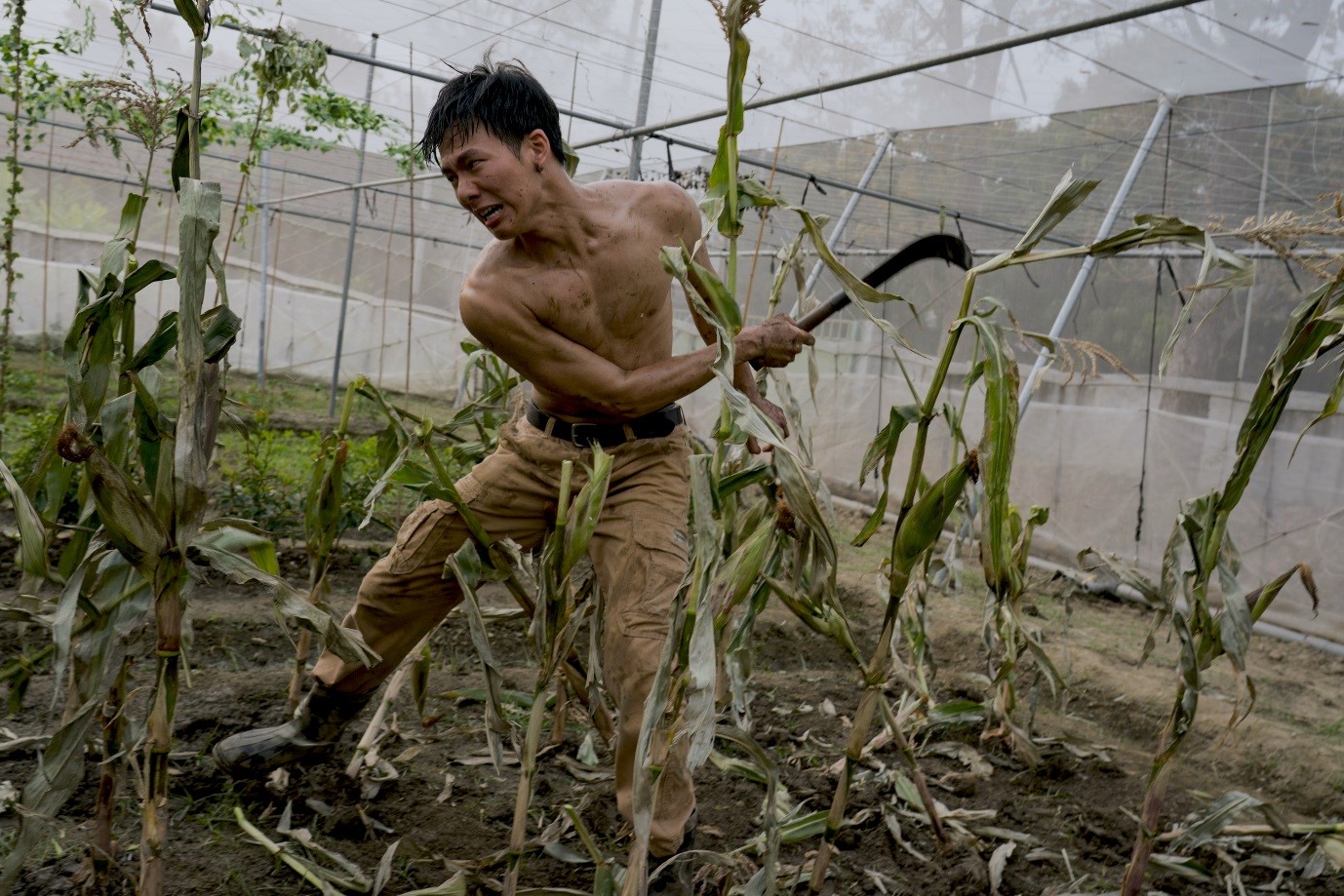
Figure 1 Boluomi by Lau Kek Huat
Looking back to move forward
The second day kicked off with presentations by George Mason University’s Dr. Kevin M. Flanagan and Monash’s very own Dr. Chrishandra Sebastiampillai. Her discussion of how the newer generation may take to the (re)representations of the Batang Kali Massacre in December 1948 was a lightning rod of critically constructive comments about the significance of such events. Dr. Flanagan’s presentation dealt with generational tensions to be found in British war films of the 1950s and 1960s, focusing on how these were played out in The Virgin Soldiers.
“It was a very stimulating workshop the whole, at least for the two panels I was able to attend,” he reflected, taking into account the time difference between the United States of America and Malaysia. “I was happy to be brought into the larger conversation, especially as someone whose prior knowledge was really only on a sliver of the issues up for discussion.”
The knowledge sharing did not abate for the final panel of the event, featuring Dr. Chew Hui Yan, Dr. Eugene Chua and Sim Chi Yin. Streaming from Japan, Dr. Chew considered three films produced by Malaysian filmmaker Lau Kek Huat, whose films Absent Without Leave, The Tree Remembers and Boluomi all touched on the Malayan Emergency in ways both personal and objective.
Dr. Chua followed Dr. Wetherilt’s literature track, considering how the time period has been represented in literature through Beth Yahp’s The Crocodile Fury and The Garden of Evening Mists by Tan Twan Eng. Finally, Singaporean artist Sim Chi Yin would wrap up the event with her succinct analysis on various representations of the emergency through works of art found in Malaysia and Singapore.
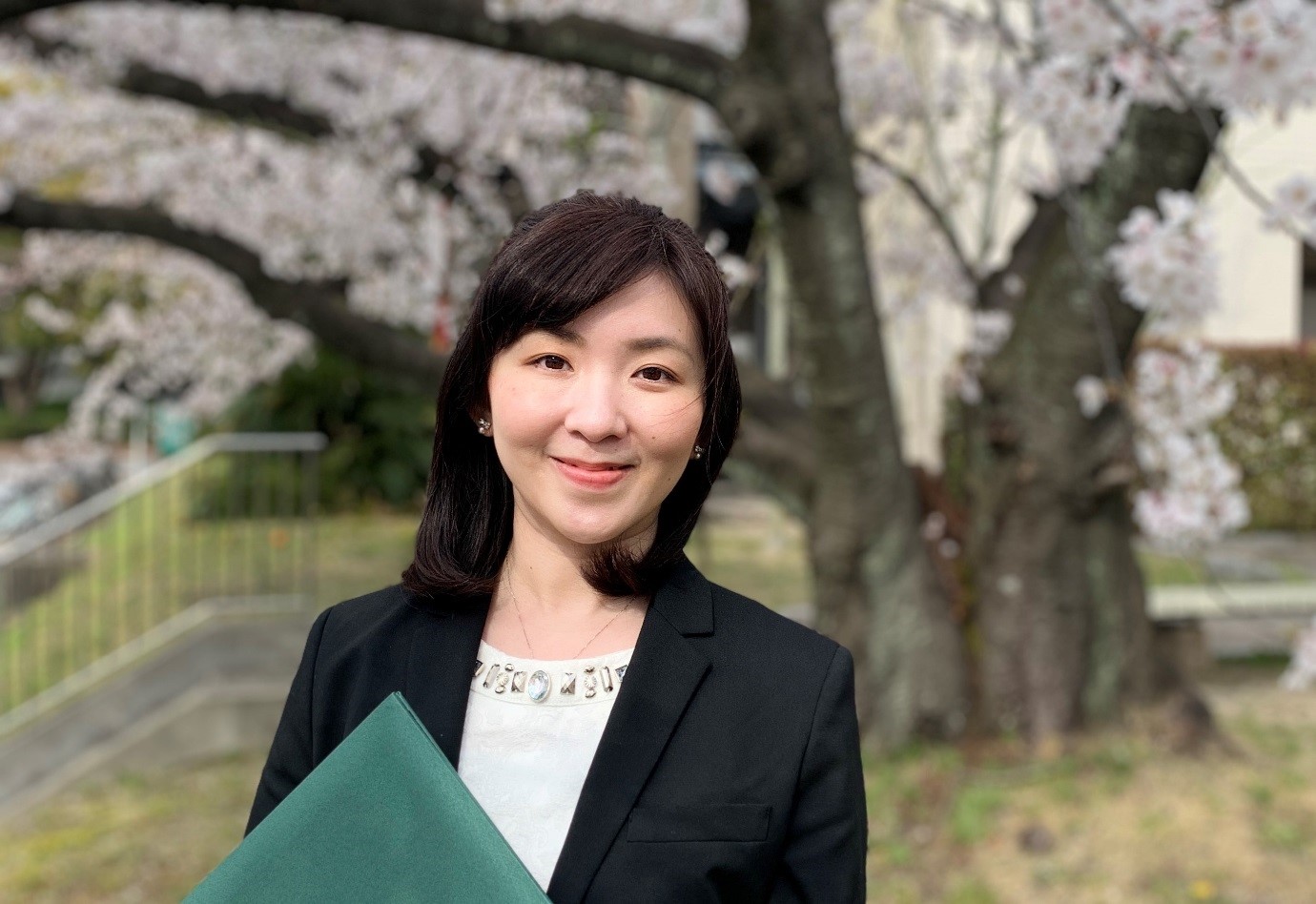
Figure 2 Chew Hui Yan
Critical discourse on the Emergency
“I was quite surprised that there are more scholars who are doing research on the Malayan Emergency than I imagined, and that we could have a workshop in Malaysia discussing this topic,” said Dr. Chew, an adjunct instructor at the International Office of Kagawa University. “I think the workshop is such a great platform for us to rethink the national history that most of us might have forgotten or are unaware of.”
This is a point Dr. Jason Ng Sze Chieh, a senior lecturer at New Era College and a ubiquitous participant of the virtual workshop, concurred with. “It still is relatively understudied and even then, it is quite scattered and limited in breadth and depth in terms of historiography,” he noted. “This workshop facilitates a meeting of minds, allowing people to share ideas and thoughts to provide support for one another to continue expanding this research.”
That such a discourse was held online did not diminish its collegial atmosphere. “I would commend the organisers for creating a welcoming and inclusive environment,” said Dr. Wetherilt. Dr. Chew and Dr. Ng agreed, noting how the efficiency in organisation led to stimulating and inspiring presentations. “I feel the workshop is very beneficial to scholars and to anyone interested in the topic,” he said.
Dr. Flanagan noted much of the same, especially given how it has opened up further avenues for future research. At the same time, there’s always the bigger picture to consider: “The Zoom format worked well, and it also probably reduced the event’s carbon footprint by a lot!”

Figure 3 Screenshot of MEFL 4 Panels
Written by Fikri Jermadi. For more information on the virtual workshop, visit www.themalayanemergency.8b.io.