THE MALAYSIA CHEM-E-CAR COMPETITION 2022
Chem-E-Car Competition is an annual event that takes place on a national or international scale. In Malaysia, the competition is organised by the Technical Department of Chemical Engineering (CETD), Institute of Engineers Malaysia (IEM) and started since 2005.The Chem-E-Car competition aims to achieve the following objectives among the participants:
- To understand the basic concepts of sustainability in the chemical engineering.
- To design a product and take into account the needs of sustainability.
- To deliver the work / written and oral presentation effectively.
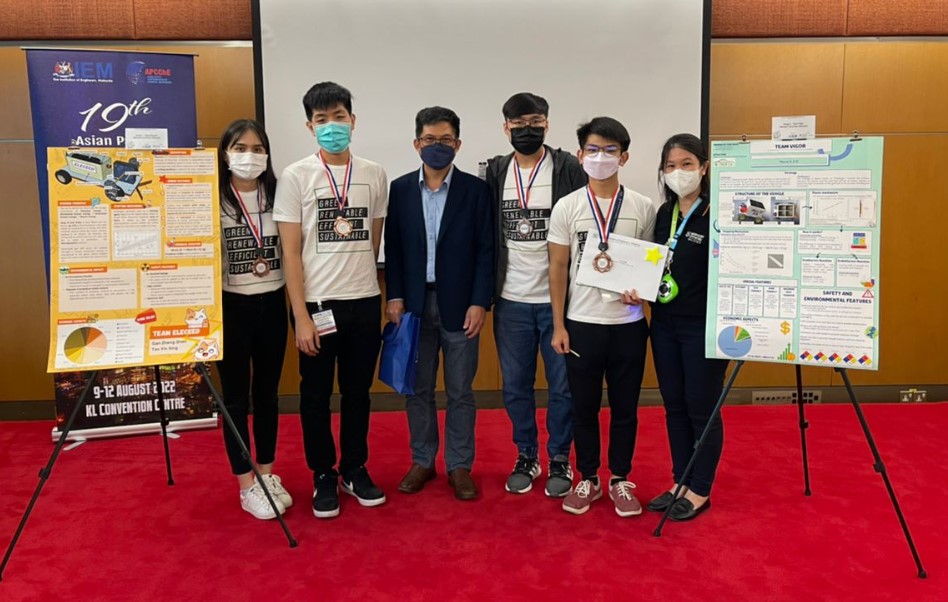
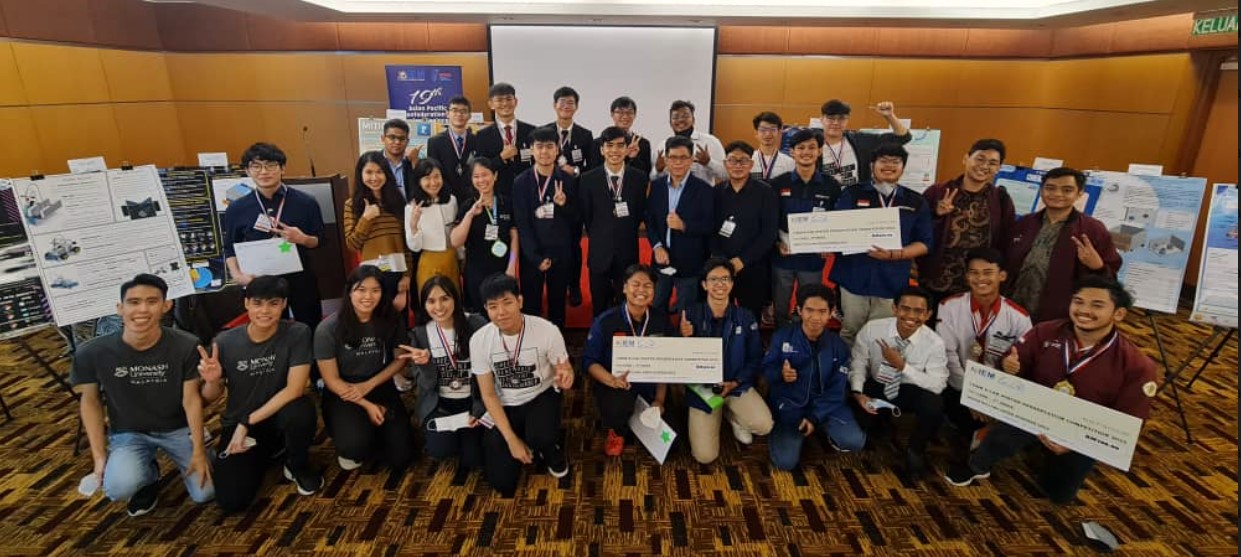
This year, the Chemical Engineering Discipline, Monash University Malaysia, was honoured to host the Malaysia Chem-E-Car Competition 2022. The event organising committee was led by Mr. Joachim Perera (Year 4 student in chemical engineering and president of Monash Chem-E-Car Club) under the advice of Ir. Dr Tan Jully, the course director of the chemical discipline. Sixteen teams from various institutions of higher learning in Malaysia and Indonesia participated in this competition. Out of the sixteen submissions, ten teams were shortlisted and presented their Chem-E-Car design ideas on August 9th, 2022, at the Kuala Lumpur Convention Centre. Two teams from our chemical engineering students, Team Eleceed and Team Vigor, successfully made it to the top 10 finalists.
The uniqueness and creativity of the Chem-E-Car design are based on the chemical reaction, power source, and it’s stopping mechanism. Each team submission should take into consideration the environmental, safety, and economic aspects of their design. During the competition, each team needs to pitch their ideas to the judging panels from academics and industry, followed by a Q&A session.
Joachim said, "It was a great experience for my team and I to be a part of this event and be able to network with students from different universities. We hope that next year's event will be just as fruitful as this one! "
It is hopes that the Chem-E-Car competition gave the students valuable experience using the theoretical knowledge in practical settings and will make learning enjoyable and engaging. "Even though we had a restricted amount of time and availability of manpower, we were able to host and organise the event successfully. This accomplishment is evidence of the student committees' capacity for cooperation and project management, said Dr. Jully.