
Computational Modelling team
Biomedical Engineering Computational Modelling |
In the Computational Modelling team of the Biomedical Engineering Modelling and Simulation (BEMS) group, we endeavour to use mathematical and computational modelling techniques to understand and solve various problems related to medicine and healthcare. Computational models allow access to all variables of interest and help medical doctors and clinicians visualise and comprehend the processes that occur inside the human body. We also perform experimental studies that replicate various biophysical conditions under laboratory condition to complement the computational models. We collaborate with universities and hospitals, both locally and internationally, to provide unique and novel solutions for the betterment of healthcare. |
Ultrasound-mediated treatment of blood clots Thrombosis remains a leading cause of cardiovascular mortality globally. Sonothrombolysis has emerged as a promising non-invasive alternative that utilises ultrasound waves to excite microbubbles to enhance blood clot lysis. Achieving precise parameter optimization and complete mechanical destruction of the targeted thrombus is paramount to prevent incomplete recanalization and localized vascular damage. One of the key focal points of our research is utilizing multiphysics computational modeling and simulation to systematically evaluate how ultrasound and microbubble parameters influence bubble cavitation and flow-induced shear stress on the clot surface. Through these in silico investigations, we aim to deliver fundamental insights into microbubble-clot mechanical interactions, which will directly guide clinical decision-making and optimize treatment protocols.
Figure: (Left) Insertion of intravascular ultrasound transducer to treat deep vein thrombosis. (Middle) Development of macroscale model (Right) Microscale model of sonothrombolysis. |
Transdermal drug delivery via acoustic sonophoresis Transdermal drug delivery offers a highly advantageous, non-invasive alternative to oral administration and conventional hypodermic injections. However, the stratum corneum—the skin's outermost lipid barrier—strictly limits the penetration of most therapeutic compounds. Sonophoresis has emerged as a promising technique that utilizes ultrasound waves to transiently alter skin permeability and enhance macromolecular transport. Achieving predictable drug flux without causing deep tissue damage or severe localized heating is crucial to ensuring clinical safety and efficacy. We develop predictive simulation frameworks to analyse acoustic streaming mechanics and transient pore generation, aiming to maximize molecular flux during transdermal delivery. |
Thermal ablation treatment of cancer Cancer is one of the leading causes of death worldwide. Thermal ablation techniques are among the well-established methods for treating small cancer. Examples include radiofrequency ablation (RFA), microwave ablation and cryoablation. A successful thermal eradication of the cancer tissue is important to prevent recurrence of tumour. One of the research studies that we do is to use computational modelling to help improve the understanding of the thermophysics of the treatment mechanisms in order to facilitate the design and optimisation of the treatment protocol. Figure: (Left) Model of the reconstructed patient liver (Mid) Streamlines of the electric field distribution (Right) Iso-surfaces depicting the temperature distribution achieved during treatment |
Mass transport in biological tissues Fluid transport in biological tissues plays an important role in several medical treatments, such as drug delivery and saline-infused radiofrequency ablation (RFA), among others. A good understanding of how fluid flows inside tissues can help to further understand the effectiveness of these medical treatments. We couple experimental studies on ex vivo tissues with computational modelling to explore the complex mechanisms involved in the transport of fluid in biological tissues. Figure: (Left) Ex vivo fluid infusion study on goat liver. (Right) Stained regions of the tissue indicating flow distribution. |
Non-invasive disease detection Although biopsy remains the gold standard in the diagnosis of the majority of the diseases out there, the process is slow and not without complications. Non-invasive detection of medical abnormality helps to minimize the complications often associated with biopsy. These techniques, which can be based on ultrasound elastography, infrared thermography etc, can be used as a preliminary screening tool for mass screening exercises to determine if further diagnosis based on tissue biopsy is required of the patient. This reduces not only the waiting time, but also the cost involved. Computational modelling helps to improve the accuracy and reliability of the detection by providing accurate description of the physics/mechanisms during the detection process. Figure: (Left) Model of the transducer array in a curved ultrasound probe. (Mid & Right) pressure and acoustic radiation force (ARF) distribution to facilitate shear wave elastography |


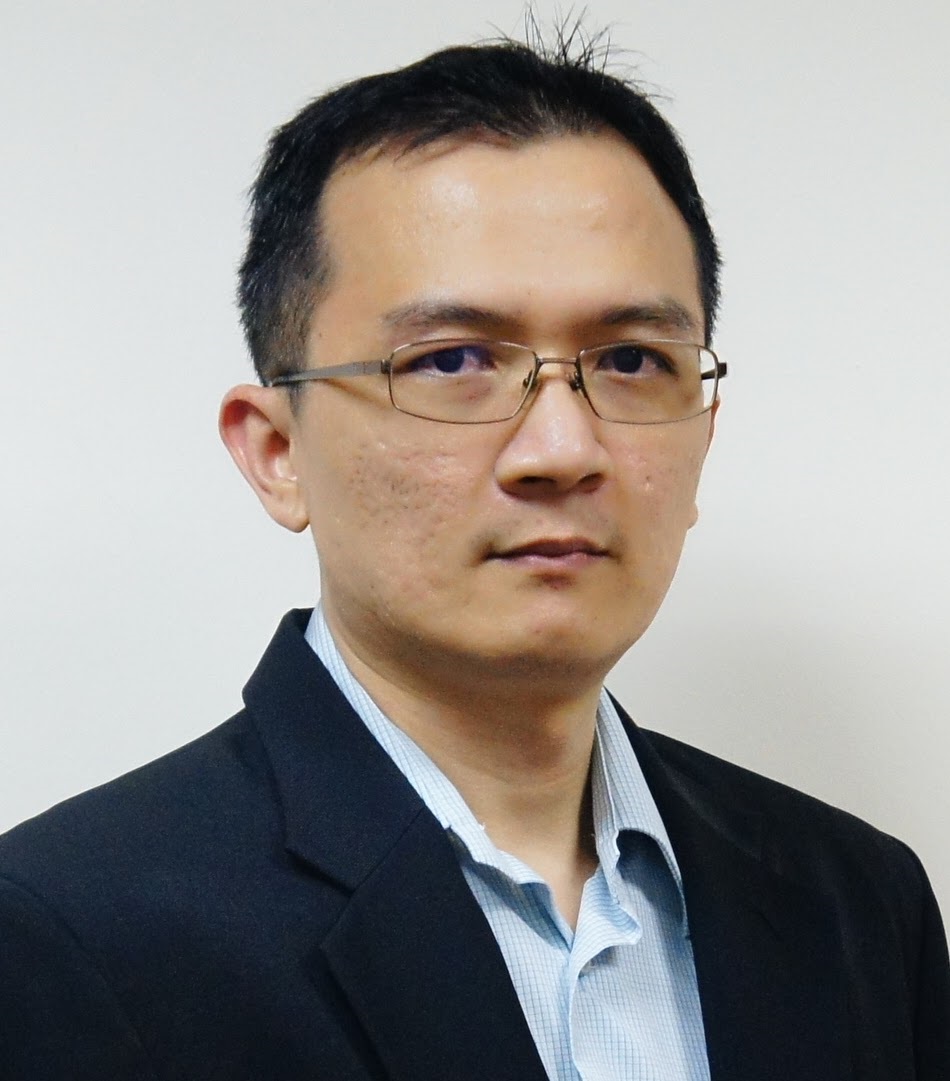 | Dr Ooi Ean Hin Dr Ooi heads the Computational Modelling team of the Biomedical Engineering research group. He is a Senior Lecturer in the School of Engineering, Monash University Malaysia. He obtained his Bachelor’s degree in Mechanical Engineering from University of Technology, Malaysia and his Doctor of Philosophy from Nanyang Technological University, Singapore. His research experience includes research positions in the School of Clinical and Experimental Medicine, University of Birmingham, Wessex Institute of Technology and the Institute of Biomedical Engineering, University of Oxford. He is a technical consultant for Ascend Technologies Ltd, United Kingdom and is the Associate Editor of the Journal of Medical Imaging and Health Informatics. His primary research interests are to use mathematical and computational modelling to understand different biophysical and physiological phenomena related to thermal treatment of cancer and tissue biomechanics. He also retains an interest in the development of mesh reduction numerical methods.
|
Research Team | |
| Dr Tan Zhi Qi Dr Tan obtained his Bachelor’s and PhD in Mechanical Engineering from Monash University Malaysia, where he is now a lecturer in the Common Engineering department. His research leverages computational modelling to address multiphysics problems in biomedical applications, specifically in ultrasound-mediated therapies. His primary work involves the computational modelling of sonothrombolysis, where he investigates how acoustic cavitation enhances thrombosis treatment. His contributions to the field have earned him the Best Paper Awards from both the IEEE-EMBS and the Asia-Pacific Society for Artificial Organs (APSAO). Dr Tan is currently expanding his research into ultrasound-assisted drug delivery and other emerging applications of therapeutic ultrasound. Google Scholar: Click here. ResearchGate: Click here. Linkedin: Click here. Googlesite: Click here. |
Current GRS | |
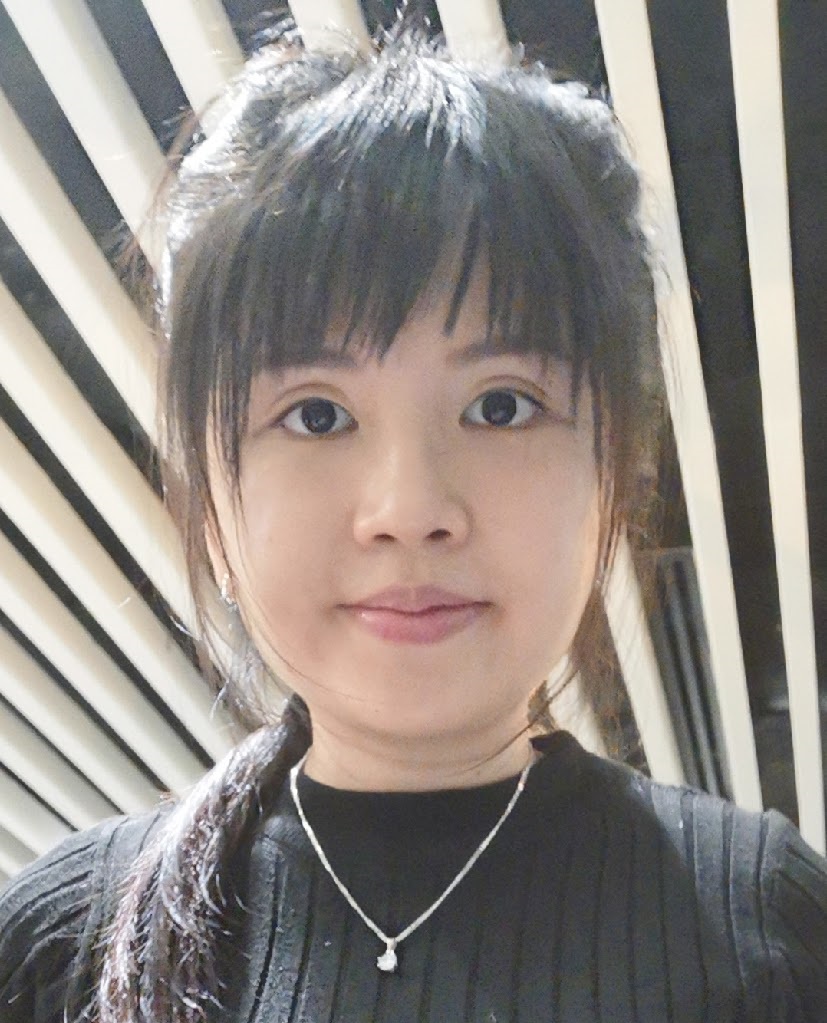
| Ms Alexis Nguoy Lamn Mak Alexis graduated from University of Nottingham with a Master Degree in Mechanical Engineering in June 2015. Following that, she worked as a Technical Support Engineer in Panasonic Malaysia. She has a strong interest in research in the field of Biomedical Engineering. She is currently pursuing her doctoral studies in the School of Engineering, Monash University Malaysia, where she will explore the mass transport phenomena in biological tissues with application in thermochemical ablation. |
| Mr William Tze Hau Lim William graduated with a First Class Honours in Bachelor of Mechanical Engineering (Honours) degree from Monash University in April 2020. He is listed in the Faculty of Engineering Dean’s Honour List and was also a recipient of Monash High Achiever Award. William joins the BEMS group as a PhD student in December 2020. His research focuses on uncovering and elucidating the underlying biomechanical principles involved in the application of ultrasound shear wave elastography for detecting changes in renal tissue stiffness due to the progression of chronic kidney disease. |
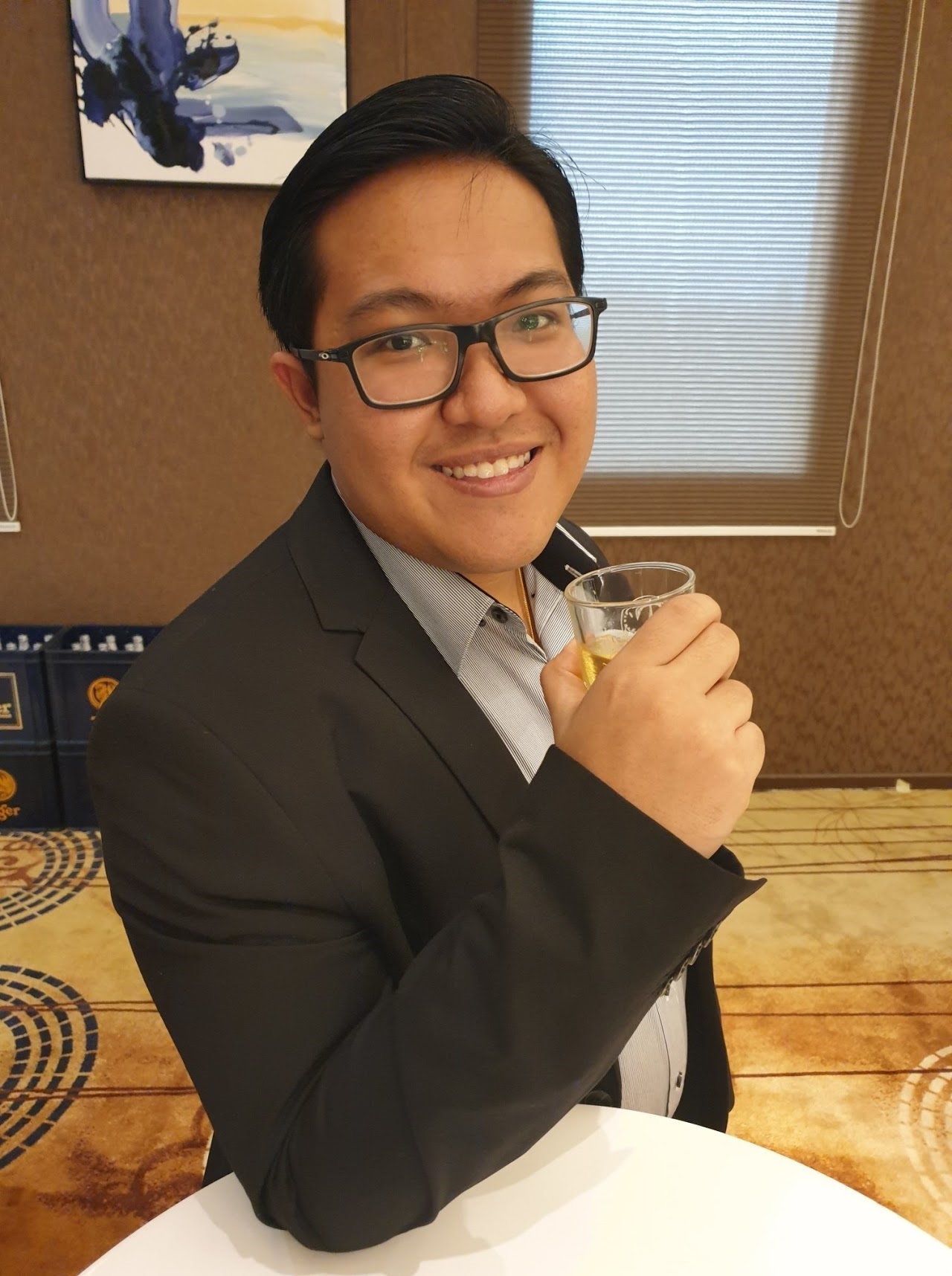
| Mr Jason Kin Kit Cheong Jason obtained his Bachelor Degree in Mechanical Engineering in Monash University Malaysia in 2018. He was first exposed to biomedical engineering during his final year project - on investigating the influence of electrode lengths on the single probe bipolar radiofrequency ablation of the liver. He has since developed an interest in the biomedical engineering field. He was a Research Assistant with BEMS from 2018 to 2019. He is currently pursuing his Master's degree in the School of Engineering, Monash University Malaysia, where he investigates the feasibility of gold nanorods for the thermal treatment of cancer |
Alumni | |
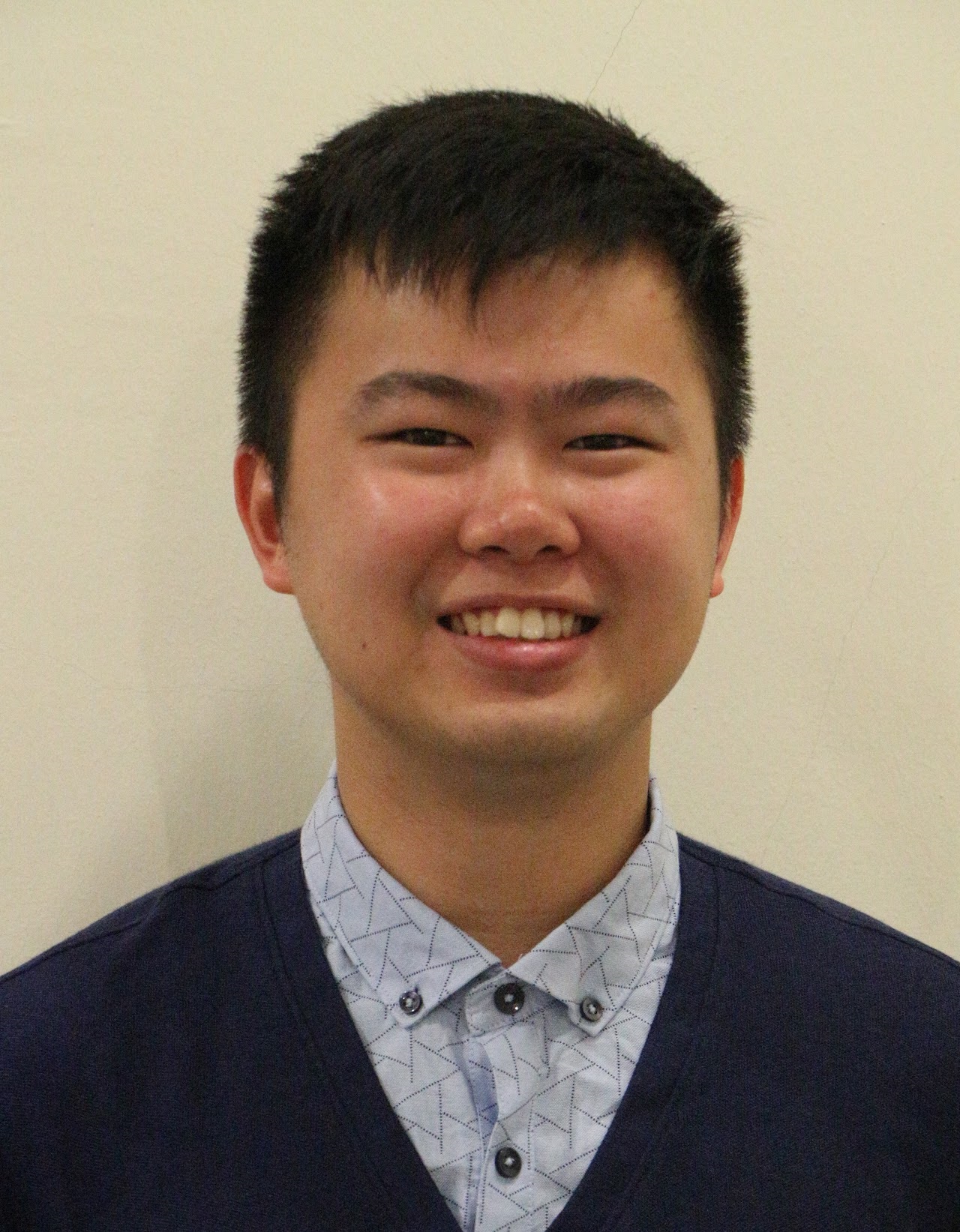
| Dr Antony Seng Kai Kho Antony joined the School of Engineering, Monash University Malaysia as a PhD student in 2018. He graduated with First Class in Master in Engineering in Mechanical Engineering with Honours from University of Nottingham. With research interests in bio-fluid mechanics and mathematical modelling, he joined the BEMS group to investigate the role of saline in enlarging the thermal coagulation zone during saline-infused RFA. He successfully completed his PhD studies in October 2021. |
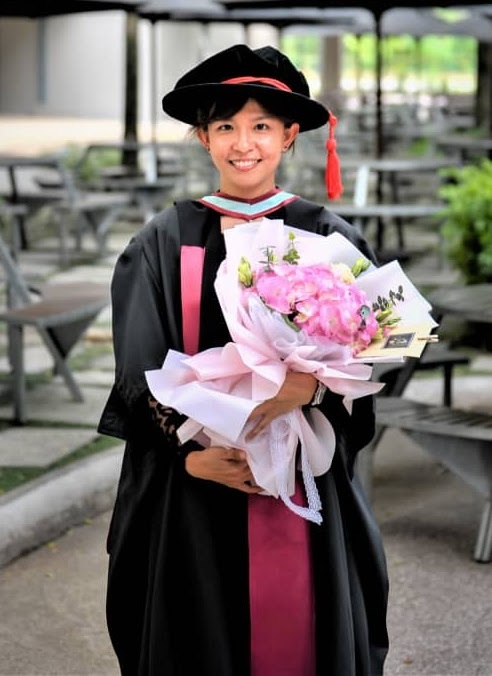 | Dr Chai Yee Loke Chai Yee joined the School of Engineering, Monash University Malaysia as a PhD student in 2015 under the supervision of Dr Ooi. She graduated with a Bachelor of Engineering in the discipline of Mechanical Engineering with Honours from Tun Hussein Onn University of Technology, Malaysia in 2006. Her research focuses on the development of a 3D human eye model using COMSOL Multiphysics for computational fluid dynamics (CFD) and structural mechanics analyses associated with the pathogenesis of glaucoma. Chai Yee successfully completed her PhD studies in February 2019 following the submission of her revised thesis to the university. She is currently a Senior Lecturer in the Faculty of Engineering and Technology, Tunku Abdul Rahman University College. |
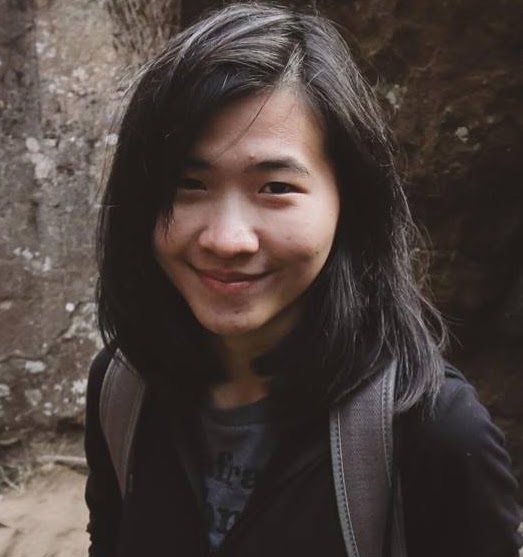 | Ms Shelley Yap Shelley graduated with a Bachelor's Degree in Mechanical Engineering from Monash University. She was a part of the BEMS group in 2017, when she did her final year project. In 2018, she joined the BEMS group to pursue her Master in Engineering Science (Research), where she explored the practicality of bipolar and multipolar radiofrequency ablation for treating liver cancer. In 2020, Shelley successfully completed her Master studies following the submission of her thesis to the university. She is currently working as a Research Engineer in Huawei Technologies. |


Selected Publications
- EH Ooi, V Popov, M Alfano, JKK Cheong, Influence of natural convection on gold nanorods-assisted photothermal treatment of bladder cancer in mice. International Journal of Hyperthermia, 2020, vol. 37 (1), pp. 634-650.
- S Yap, JKK Cheong, JJ Foo, ET Ooi, EH Ooi, The effects of the no-touch gap on the no-touch bipolar radiofrequency ablation treatment of liver cancer: a numerical study using a two compartment model. Applied Mathematical Modelling, 2020, vol. 78 (2), pp. 134-147.
- EH Ooi, KW Lee, S Yap, M Khattab, IY Liao, ET Ooi, JJ Foo, SR Nair, AFM Ali, The effects of electrical and thermal boundary condition on the simulation of radiofrequency ablation of liver cancer for tumours located near to the liver boundary, Computers in Biology and Medicine, 2019, vol. 106 (3), pp. 12-23.
- MT Gallagher, G Cupples, EH Ooi, JC Kirkman-Brown, DJ Smith, Rapid sperm capture: High-throughput flagellar waveform analysis. Human Reproduction, 2019, vol. 34, pp.1173-1185.
- CY Loke, EH Ooi, MS Salahudeen, N Ramli, A Samsudin, Segmental aqueous humour outflow and eye orientation have strong influence on ocular drug delivery, Applied Mathematical Modelling, 2018, vol. 57 (5), pp. 474-491.
- JY Yip, ZQ Tan, ET Ooi, EH Ooi, A two-stage pressure ramping strategy for improving the efficacy of sonothrombolysis: Insights from a microbubble dynamics study, Biocybernetics and Biomedical Engineering, 2026, 46, 471-482.
- ZQ Tan, EH Ooi, YS Chiew, JJ Foo, EYK Ng, ET Ooi, Enhancing sonothrombolysis outcomes with dual-frequency ultrasound: Insights from an in-silico microbubble dynamics study, Computers in Biology and Medicine, 2024, 181, 109061.
- ZQ Tan, EH Ooi, YS Chiew, JJ Foo, EYK Ng, ET Ooi, A computational framework for the multiphysics simulation of microbubble-mediated sonothrombolysis using a forward-viewing intravascular transducer, Ultrasonics, 2023, 131, 106961
Recent Publications
- WTH Lim, EH Ooi, JJ Foo, KH Ng, JHD Wong, SS Leong, Shear wave elastography: A review on the confounding factors and their potential mitigation in chronic kidney disease detection. 2021, Ultrasound in Medicine and Biology, Accepted for publication.
- S Yap, EH Ooi, JJ Foo, ET Ooi, Bipolar radiofrequency ablation treatment of liver cancer employing monopolar needles: a comprehensive investigation on the efficacy of time-based switching. Computers in Biology and Medicine, 2021, vol. 131 (4), pp. 104273.
- ASK Kho, EH Ooi, JJ Foo, ET Ooi, Role of saline concentration during saline-infused radiofrequency ablation: observation of secondary Joule heating along the saline-tissue interface. Computers in Biology and Medicine, 2021, vol. 128 (1), pp. 104112.
- JKK Cheong, EH Ooi, ET Ooi, Thermal and thermal damage responses during switching bipolar radiofrequency ablation employing bipolar needles: a computational study on the effects of different electrode configuration, input voltage and ablation duration. International Journal for Numerical Methods in Biomedical Engineering, 2020, vol. 36 (9), pp. e3374
- E Lim, BL Lan, EH Ooi, HL Low, Pneumocephalus and air travel: an experimental investigation on the effects of aircraft cabin pressure on intracranial pressure. Scientific Reports, 2020, 1362639.
- ZQ Tan, EH Ooi, YS Chiew, JJ Foo, EYK Ng, ET Ooi, A computational study on the use of phase shift to improve dual-frequency sonothrombolysis outcomes, 8th IEEE-EMBS Conference on Biomedical Engineering and Sciences, Penang, Malaysia, 2024, 114-118.
- Federation University Australia
- Ascend Technologies Ltd United Kingdom
- Nanyang Technological University (NTU), Singapore
- University of Nottingham Malaysia Campus (UNMC)
- National Cancer Institute, Malaysia
- Management and Science University
- University of Malaya (UM), Malaysia
- University Malaysia Pahang (UMP)
- Sunway Medical Centre
No content