
Speakers
Plenary Speakers
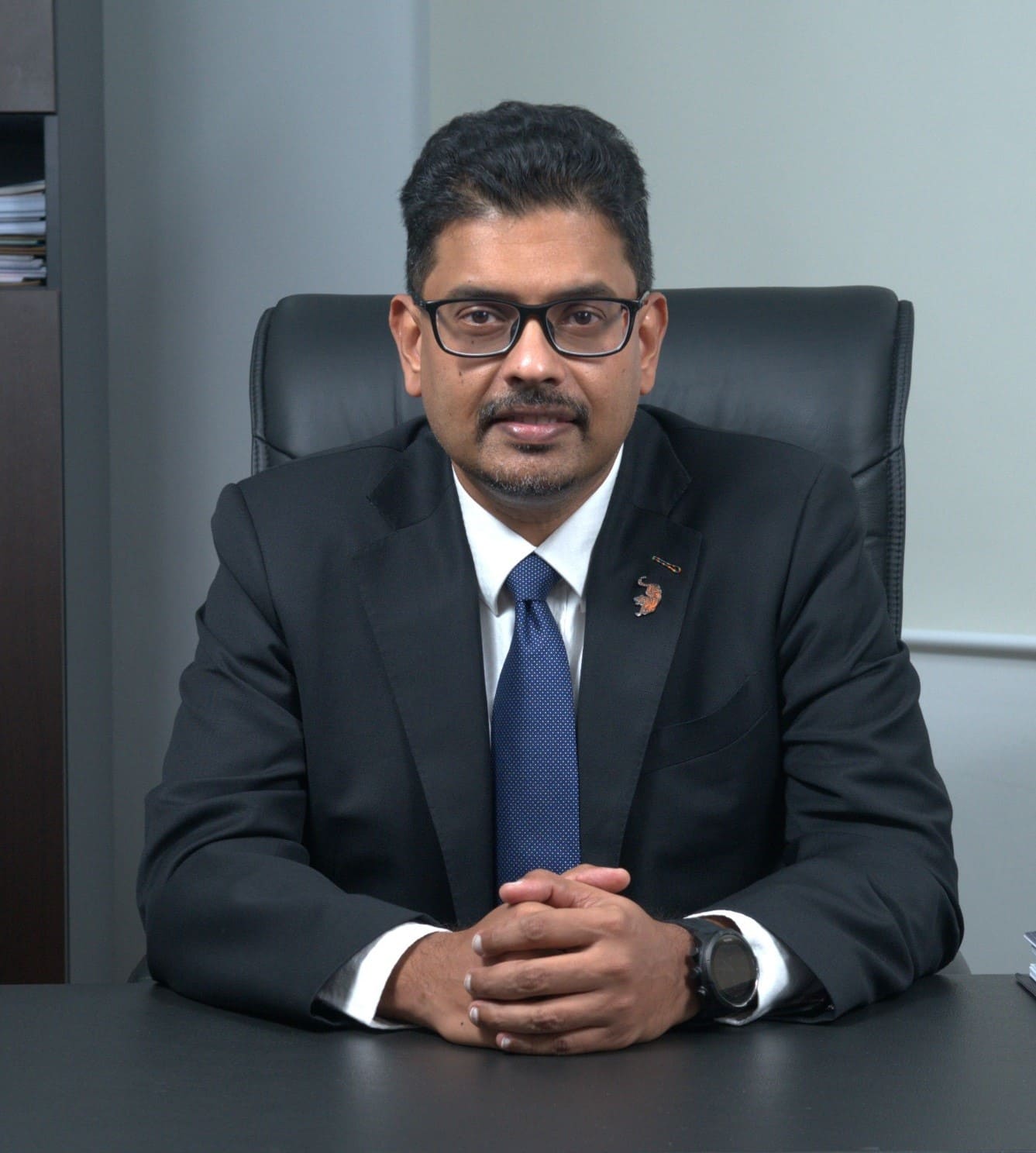
Dato’ Ts. Dr. Gerald Sundaraj is a Malaysian construction and infrastructure expert with over two decades of experience in research, policy, and industry development. He holds a PhD in Construction & Property Management from the University of Salford, Manchester and has led key national initiatives in sustainable construction, digital transformation, and public-private partnerships. Currently serving as State Director of CIDB Kuala Lumpur & Putrajaya, he plays a pivotal role in regulatory and development functions. His expertise spans strategic planning, project management, and innovation, contributing significantly to Malaysia’s construction industry advancement.
Topic: Transforming Construction through CAP 2030: Challenges & Opportunities in Malaysia
Abstract: This presentation explores how Malaysia’s construction sector can be transformed under the Construction Action Plan 2026–2030 (CAP2030), highlighting both the challenges and opportunities ahead. CAP2030 serves as a strategic roadmap aligned with the National Construction Policy 2030, translating national aspirations into actionable initiatives, measurable outcomes, and industry-wide transformation. The session will examine key challenges including digital adoption gaps, workforce readiness, sustainability pressures, and increasing global competition. It will also identify opportunities driven by digitalisation, emerging technologies, ESG integration, and international market expansion. Central to this transformation are five strategic thrusts—quality, safety and health, environmental sustainability, productivity, competitiveness & globalisation, and professionalism—which collectively aim to enhance industry performance and resilience. Ultimately, the presentation will provide insights into how CAP2030 can position Malaysia’s construction industry as a modern, innovative, and globally competitive sector by 2030, while outlining the collaborative efforts required across stakeholders to achieve this vision.
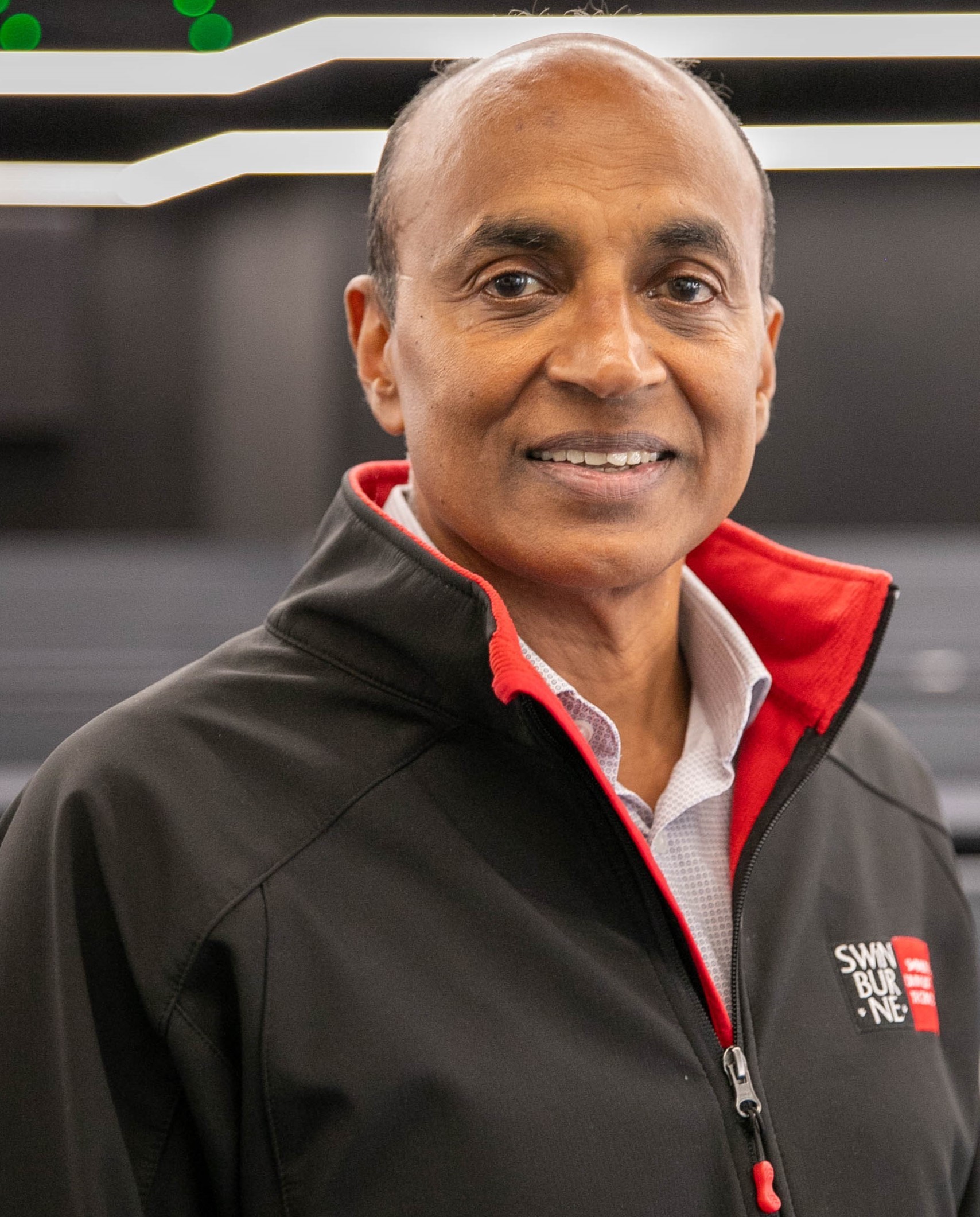
Jay is Professor of Concrete Structures and Director of the Digital Construction Lab at Swinburne University of Technology. In 2018, he established Australia's first 3D concrete printing laboratory, pioneering research in digital construction and low-carbon concrete materials. Under his leadership, the lab has trained five postdoctoral researchers and 14 PhD candidates, producing more than 150 publications and becoming a global leader in both research and commercial applications of 3D concrete printing. Jay has authored over 600 publications in concrete technology, with more than 49,000 citations on Google Scholar and an H-index of 116.
Topic: 3D Concrete Printing: Technology, Applications, and Future Opportunities
Abstract: 3D concrete printing (3DCP) is emerging as a transformative technology with the potential to automate and reshape the construction industry. This presentation provides an overview of the underlying technology, recent advances in printable concrete materials, reinforcement strategies, and practical construction applications. A key challenge in 3DCP is achieving both pumpability and buildability. Recent developments have focused on controlling the rheological properties of printable concretes through admixture optimization, in-nozzle acceleration, thermal activation, and enhanced mixing techniques. The technology also enables the incorporation of sustainable materials, including fly ash, slag, and recycled clay brick waste as partial cement replacements, contributing to reduced embodied carbon. Reinforcement remains a critical area of development. Advances in printable ultra-high-performance concrete (UHPC), including the use of short steel fibres, have significantly improved tensile and flexural performance. In addition, innovative print-head designs capable of integrating steel mesh and textile reinforcement during the printing process have demonstrated improved structural efficiency both within and across printed layers. The presentation will highlight notable real-world construction projects that demonstrate the technical and commercial viability of 3DCP. Current research trends, future development opportunities, and potential pathways for broader industry adoption will also be discussed.
Keynote Speakers
TRANSFORMING CONSTRUCTION
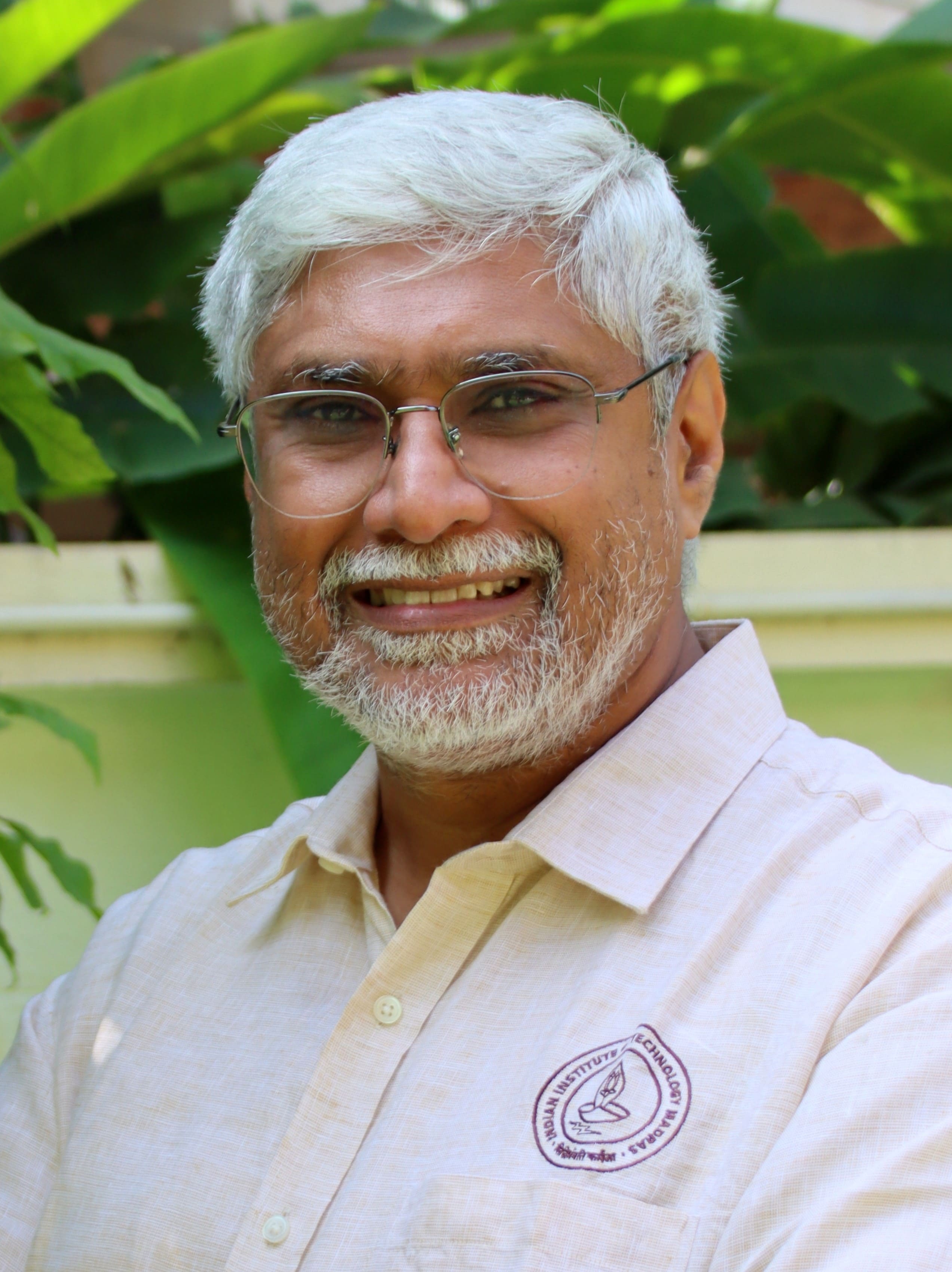
Dr. Ravindra Gettu is the V.S. Raju Chair Professor, Department of Civil Engineering, at the Indian Institute of Technology Madras, Chennai. The areas of research of Dr. Gettu have been fracture mechanics of concrete and rock; nonlinear behaviour of cement-based materials; high strength, textile- and fibre-reinforced, and self-compacting concretes; sustainability assessment, the effective use of chemical admixtures and alternative binders, and concrete tunnel lining and prefabrication for housing. His research has been funded by public organizations, as well as the construction industry, helping him focus on applied research, technology transfer and technology implementation. He has co-authored more than 550 publications, of which more than 140 are peer-reviewed journal papers. He was elected as a Fellow of the Indian National Academy of Engineering in 2018. He is a Past President and Honorary Member of RILEM, the International Union of Laboratories and Experts in Construction Materials, Structures and Systems, based in France.
Topic: Technology Implementation as The Key Impact of Research: IIT Madras approach in the past two decades
Abstract: The presentation highlights how technology implementation has been the key impact of research at IITM over the past two decades, with the intention of embodying values and creating new affordances that shape human behavior. Three major research-to-implementation stories are showcased: Fibre Reinforced Concrete (FRC), Early Age Response of Concrete, and Mixtures with Unconventional Components. The work on FRC has included the development of testing methods, design equations, and standards (IS 17161:2020); large-scale applications; and innovations in fatigue and creep models, inverse analysis for tensile response, and design of precast tunnel linings. In the area of early age response, research has focused on flow, segregation resistance, shrinkage cracking, and thermal stresses, as well as demonstration projects using self-compacting concrete (SCC) and 3D printing. The use of unconventional components in concrete has included the promotion of supplementary cementitious materials (SCMs), recycled concrete, and LC3 (limestone calcined clay cement). Landmark projects such as a coastal bridge in Kerala (125-year life), Ram temple foundation (1000-year design life), and LC3 pavements and tetrapods are discussed for illustration.
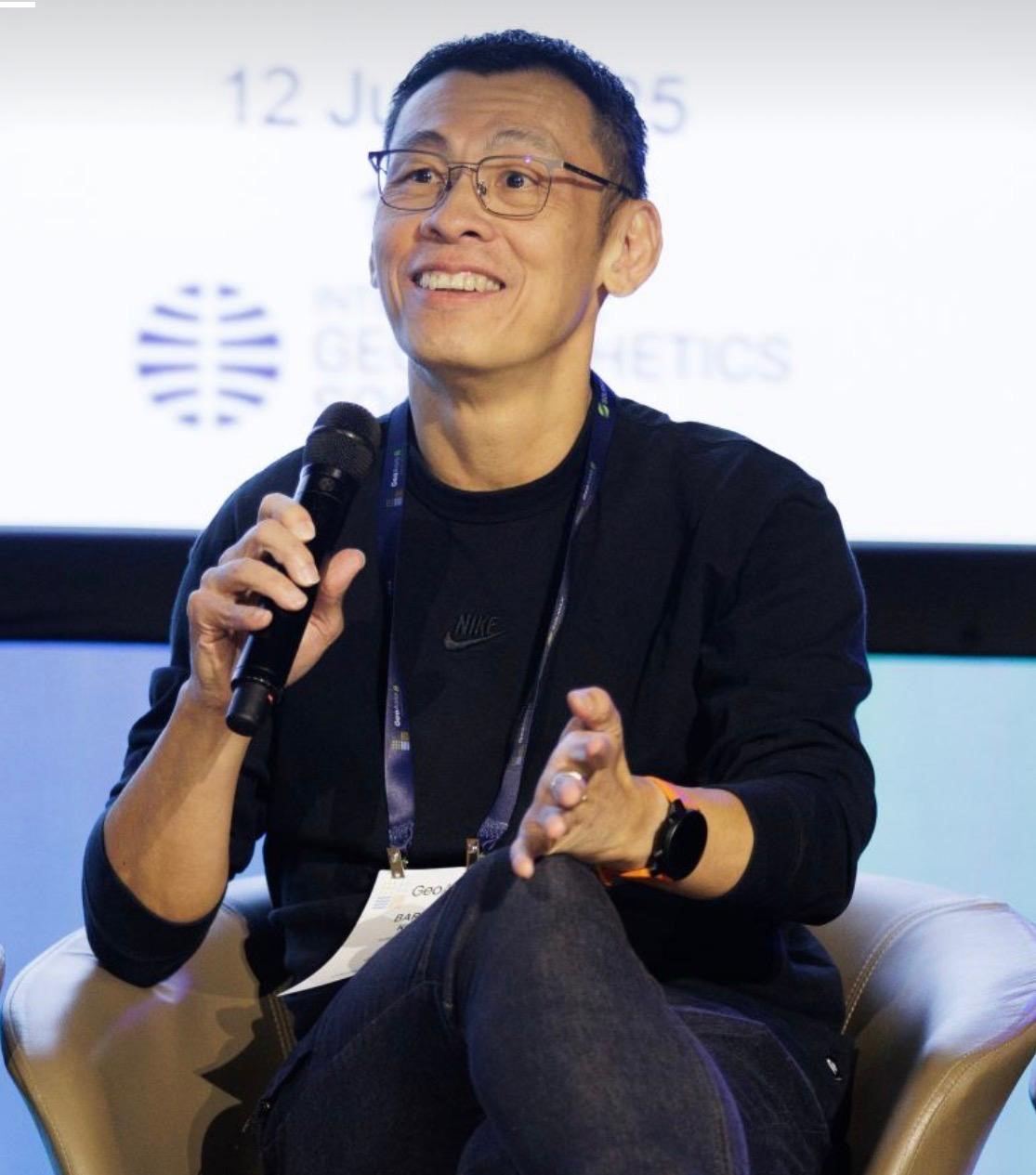
Barry, a Fellow Chartered Professional Geotechnical Engineer with over 26 years of experience, specialises in design review and optimisation during tender and construction phases. He’s known for his innovative and “fit-for-purpose” design solutions and has been responsible for the geotechnical aspects of several major transport infrastructure projects in Australia and internationally. Since 2021, Barry has been an active Industry Fellow and Lead Partner Investigator at University Griffith. He’s been involved in multiple federal-level grants, including the Australian Research Council (ARC) and Innovative Manufacturing CMC. His research focuses on the impact of artificial intelligence and simulation neural networks on soft soils engineering. His primary role is mentoring the R&D team as they prototype industry solutions through proof-of-concept processes and field applications.
Topic: Data and Physics informed Artificial Intelligence for Predicting Consolidation and Settlement of Soft Soils
Abstract: Predicting the consolidation and settlement of soft soils is notoriously uncertain, frequently forcing geotechnical engineers into conservative, costly over-designs. While major infrastructure projects generate massive amounts of monitoring data, this "data exhaust" is rarely leveraged to its full potential. Furthermore, standard "black-box" artificial intelligence solutions struggle to gain industry trust because they lack physical meaning, fail to extrapolate safely, and ignore uncertainty. This research bridges the gap between empirical data and geotechnical theory by developing advanced physics-informed and Bayesian AI models. By fusing heterogeneous field data—from initial site investigations to long-term instrumentation—these models strictly enforce fundamental consolidation laws while explicitly quantifying prediction uncertainty. The project ultimately translates these rigorous AI frameworks into an operational, real-time decision-support predictive model. Designed for seamless integration with the observational method, this model empowers practitioners to move beyond deterministic point predictions. Instead, engineers will be equipped with probabilistic credible intervals to optimize ground improvement, safely reduce surcharging wait times, and drastically minimize the risk of costly post construction remediation.
FUTURE MOBILITY
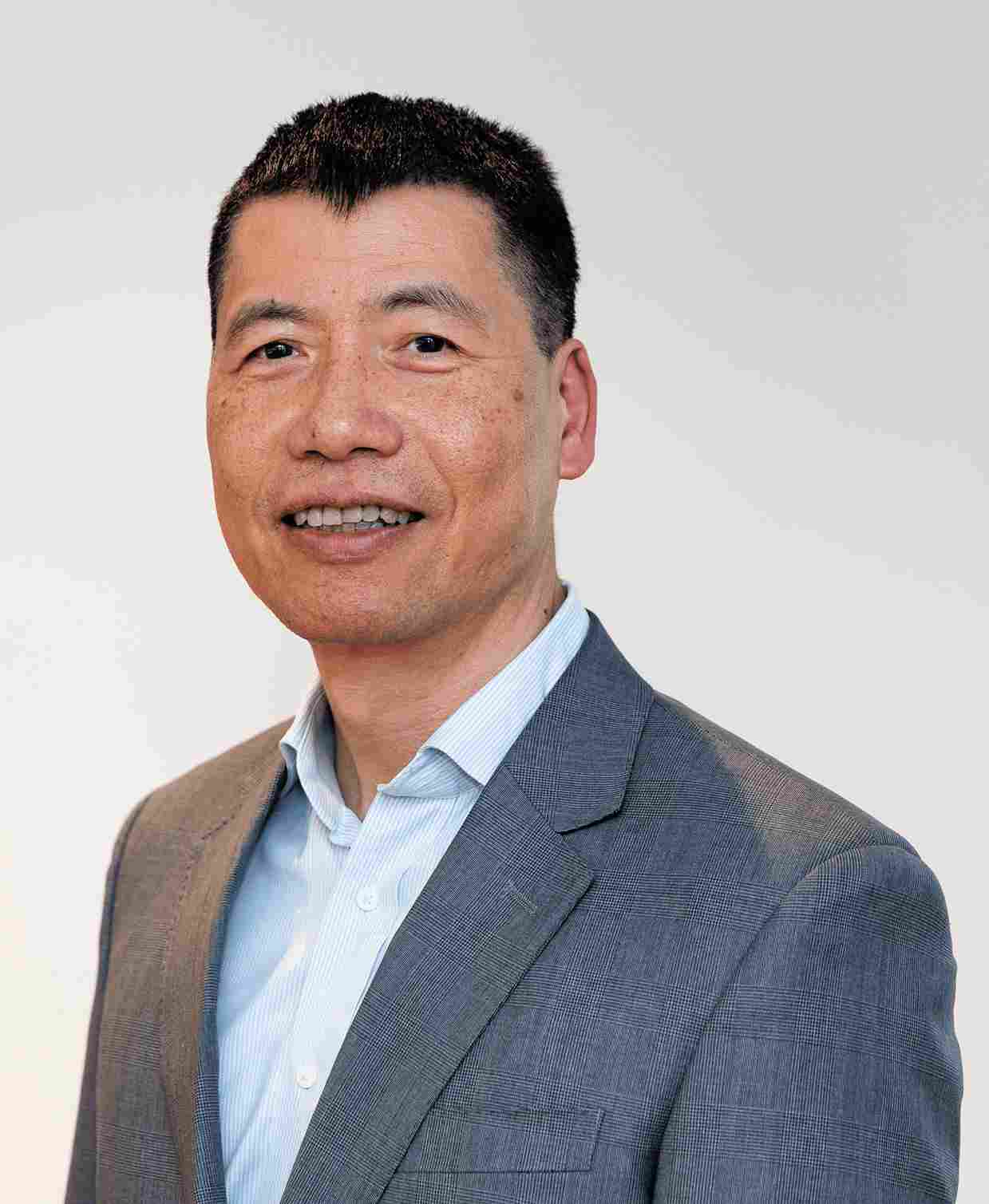
Hai L. Vu is a Professor of Intelligent Transport System (ITS) at the Monash Institute of Transport Studies and Deputy Dean Research in the Faculty of Engineering, Monash University, Australia with 25 years of research experience in several disciplinary areas ranging from modelling, data mining (AI) to simulation and optimisation of complex, large scale telecommunication and road traffic networks. He has published over 250 scientific journals and conference papers, and is listed among the Stanford/Elsevier top 2% world scientists, is a recipient of the Australian Research Council (ARC) Future Fellowship and the Victoria Fellowship Award for his research and leadership in ITS.
Topic: Transport electrification: Challenges and Opportunities
Abstract: While mobility is a cornerstone of economic growth and social inclusion, achieving sustainability requires a shift toward resilient, low-impact transport systems. This keynote argues that realizing energy-efficient and sustainable mobility necessitates moving beyond siloed initiatives in favor of a holistic, integrated approach supported by careful planning and scientific evidence. By bridging the gap between individual behavior and infrastructure requirements, specifically the interplay between electric vehicle usage, grid capacity, and renewable energy, we can develop integrated strategies that ensure clean and accessible transport for all.
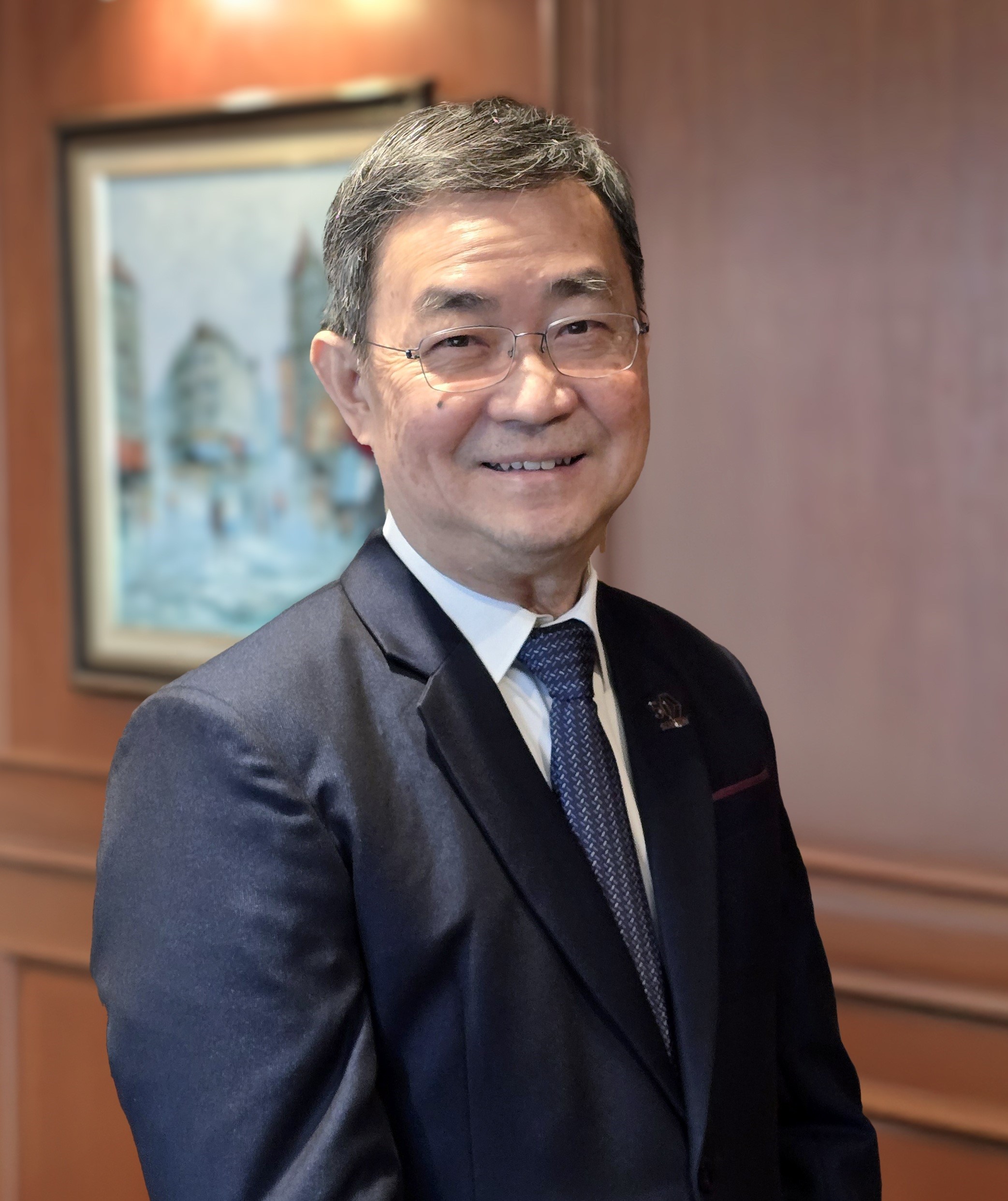
Mr. Ong Pang Yen holds a Bachelor of Engineering (Honours) in Civil Engineering from University Malaya and LLB (Honours) from University of London. Mr. Ong is currently Sunway Group’s Executive Director in the Chairman’s Office overseeing Group Brand Marketing and Communications, Group Occupational Health, Safety and Environment (OHSE), Group Sustainability and ESG agenda. Mr. Ong was appointed by Tan Sri Sir Dr. Jeffrey Cheah KBE AO, Founder and Trustee of the Jeffrey Cheah Foundation (JCF) — Malaysia’s largest education-focused social enterprise foundation — as a Member of the Foundation and its Management Committee. In these capacities, Mr. Ong works closely with fellow committee members to shape the Foundation’s strategic priorities, strengthen governance frameworks, and support the Board of Trustees in charting JCF’s long-term vision. Mr. Ong served Malaysia’s Public Works Department for eight years before joining Sunway Group as a Resident Engineer in 1993. He was soon actively involved in Sunway Group’s pioneer overseas investment projects across Cambodia, Zimbabwe, South Africa, Australia, India and China. In 2013, Mr. Ong assumed the role of Joint Managing Director of Sunway Property Development division, Malaysia/Singapore. In 2015, Mr. Ong was appointed the Executive Director of Monash University Malaysia, which was a joint venture between Sunway Group and Monash Australia, to oversee its operations in Malaysia, before re-joining Sunway Group to assume his current role in the Chairman’s Office.
Topic: Building Sustainable Cities: Lessons from Sunway City Kuala Lumpur
Abstract: Cities today face the dual pressures of climate change and rapid urbanisation, making sustainability the defining priority in urban planning and development. Sunway City Kuala Lumpur offers a compelling case study of how intentional design can transform a township into Malaysia’s first fully integrated, green, and low‑carbon city. Central to this transformation is a network of elevated, covered canopy walkways and an elevated Bus Rapid Transit (BRT) system that connects the township to two major rail stations. These are complemented by a smart parking system with 10,000 bays and an extensive electric vehicle charging network. Together, these initiatives reduce car dependency, lower emissions, and reshape commuting behaviour. The results are measurable. A 2022 study by Monash University Malaysia and Sunway University found walking to be among the top three commuting modes within the township. Carbon impact assessments further estimate that the canopy walkway network alone reduces more than 220,000 kilograms of emissions annually, equivalent to planting over 10,000 mature trees each year. Beyond infrastructure, Sunway City demonstrates how businesses can embed the UN Sustainable Development Goals and ESG principles into corporate strategy. The case proves that sustainability and profitability are not trade‑offs, but mutually reinforcing imperatives for resilient, human‑centered urban living.
EXTREME HYDROCLIMATICS
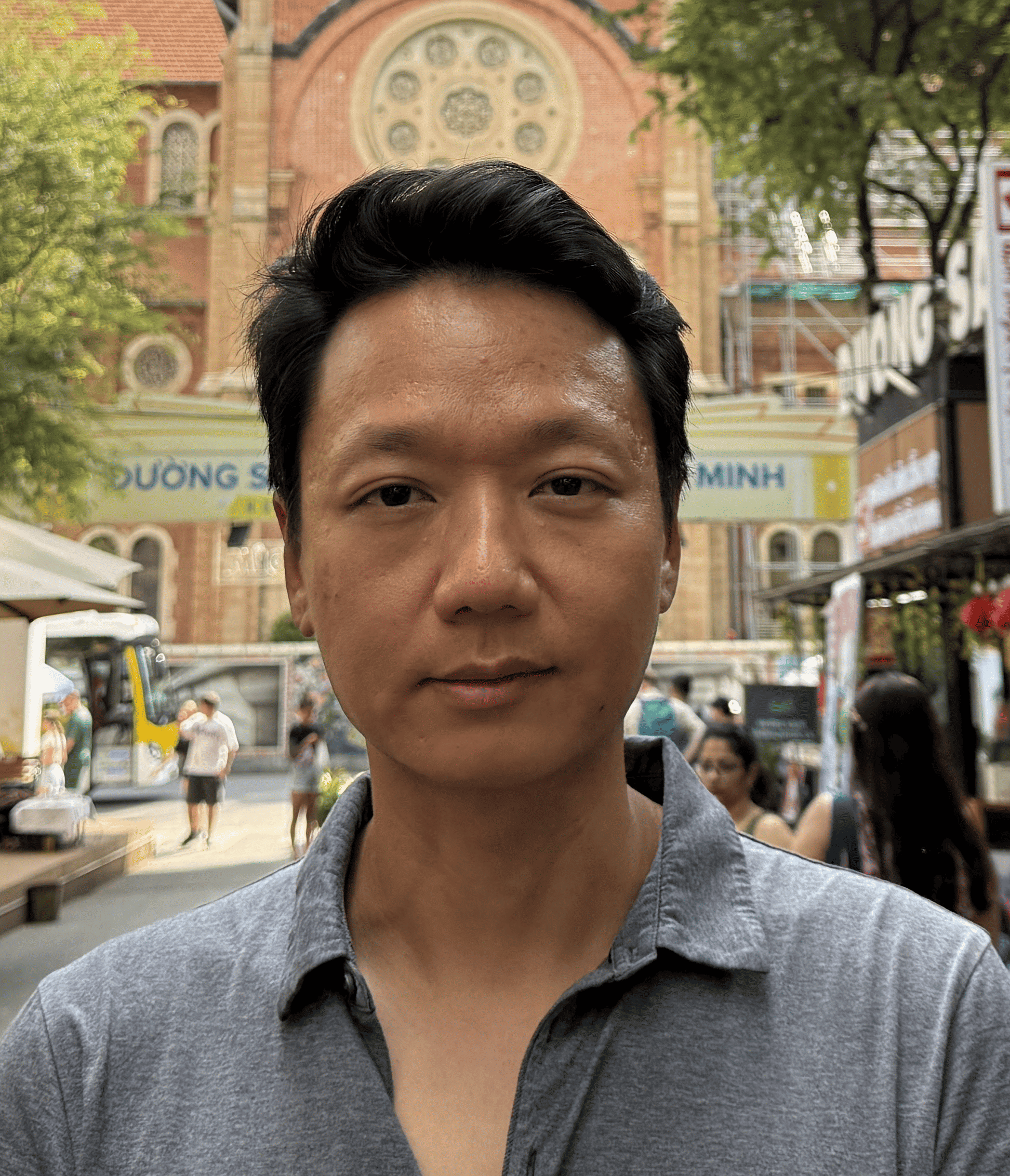
Dr Edward Park (PhD UT-Austin, 2017)’s research has advanced a quantitative framework for anthropogenic forcing in tropical river and delta systems. His work produced the first mechanistic sediment budgets of sand mining in the Mekong Delta and demonstrated its link to incision-driven salinity intrusion, reframing sand extraction as a first-order geomorphic driver in delta evolution. He is widely recognized as a leading expert on the Mekong River system and among the most published researchers globally in Mekong geomorphology (Scopus/SciVal). The present proposal extends this trajectory from quantifying forcing to defining system-level stability thresholds. This progression is reflected in recognition from institutional to global levels, including the Nanyang Research Award (2023), CAS PIFI Distinguished Scientist (2025), and the International Association of Geomorphologists Early Career Medal (2026). Ranked among Stanford University’s top 2% of scientists since 2023, he has published 120+ Q1 articles (h-index 35; >5,000 citations), secured >S$3.5M in competitive funding as PI, serves as Associate Editor of leading journals including the Journal of Hydrology, represents Singapore in the IAG, and supervises 5 PhD students.
Topic: Sustainable sand harvesting: balancing development needs and environmental impacts
Abstract: Rapid urbanization has driven intensive sand dredging from rivers, causing widespread ecological degradation. Yet effective tools to regulate extraction remain limited. This keynote presents a modeling framework to identify Sustainable Sand Mining Zones (SSMZ) that balance development needs with environmental protection. Using the Vietnamese Mekong Delta, the framework integrates field observations, hydrodynamic and sediment transport modeling (Delft3D FM coupled with SWAN), and multi-criteria decision analysis. Key controls include river morphology, sediment replenishment, salinity intrusion, ecological constraints, and observed mining intensity from field surveys (up to 9 boats km⁻²). The calibrated model produced a 40-m resolution suitability map identifying optimal extraction zones with sustainable extraction rates of 1–5 tons per month per site. Results indicate that only ~12–15% of the river network is suitable for sustainable extraction. Suitable zones cluster mainly in mid-channel reaches and sediment-replenishing sections, while riverbanks and infrastructure corridors are excluded. Temporal simulations further show that viable SSMZs have shifted downstream by ~20–30 km over the past decade, reflecting changing sediment supply and channel morphology. These results demonstrate how targeted zoning can reduce ecological risks while maintaining controlled extraction, offering a practical pathway toward sustainable sand harvesting in river systems worldwide.
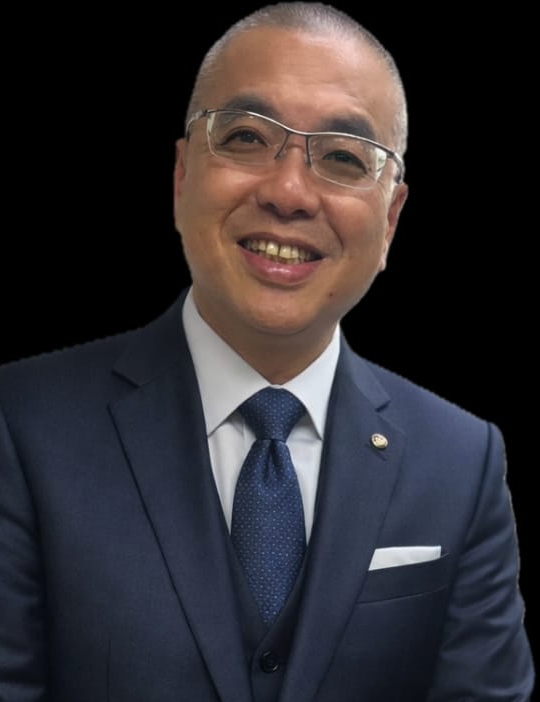
Ir Dr Lim Foo-Hoat earned his Master of Engineering and Doctorate from Nanyang Technological University in 1995 and 1998, respectively. Dr. Lim now specialises in hydrology, hydraulics, water resources and coastal engineering. His experience in dam hydraulic and water resources studies includes the Sungai Kinta Dam, Sungai KelaIong Dam, Mengkuang Dam, Brunei Water Demand and Resources Study, Bakun Hydroelectric Project and Nam Sane 3 Hydropower Project. He also designs all coastal projects undertaken by the company, which includes breakwaters, revetment, dykes and the like.
Topic: Climate Disaster and Geohazard Resilient Assessment For Urban Planning
Abstract: This study presents a geohazard resilience assessment framework developed for a Malaysian state, addressing sea level rise, coastal erosion, flooding, landslide instability, and peat fire. Using historical and projected datasets—including peat soil maps, MIKE21 coastal hydraulic models, HEC-RAS flood models, sea level rise projections, and terrain slope—we identified hazard-exposed areas and produced a spatial geo-disaster inventory and risk zone plan. Resilience components were defined across four domains: urban systems (hardened energy grids, flood-resistant drainage, robust transport networks, hospitals, police stations, telecoms, and rescue departments), communities, development structures, and administrators. GIS computation automated workflows to overlay resilient infrastructure layers and generate two novel indexes: the Climate Disaster Resilient Index and the Geohazard Resilient Index. These indexes directly inform landuse planning and disaster prevention. Outcomes include (i) identification of geohazard causes and impacts on development, (ii) spatial risk zone mapping by hazard type, (iii) best practice guidelines from Malaysia and abroad, (iv) specific planning guidelines for geohazard risk zones, and (v) a management and implementation mechanism. The framework transforms geohazard science into actionable planning approval orders, offering a replicable model for disaster-resilient urban governance in tropical coastal regions.
DIGITAL SUSTAINABILITY
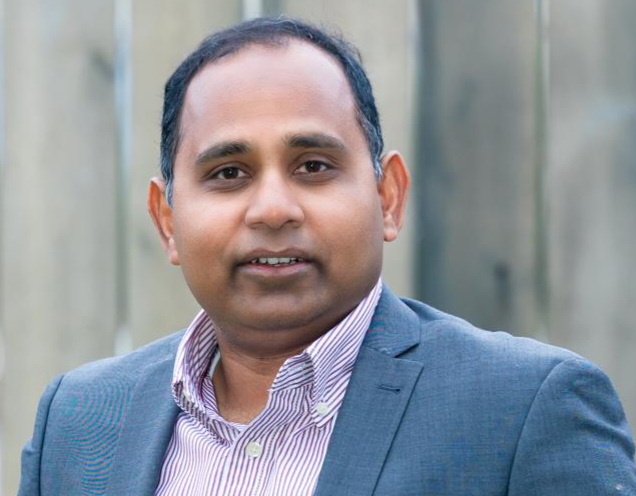
Pat Rajeev is Professor and Chair of Civil and Construction Engineering at Swinburne University of Technology, Melbourne, and Director of the Trimble Technology Lab. His research expertise spans infrastructure asset management, advanced concrete materials, digital construction technologies, and structural health monitoring. With a strong focus on innovation and sustainability, he has led numerous multidisciplinary projects that integrate sensing, automation, and data analytics into modern construction practices. His work in 3D concrete printing explores the development of rheological control for extrusion stability, novel printable cementitious composites, and the optimisation of layer bonding and mechanical performance in printed structures. His research contributes to the transformation of traditional construction methods toward more sustainable, automated, and material-efficient systems. He has published widely in leading international journals, collaborated with industry and research partners across Australia and abroad, and supervised many higher-degree research students in advanced construction materials and smart infrastructure systems. Over his career, he has published more than 200 international journal and conference papers, with over 6,000 citations and an h-index of 42. He is listed among the top 2% of scientists in the world for his scholarly contributions. He has led numerous successful research projects with total funding exceeding $18 million, and he is a Fellow of Engineers Australia.
Topic: Sustainable Construction through 3D Concrete Printing Technology
Abstract: Sustainable Construction through 3D Concrete Printing (3DCP) Technology highlights the potential of additive manufacturing in addressing productivity, resource efficiency, and carbon reduction challenges in the construction sector. By enabling automated, formwork-free, layer-by-layer fabrication of cementitious materials, 3DCP construction reduces material waste, shortens construction timelines, and may expand structural and architectural design possibilities. This presentation will discuss the recent advances in 3DCP research, including material-level research covering rheology, pumpability, sustainability and also structural performance assessments especially for building applications.
CORPORATE SUSTAINABILITY
Dr Mohan V Avvari is Professor, Deputy Head (Engagement & Impact) and Interim Deputy Head for Research at the School of Business, Monash University Malaysia. Prior to joining Monash, Mohan was with the University of Nottingham Malaysia. At Monash, he oversees the school’s external engagement agenda for driving impact projects. Mohan strongly believes Asian businesses, in their own unique ways, can provide innovative solutions to society's problems while also generating economic/financial gains. He has nearly 30 years of academic experience, and his research is underpinned by the concept of Innovation Systems (investigating inter-organizational linkages of business organizations for innovation and also sustainability-oriented business strategies). He has experience in conducting fieldwork-based multi-country research projects, publishing his work in international journals, and producing reports for international agencies.
Topic: Circular Economy Innovations in Businesses – Gleanings from regional case studies with lessons for Climate Resilient Infrastructure
Abstract: The circular economy (CE) has emerged as a transformative model for nations and businesses seeking to align production and consumption with sustainability principles. Within this framework, economic activities are designed to maximise the value of materials and products through practices such as sharing, leasing, reusing, repairing, refurbishing, and recycling (European Parliament). These processes extend product lifecycles and minimise resource extraction and waste generation. Across Asia, and particularly within the ASEAN region, there is increasing policy momentum to support the transition toward circular economic systems. Regional initiatives, including the ASEAN Circular Economy Framework, alongside national-level strategies, demonstrate a growing commitment to sustainable development pathways. In parallel, businesses are adopting innovative circular economy practices and developing new business models that prioritise different aspects of resource efficiency. Drawing on case studies of some circular economy related innovations in business enterprises and also from some grassroots initiatives, this presentation hopes to provide some practical illustrations relevant to practitioners and policymakers, particularly in relation to advancing climate-resilient infrastructure and as a pathway to overall sustainability.