
International Conference on Antimicrobial Resistance & Genomics 2025
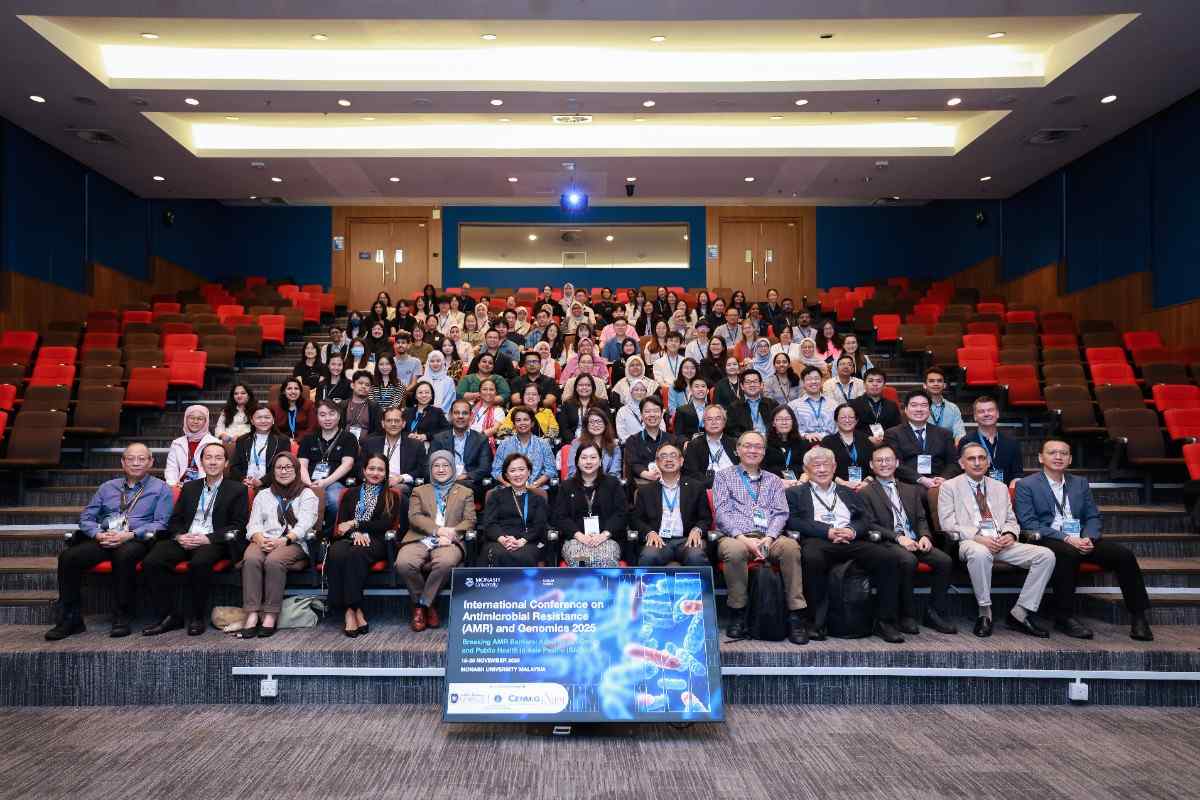
The International Conference on Antimicrobial Resistance & Genomics 2025 (ICAMR 2025) was successfully held from 18 to 20 November 2025 at Monash University Malaysia (MUM).
Organised by MUM in collaboration with the National Institutes of Biotechnology Malaysia (NIBM), Universiti Sultan Zainal Abidin (UniSZA), and Mahidol University, the conference brought together leading researchers, practitioners, and subject-matter experts to advance regional dialogue on antimicrobial resistance and genomics. The event recorded the participation of more than 100 delegates from 14 countries covering Australia, Bangladesh, Czechia, Hong Kong, India, Indonesia, Malaysia, Nigeria, Philippines, Singapore, Thailand, United Arab Emirates, United Kingdom and Vietnam.
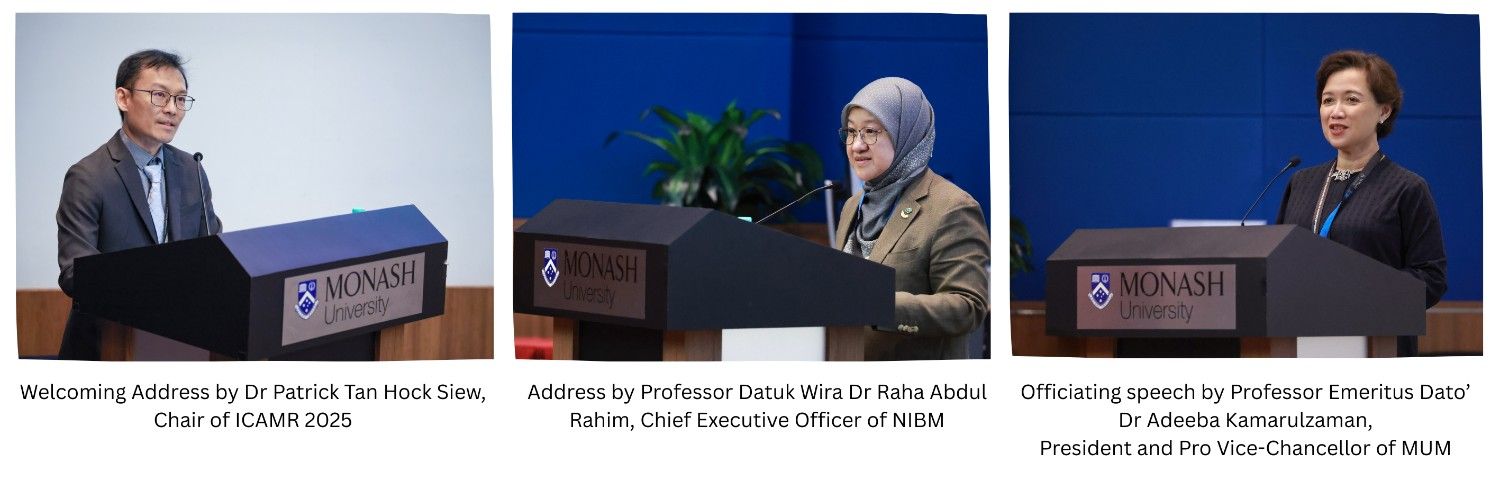
The opening ceremony on 18 November commenced with a welcoming address by Dr Tan Hock Siew, Chair of ICAMR 2025. This was followed by an address from Professor Datuk Wira Dr Raha Abdul Rahim, Chief Executive Officer of NIBM, and the officiating speech delivered by Professor Emeritus Dato’ Dr Adeeba Kamarulzaman, President and Pro Vice-Chancellor of MUM.
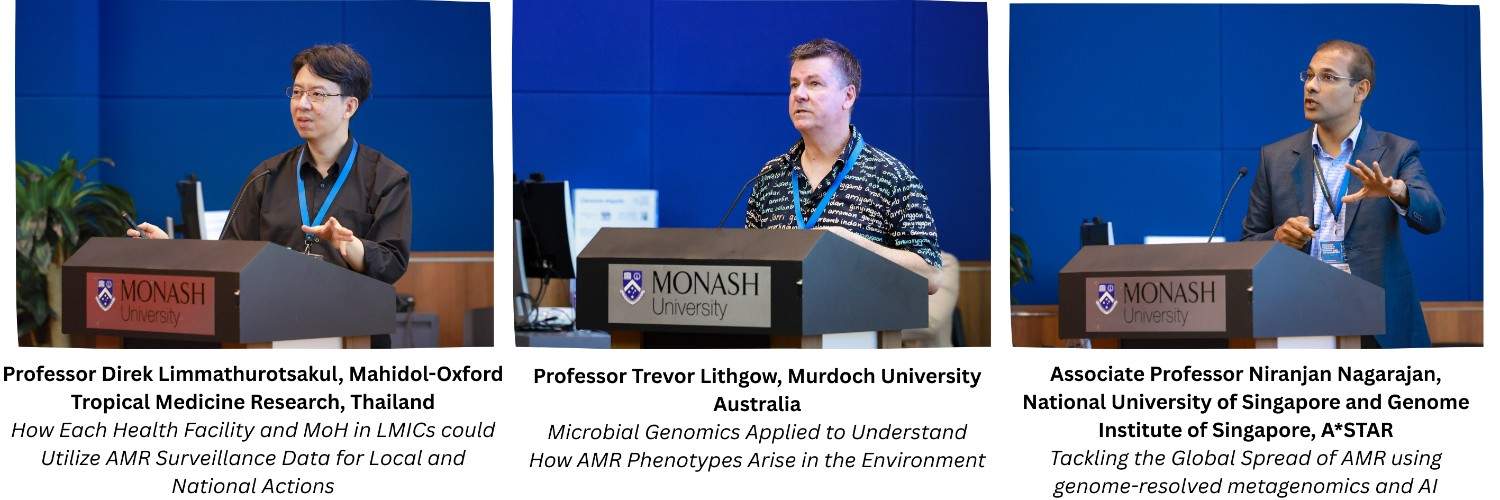
Across the three-day programme, the conference featured three plenary lectures and seven keynote presentations aligned with thematic focus areas.
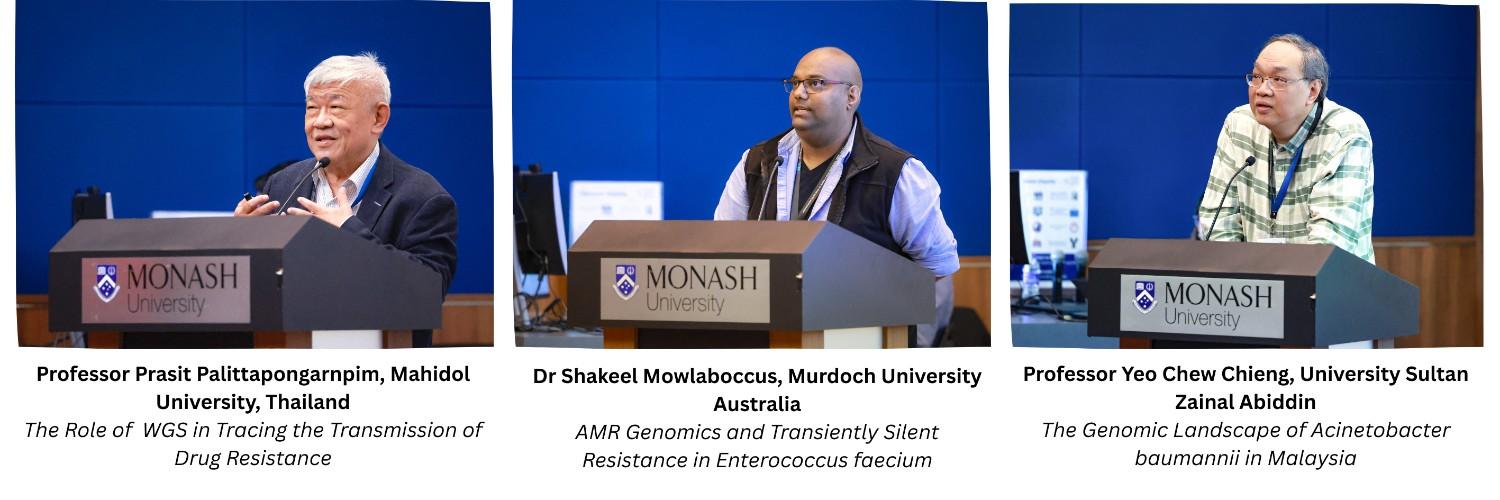
Day 1, themed Public Health and AMR, included a plenary lecture by Professor Direk Limmathurotsakul and keynote presentations by Associate Professor Niranjan Nagarajan, Professor Prasit Palittapongarnpim, and Dr Shakeel Mowlaboccus.
Day 2, themed Microbial Genomics and AMR, began with a virtual plenary lecture by Professor Geoffrey Coombs via Zoom, followed by keynote presentations from Professor Yeo Chew Chieng and Associate Professor Soraya Chaturongakul.
Day 3, themed AMR Therapies and Stewardship, featured expert insights from Professor Trevor Lithgow, Professor Anton Peleg, and Professor Sasheela Sri La Ponnampalavanar.
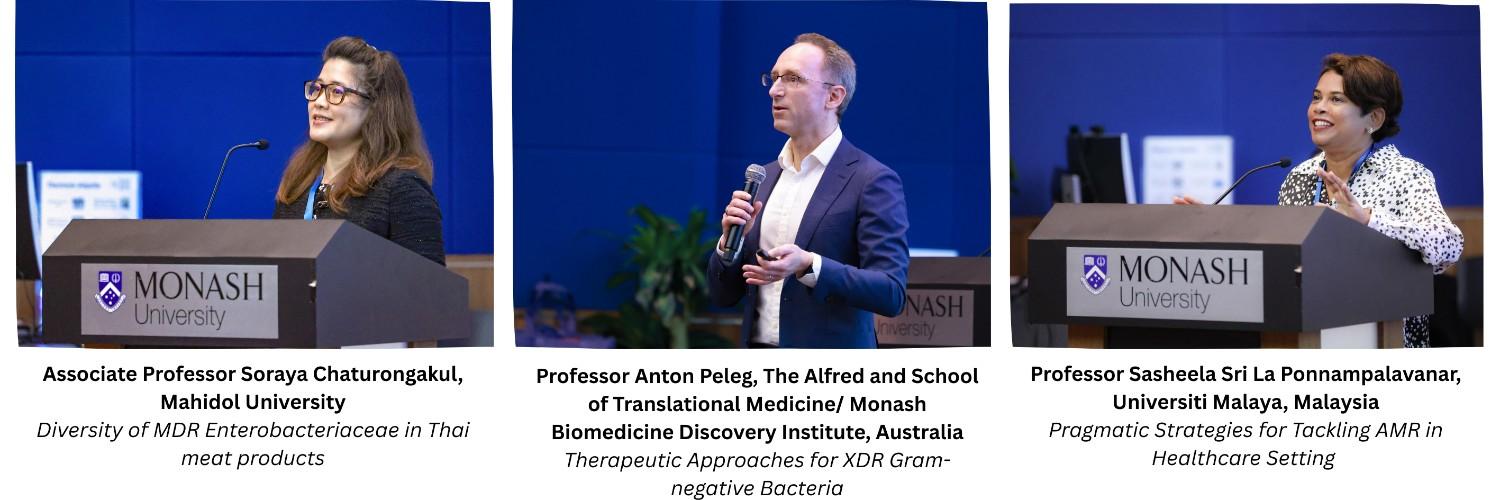
The conference successfully fostered interdisciplinary discussions among the regional experts necessary to “Break AMR Barriers”. Each conference day concluded with a forum session, providing a structured platform for panel discussions and enabling participants to engage in dialogue, seek clarification, and consolidate key takeaways from the technical sessions. The forum participants left with a strengthened understanding of how next-generation 'Omics' data can be translated into targeted public health and interventions across the Asia-Pacific.
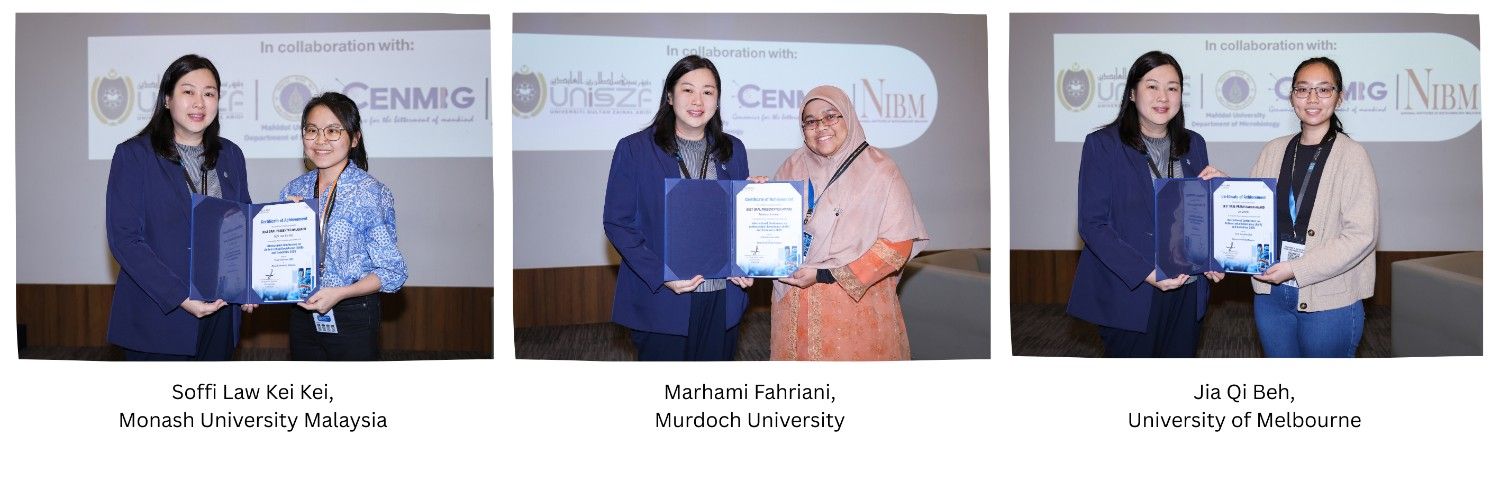
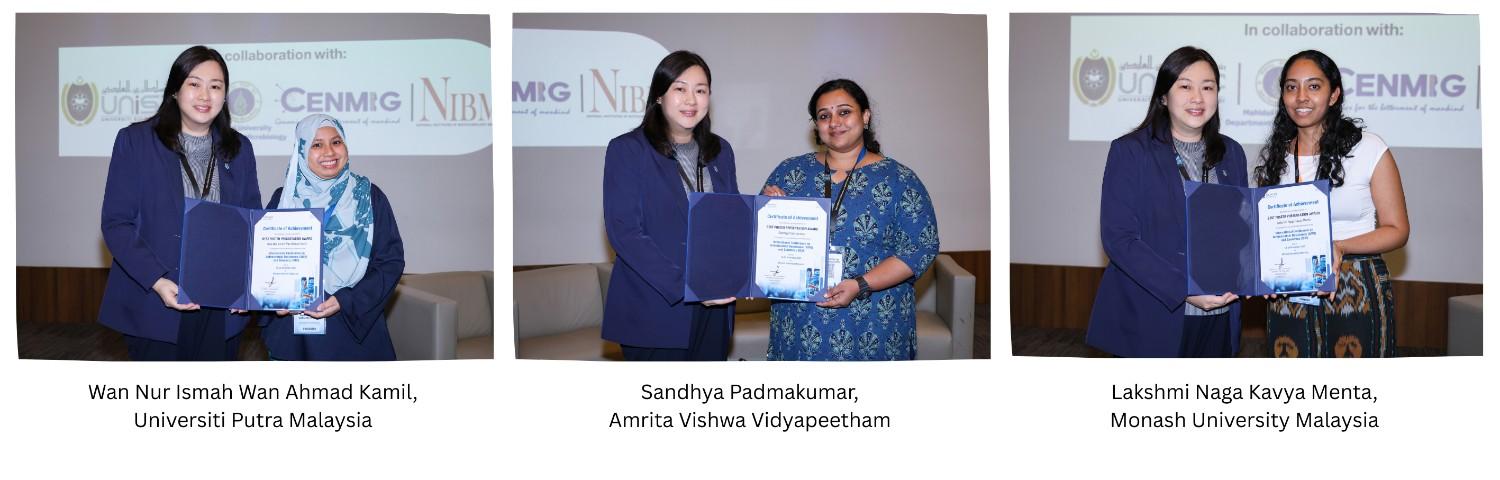
In addition to the invited lectures, the conference hosted 13 oral presentations and 25 poster presentations from researchers, industry representatives, and postgraduate students. The organisers extend their congratulations to the recipients of the Best Oral Presentation and Best Poster Presentation awards for their outstanding contributions.
Best Oral Presenters:
Best Poster Presenters:
The conference concluded with closing remarks by Professor Emily Goh Joo Kheng, Head of School of Science. The School of Science conveys its sincere appreciation to all members of the organising committee for their commitment and effort in delivering a successful and impactful event.