
Advancing Supramolecular Chemistry: Shaping the Technologies of the Future
Imagine a world where tiny, invisible forces work together to create life-saving chemicals/drugs, clean our environment, and even store energy from the sun. It is the fascinating reality of supramolecular chemistry, a branch of science that is transforming the way we understand and interact with the molecular world.
Supramolecular chemistry is the study of interactions and assemblies beyond the molecule, focusing on the complex systems where molecules connect through subtle forces rather than the strong chemical bonds that hold most things together. In supramolecular chemistry, molecules come together through weaker, non-covalent interactions, such as hydrogen bonding, van der Waals forces, and electrostatic interactions. These forces, while weaker than covalent bonds, play a crucial role in the formation of intricate structures and functions at the molecular level. Think of molecular magnetism, where molecules are drawn together to create new structures without being permanently fused. It is like how magnets on your fridge attract each other—they come together but don’t merge into a single entity. This delicate balance of attraction and separation is at the core of supramolecular chemistry.
Dr Irene Ling’s early attraction with supramolecular chemistry laid the foundation for her illustrious career. She was captivated by the potential of this discipline to create sophisticated structures with new and unique properties, and she dedicated her studies to understanding these intricate processes. One of the most iconic and influential molecules that she has worked with is the calixarene macrocycles.
These fascinating molecules are shaped like tiny cups and are renowned for their ability to recognize and capture smaller molecules within their cup-like structures. This process, known as molecular recognition, is the ability of calixarenes to selectively bond with specific molecules, much like how a hand fits perfectly into a glove. The structure of calixarenes allows them to form host-guest complexes, where the "host" calixarene encapsulates the "guest" molecule. These molecules have the potential to be used as smart molecular machines with exceptional properties, making Dr Ling’s work highly relevant to cutting-edge scientific advancements.
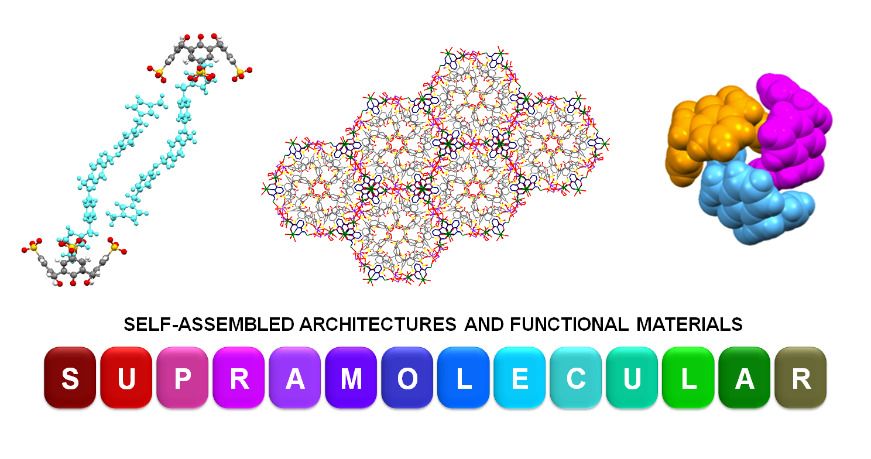
Dr Ling demonstrated creativity and problem-solving skills, leading to several discoveries in her career. She has found ways to modify these molecular cups to attract and bind different types of molecules making the calixarenes highly versatile. One of the most promising applications of modified calixarenes is in environmental protection. For example, calixarenes can be engineered to detect and remove harmful pollutants from water. Calixarenes can be designed to be highly sensitive to detect trace amounts of contaminants, helping to prevent environmental damage before it becomes critical.
This application has significant implications for water purification and environmental monitoring, contributing to cleaner and safer ecosystems. Another notable achievement is where she showed great potential of using these smart molecules in medicine, particularly in drug delivery. The ability of calixarenes to selectively bind specific molecules can be harnessed to transport drugs to precise locations within the body. Imagine a calixarene loaded with a therapeutic drug, navigating through the bloodstream. Upon reaching its target—whether it be a specific organ, tissue, or even a particular type of cell—the calixarene releases its payload, delivering the drug exactly where it is needed. This targeted delivery system not only increases the effectiveness of the treatment but also reduces potential side effects by sparing healthy cells and tissues from unnecessary exposure to the drug. Dr Ling has also made significant strides in developing self-assembling materials for advancements in renewable energy. She designs sophisticated macrocycles that can capture and store energy from sunlight. These macrocycles can be used in the development of solar energy technologies, where they play a crucial role in converting sunlight into usable energy.
Dr. Ling’s contributions to supramolecular chemistry have not only advanced the field but also demonstrated the transformative power of science in addressing global challenges. Her innovative research continues to push the boundaries of what is possible. Her work has been recognized with several awards, including the Royal Society Newton Fund, Eurobusiness-Haller Poland Award, to name a few.
Contact: Dr. Irene Ling
Phone: 03-55146113
Email: ireneling@monash.edu