
Water Pollution: Heavy Metals and Microplastics
Freshwater resources are essential for sustaining life, yet they face growing threats from water pollution. This is exacerbated by the increased frequency of urban flooding due to climate change, which introduces terrestrial pollutants—including heavy metals and both micro- and macroplastics—into our water systems.
Heavy metal contamination poses significant risks to both environmental health and human safety. The continuous uptake of metals by aquatic living organisms leads to bioaccumulation and biomagnification, which are metal build-up in one single organism’s body over time, and the increase in metal concentration across trophic levels respectively.
Microplastics in the aquatic environment, due to their durability and persistence, do not biodegrade naturally, but rather only disintegrate or fragment into smaller pieces, thus considered as effectively non-biodegradable. The fragments would either be suspended in the water column (floating or drifting), or sink to the sedimentary beds due to biofouling – the accumulation of microorganisms or algae on the plastic surfaces, increasing its density.
Microplastics in aquatic environment bring about not only physical, but chemical and biological hazards to living organisms. Microplastics ingestion by living aquatic organisms causes physical damage, while simultaneously transfers attached pollutants and microbial pathogens to ingesting organisms. Continued metal accumulation can lead to toxicity; whereas attached microbial pathogens lowers host immunity and promotes infections. These attached pollutants and pathogens could potentially enter the food webs with human beings as the final consumers.
Case Study: Tasik Taman Aman, Petaling Jaya, Selangor
Tasik Taman Aman, Petaling Jaya, Selangor is an important green space that blends a recreational capacity for the local residents while holding significant ecological value. Its expansive walking trails, jogging paths, and picnic areas provide a tranquil environment for relaxation and fitness; whereas the lake holds ecological importance in climate regulation and habitat for local flora and fauna.
However, on the 5th October 2023 and 15th January 2024, the lake was reported due to concerns about declining water quality, excessive algae growth, and litter (The Star: Upgrades at Taman Aman park not up to standard and The Star: Public parks in need of monitoring respectively). The growing concern was that the issue might affect the surrounding community. As pollutants enter the river, the water quality declines, affecting not only aquatic life but also the health and well-being of communities relying on it.

Figure 1 Excessive algal growth observed in the lake of Taman Aman
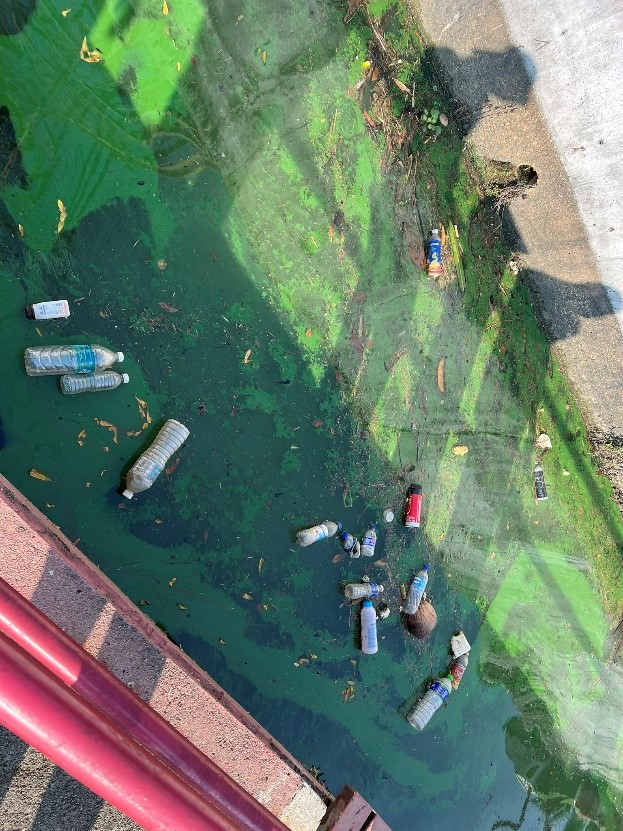
Figure 2 Plastic waste (bottles and wrappers) found alongside high algal biomass.
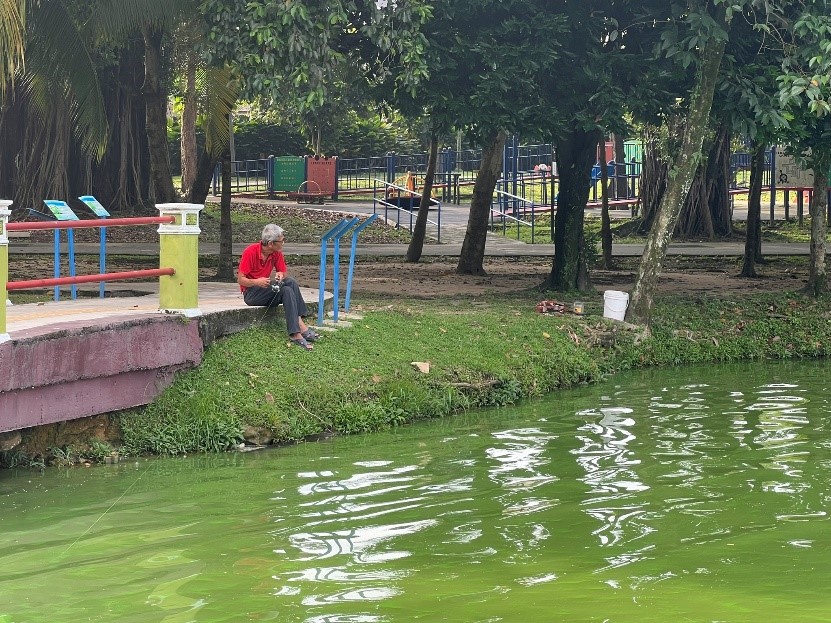
Figure 3 A local resident was observed to be fishing from the contaminated lake
This has consequently initiated a collaborative community-and-research based project, between University of Malaya and Monash University Malaysia. In March 2024, a water quality monitoring project at Taman Tasik Aman was initiated as an environmental initiative, and successfully completed in August 2024. The project was funded by the Petaling Jaya City Council under the Petaling Jaya Social, Environment and Economy Development (SEED) Fund’s Safe and Resilient City (PJ Seed 5.0: Guarding Our Water: Unveiling the Hidden World of Water Security and Ecosystems).
This project aimed to rigorously assess and monitor the presence and concentration of heavy metals in the lake's ecosystem, seeking to identify contamination sources, assess their impacts, and evaluate potential risks to local communities. The project monitored monthly heavy metal concentration, microplastics presence, as well as the dynamics between the two aforementioned non-biodegradable contaminants. (Covered in The Star: Academics pool brainpower to combat algal invasion)
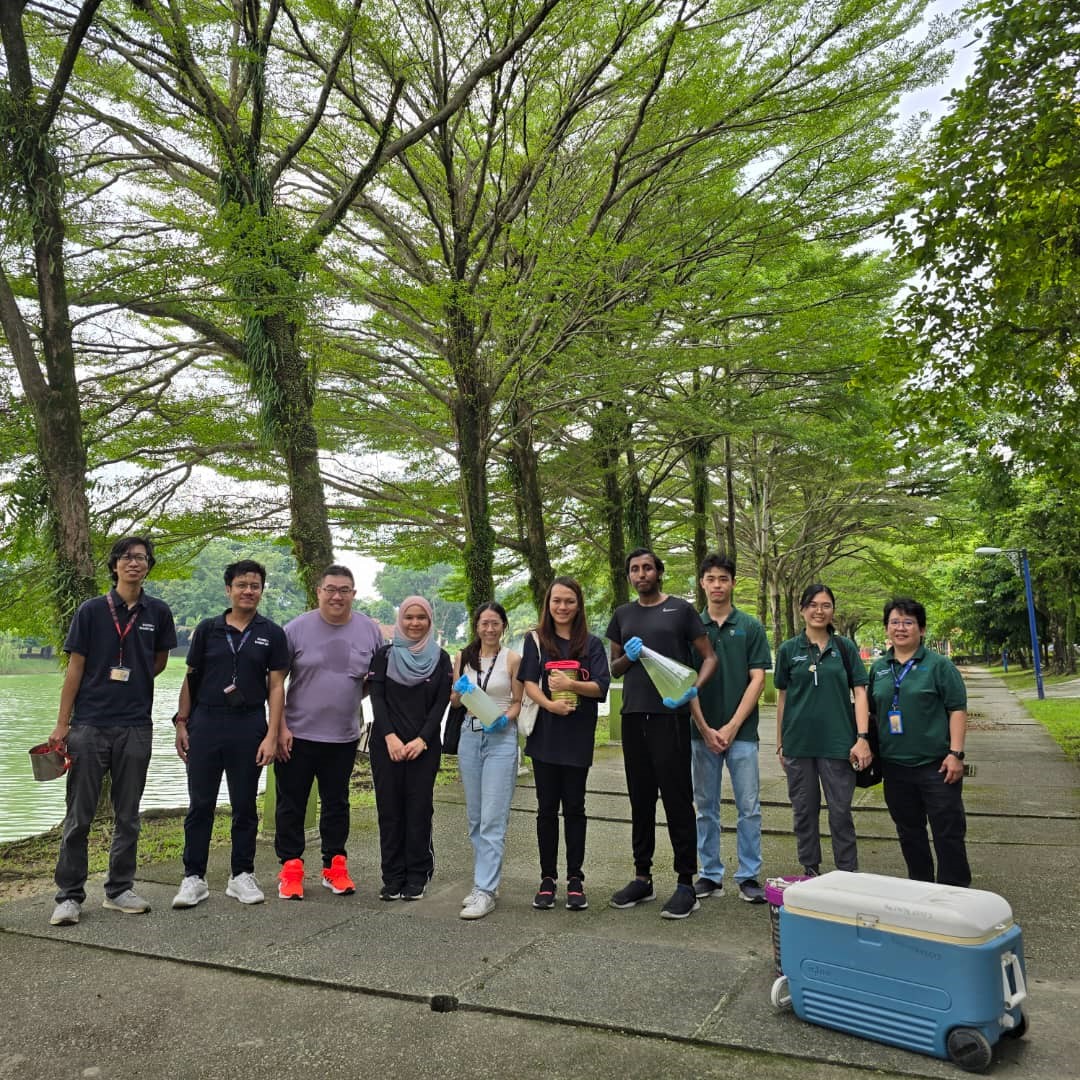
Figure 4 Researchers from University of Malaya and Monash University Malaysia collecting monthly water samples from Taman Tasik Aman.
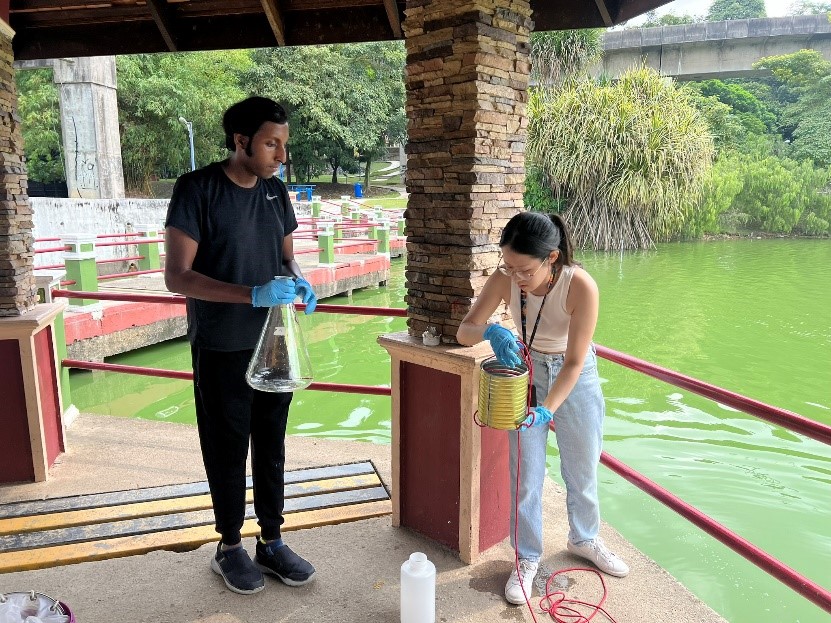
Figure 5 Research students from Monash University Malaysia collecting water samples for further laboratory analyses (heavy metals, microplastics, and toxins).
In addition to conducting research, our team has proactively implemented measures to capture the increasing amount of wastes that is contributing to the algae growth in Tasik Aman, such as the Sampah Snagger. The Sampah Snagger acts as a barrier to trap floating debris on the lake, targeting the inflows / drainage systems. This approach helps to reduce organic matter, such as decaying leaves and branches, which fuels algae growth, as well as plastic debris. The composition of the trapped plastic materials was analyzed to identify their sources, allowing for more effective mitigation measures to be addressed. (Covered in The Star: Rubbish snagger installed at PJ lake)
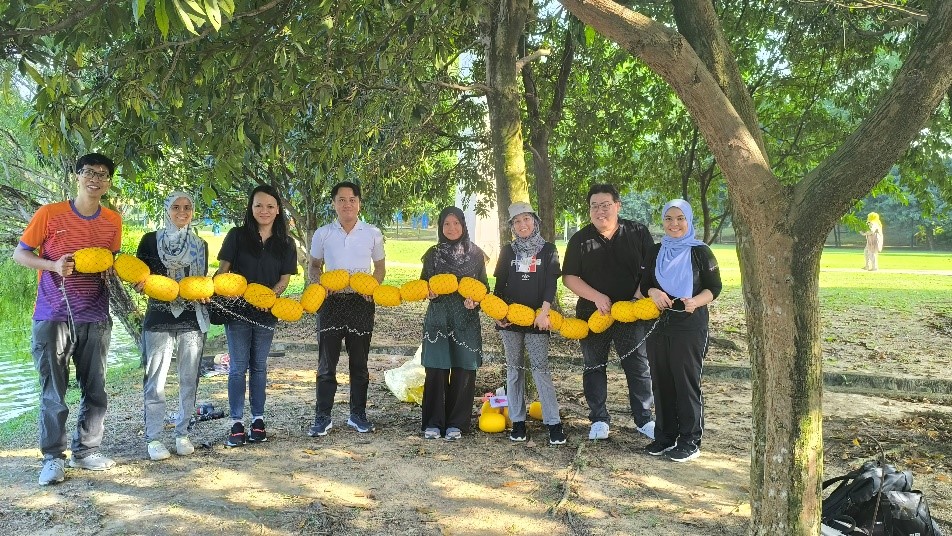
Figure 6 The team installed Sampah Snagger, an environmental initiative to trap both organic and synthetic wastes from entering the lake.
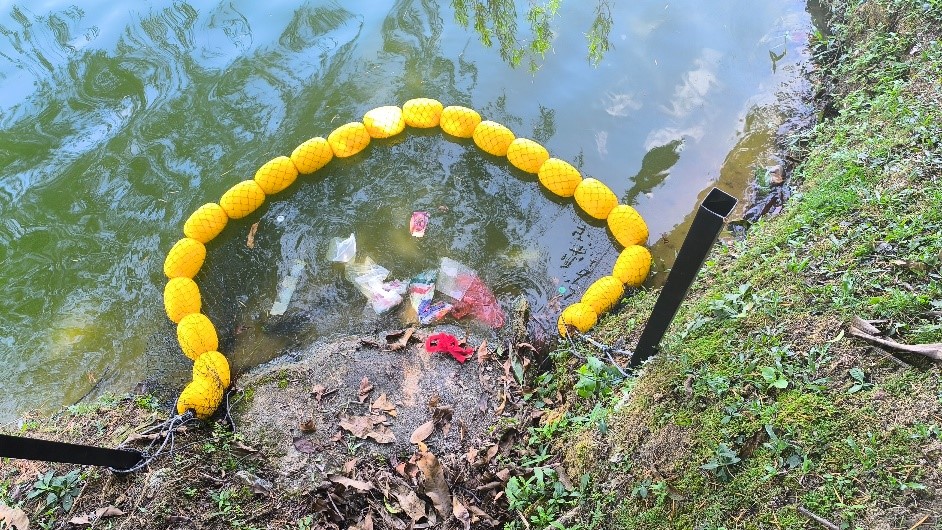
Figure 7 The Sampah Snagger shown to effectively trap wastes from the drainage / inflow
Science to Society
The project not only emphasizes research but also aims to raise awareness by educating the local community of Taman Tasik Aman. This is to be achieved through mini exhibition, forum, and campaign (upcoming in November 2024), highlighting the outcome of the year-long project. The exhibition will also educate the local community through hands-on experiences with water quality and toxin level test kits.
This collaborative project highlights our commitment as researchers to addresses pressing environmental concerns while promoting sustainability and community involvement. Through careful analysis and data collection, we hope to develop informed strategies to mitigate pollution and preserve aquatic life. The project’s findings will guide effective policy recommendations and support targeted clean-up efforts, ensuring the long-term viability of the lake’s ecosystem. Additionally, by raising awareness and providing educational opportunities, we will empower local residents and citizen scientists to participate in monitoring activities, thus cultivating a community that is actively involved in protecting their natural environment.
The success of this project has led to the initiation of a follow-up research and community project, set to take place in Kampung Sungai Kayu Ara, Petaling Jaya, Selangor in 2025 (funded by the Petaling Jaya City Council under PJ Seed 6.0), to be spearheaded by Monash University Malaysia and University of Malaya.
The project has garnered media attention, with coverage following up on the initial reports.
24 May 2024 The Star: Academics pool brainpower to combat algal invasion
24 May 2024 The Star: Encouraging ‘citizen scientists’ to monitor lake water
21 Aug 2024 The Star: Rubbish snagger installed at PJ lake
23 Aug 2024 The Star: Study shows high toxin levels at PJ’s Tasik Aman
This research was funded by the Petaling Jaya City Council under the Petaling Jaya Social, Environment and Economy Development (SEED) Fund’s Safe and Resilient City (PJ Seed 5.0).
Contact: Dr. Faddrine Jang
Phone: 03-55146228
Email: faddrine.jang@monash.edu