
Monash Climate Action Forum brings researchers together to drive climate solutions
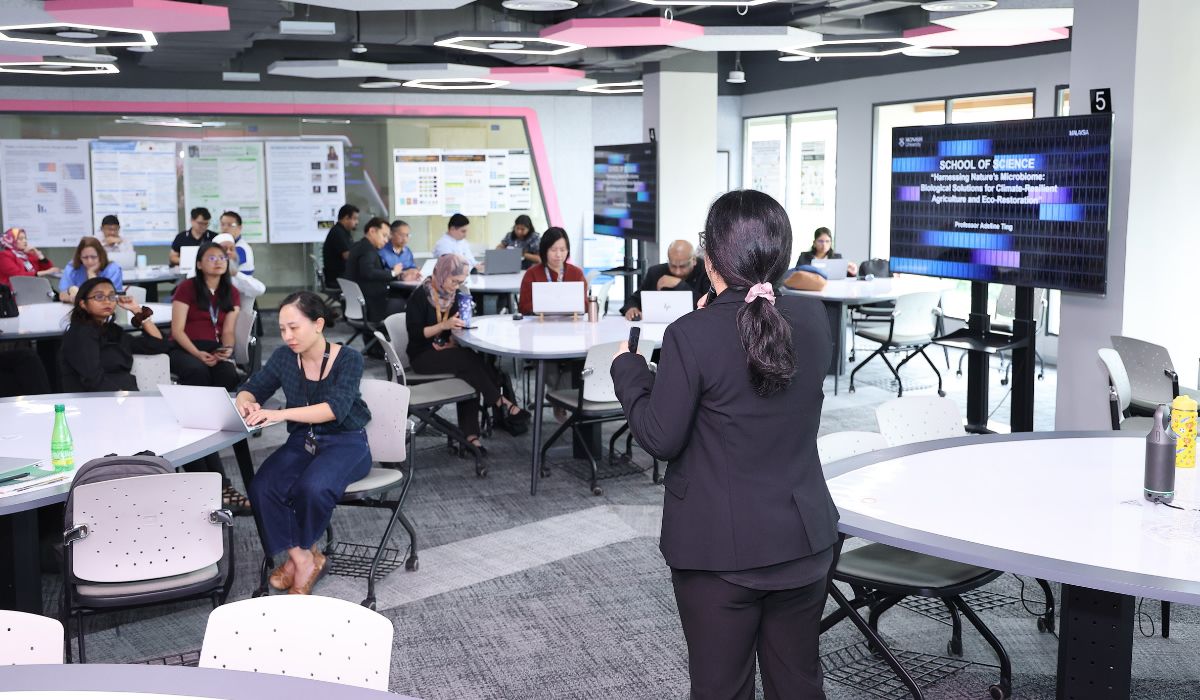
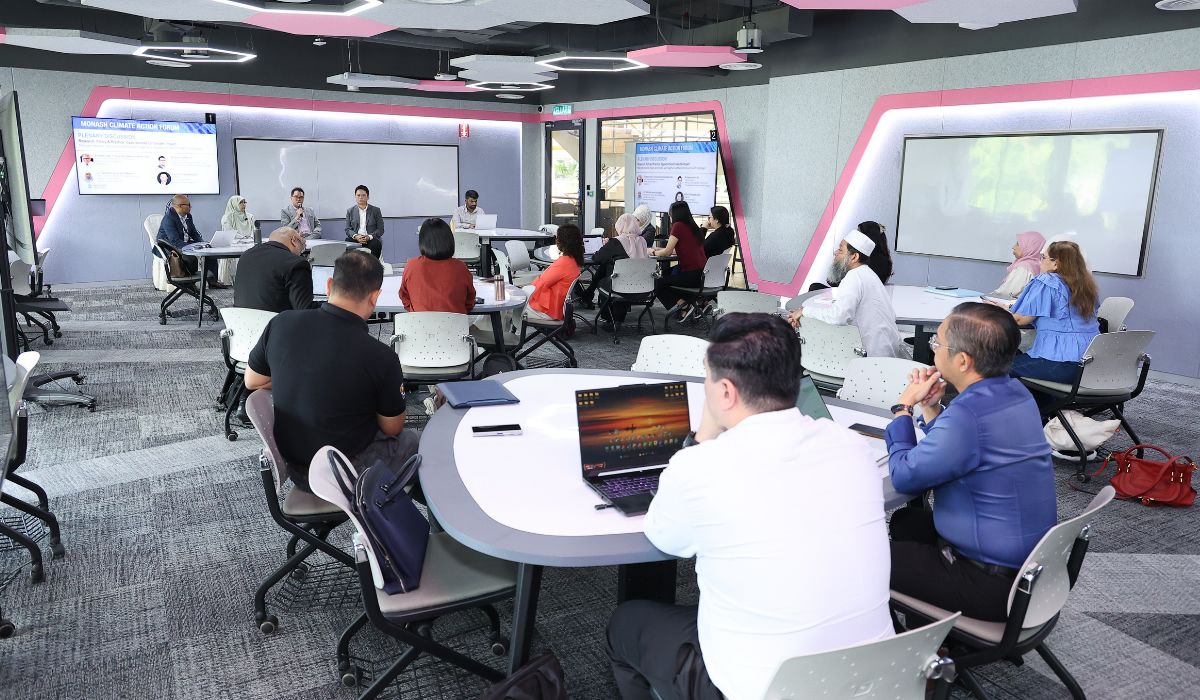
The Monash Climate Action Forum, held on 4 November, brought together researchers and government agencies from across different disciplines to explore climate challenges and identify opportunities for greater collaboration and impact.
Held in collaboration with Monash University Australia and Monash Indonesia, the forum aimed to strengthen partnerships and explore opportunities for funding, research and real-world impact.
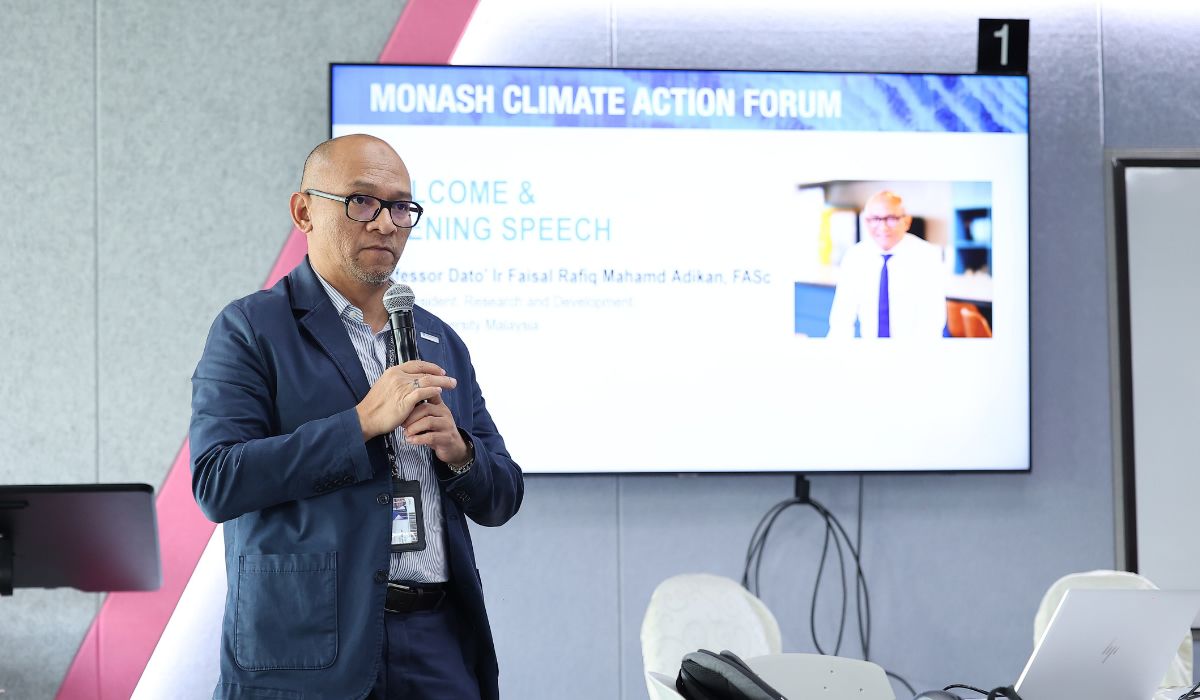
Opening the forum was Professor Dato' Ir Faisal Rafiq Mahamd Adikan, Vice President of Research and Development, who highlighted the growing impacts of climate change and the importance of exploring new approaches to address these challenges. He also spoke about the role of technology in supporting climate research and strengthening the University's response to environmental issues.
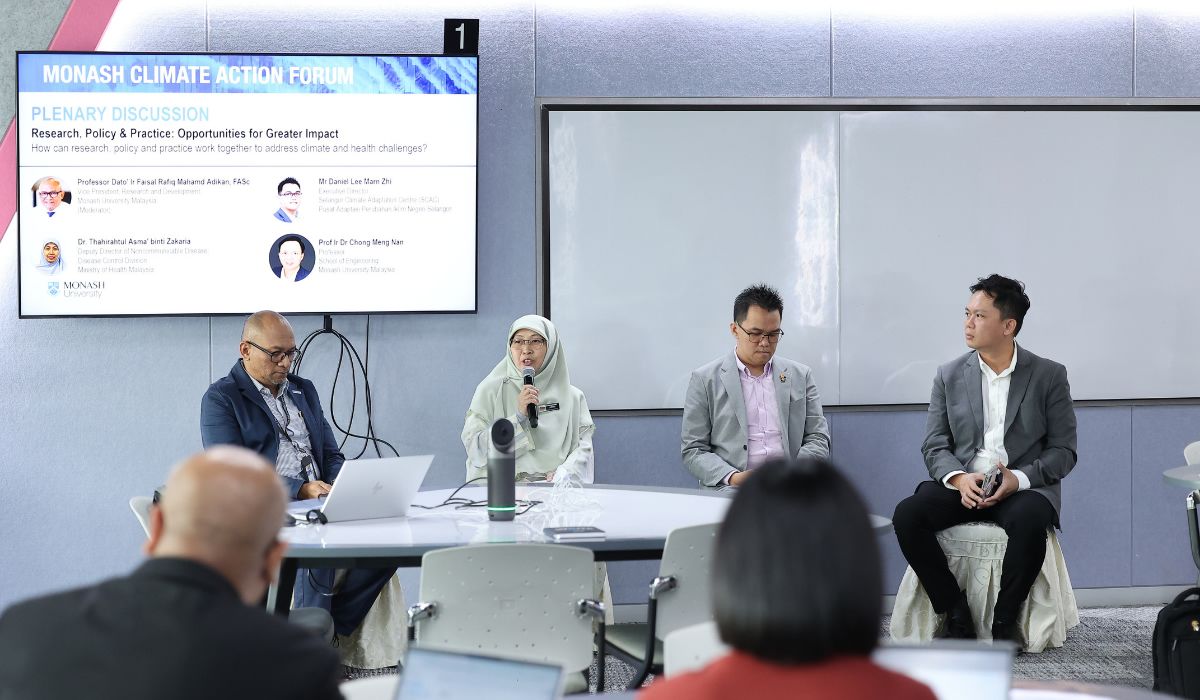
The forum continued with a panel discussion titled Research, Policy and Practice: Opportunities for Greater Impact, which explored how research, policy and practice could work together to address climate and health challenges.
Moderated by Professor Rafiq, the panel featured Daniel Lee Marn Zhi, Executive Director of the Selangor Climate Adaptation Centre (SCAC); Dr Thahirahtul Asma' binti Zakaria, Deputy Director of Noncommunicable Disease, Disease Control Division, Ministry of Health Malaysia; and Professor Ir Chong Meng Nan, from the School of Engineering, Monash University Malaysia.
Dr Thahirahtul highlighted that climate change was not just an environmental issue, but also a growing public health concern. She spoke about the increasing frequency of floods, intense heatwaves and haze, as well as climate-sensitive illnesses such as dengue, malaria, heat-related illnesses and respiratory conditions linked to haze.
She outlined the Ministry of Health's efforts to monitor climate-sensitive diseases and coordinate responses to climate-related events and disasters through its existing systems.
“We have a surveillance monitoring system for all those diseases, and we also have a Crisis Preparedness and Response Centre to monitor and coordinate all the climate-related events or disasters,” she said
Daniel Lee shared Selangor's approach to climate adaptation and resilience, drawing attention to SCAC's role in supporting the state's climate action plans and helping local authorities identify and address climate risks. He also discussed the centre's collaboration with Monash University to strengthen climate resilience across key sectors, including water, energy, food and the environment.
"We have to look at climate change not just as an environmental issue, [but as something that] cuts across all sectors, including health, water, energy, food security as well," he said.
From a research perspective, Professor Chong discussed a project exploring the practical adoption of green hydrogen, looking beyond its environmental benefits to assess infrastructure costs, product pricing and industry's willingness to pay more for greener alternatives. The project brought together engineering and business expertise to evaluate emissions reductions and economic feasibility, and to work with industry to identify barriers and opportunities.
He also emphasised the Center for Net Zero Technologies' interdisciplinary work in developing decarbonisation solutions, including turning waste into useful products.
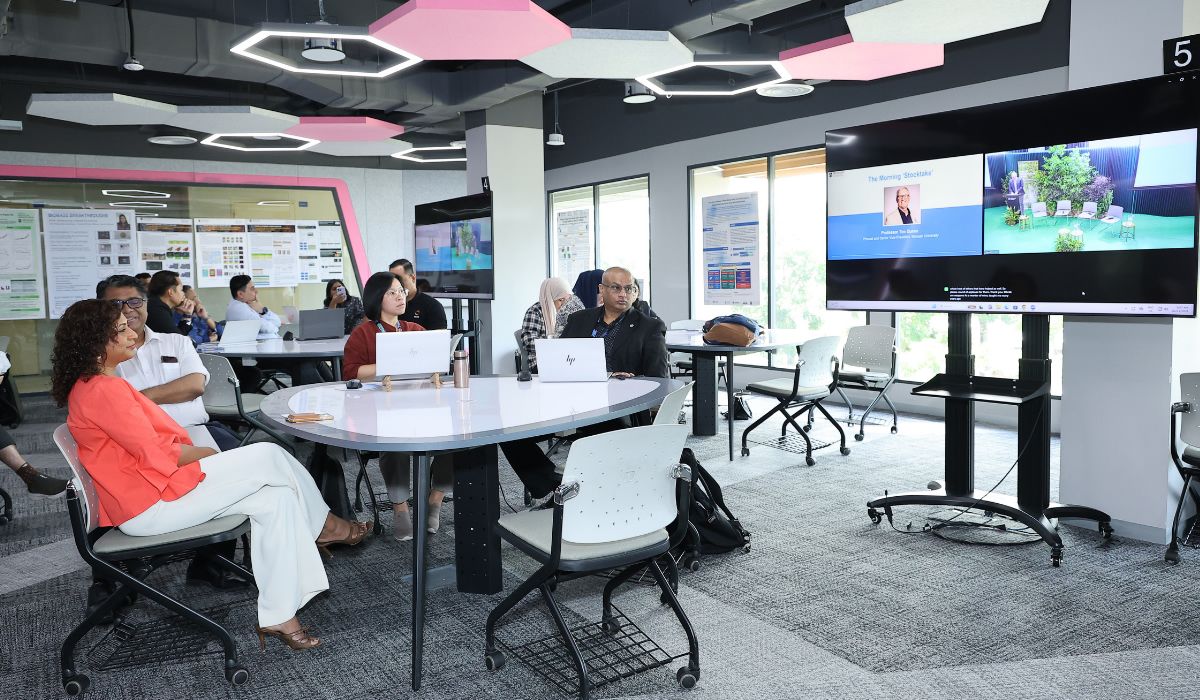
The panel concluded with a question-and-answer session, followed by a live-streamed stocktake with Professor Tim Dunne, Provost and Senior Vice-President of Monash University.
Professor Dunne underscored the importance of trusted research, advocacy and courageous leadership, while acknowledging the complexity of climate challenges and the limitations of AI. He emphasised that universities, governments and individuals all had a role to play.
"It's around individuals having the courage to use their advocacy, to use their research for good," he said.
The forum continued with presentations under the theme From Research to Impact: Monash Climate Solutions, featuring academics from the School of Arts and Social Sciences, represented by Professor Duncan McDuie-Ra; the School of Medicine, Dr Hamimatunnisa Binti Johar; the School of Science, Professor Adeline Ting; and the School of Engineering, Professor Sudharshan N. Raman.
The presentations provided an opportunity to showcase the breadth of climate-related research taking place across the University and explore how these findings could translate into practical solutions.
Professor Sharon Pickering, Vice-Chancellor and President of Monash University, delivered her remarks virtually, highlighting Monash's role in addressing climate change through independent, high-quality science, preparing students to make a positive impact and connecting interdisciplinary research with practical solutions.
She introduced the University's new Climate Change and Sustainability Network, which aims to connect expertise across campuses and strengthen collaboration throughout the Indo-Pacific. She also spoke about Monash's climate and sustainability expertise, which extends across its global network, including Malaysia.
“Our excellence now sits spread right across this great university, not just here in Australia, but in Malaysia and across our international network of campuses,” she said.
Participants also received a briefing on climate research funding mechanisms, institutional grants and external funding opportunities before breaking into three concurrent thematic tracks:
- Climate-Resilient Communities, Cities and Health, led by Dr Hamimatunisa
- Net Zero, Nature and Sustainable Transitions, led by Dr Izni
- Climate Governance, Finance and Societal Transformation, led by Dr Azliyana
The sessions brought participants together to exchange ideas, identify shared research priorities and explore opportunities for collaboration across the selected themes.
The forum concluded with cross-thematic debriefing sessions, where participants shared key insights, outlined action plans and identified potential collaborative next steps. A final discussion brought together the forum's outcomes, with a focus on strengthening institutional alignment and translating conversations into tangible research and impact opportunities.
Monash continued to strengthen connections across disciplines and with regional partners, creating opportunities to turn climate research into collaborative solutions with lasting impact.