
Monash student leads team to ChampionCHIP victory
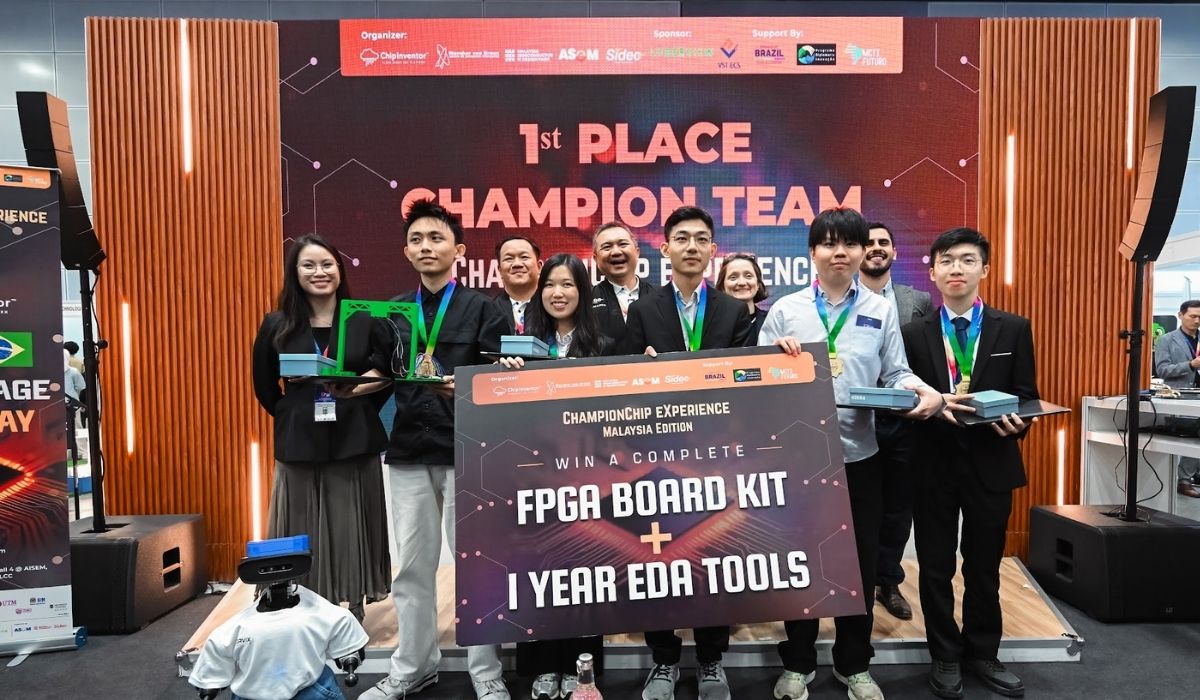 Figure 1: Nicholas Choong (2nd from left) and his team receiving the champion trophy and certificates at the ChampionCHIP eXperience Malaysia Edition 2026 Grand Final, KLCC.
Nicholas Choong Chen Juin, a third-year Electrical and Computer Systems Engineering student at Monash University Malaysia, led his team to victory at the ChampionCHIP eXperience Malaysia Edition 2026, a national integrated circuit (IC) design competition whose Grand Final was held on 17 October 2026 at the Kuala Lumpur Convention Centre (KLCC).
Leading a five-member team drawn from four Malaysian universities, Nicholas and his teammates rose from a field that began with more than 900 sign-ups across Malaysia, narrowed to over 40 competing teams, and finally to 10 teams invited to the Grand Final. The team took the top prize with a microprocessor chip they designed themselves from scratch with LaneX, a smart toll-lane controller developed for barrier-free tolling, with a real-world application built on it for Malaysia’s upcoming barrier-free highways.
The ChampionCHIP eXperience Malaysia Edition was organised by the Advanced Semiconductor Academy Malaysia (ASEM), the Selangor Information Technology and Digital Economy Corporation (Sidec) and the Malaysia Semiconductor IC Design Park, in partnership with ChipInventor, a Brazilian cloud-based chip design education platform. It was launched in May 2026 at SEMICON Southeast Asia as a Malaysia-Brazil collaboration. The program supports the National Semiconductor Strategy’s goal of developing 60,000 semiconductor professionals, with a dedicated focus on IC design. Unlike a one-day competition, it was an intensive multi-stage journey. Participants progressed from self-guided online learning of digital logic, through hands-on processor design, to validating their designs on real high-performance hardware on Amazon Web Services (AWS) FPGA technology.
The team brought together students from across Malaysia’s universities: Nicholas Choong Chen Juin of Monash University Malaysia, who led the team, Rachel Low of Taylor’s University, Ong Ting Haw and Liaw Chee Jian of Universiti Teknologi Malaysia (UTM), and Fong Chee Keat of Tunku Abdul Rahman University of Management and Technology (TAR UMT). Working across four campuses, the team collaborated over several months to design, verify, and build their chip and its application.
The team designed their own 32-bit RISC-V processor, RVBL-2, from scratch and took it all the way to a physical chip layout smaller than a grain of rice. Next, they added the circuits that let the chip communicate with the outside world and built the application that runs on it. In the final stage, they rigorously tested the chip on an Amazon Web Services (AWS) cloud FPGA to ensure robustness. The team then brought it to life in a desk-sized toll lane of their own: the chip running on an actual physical FPGA board, with a 3D-printed toll gantry, a vehicle sensor, signal lamps, a buzzer and a live laptop dashboard.
Designed with Malaysia's planned transition to barrier-free Multi-Lane Free Flow tolling in mind, LaneX addresses the need to process vehicles without requiring them to stop at a toll barrier. The system determines whether to charge it, photograph it, or raise an alarm, and catch fraud such as cloned or stolen toll tags. LaneX makes these decisions on its own chip in under a millisecond, and seals every decision as tamper-proof evidence.
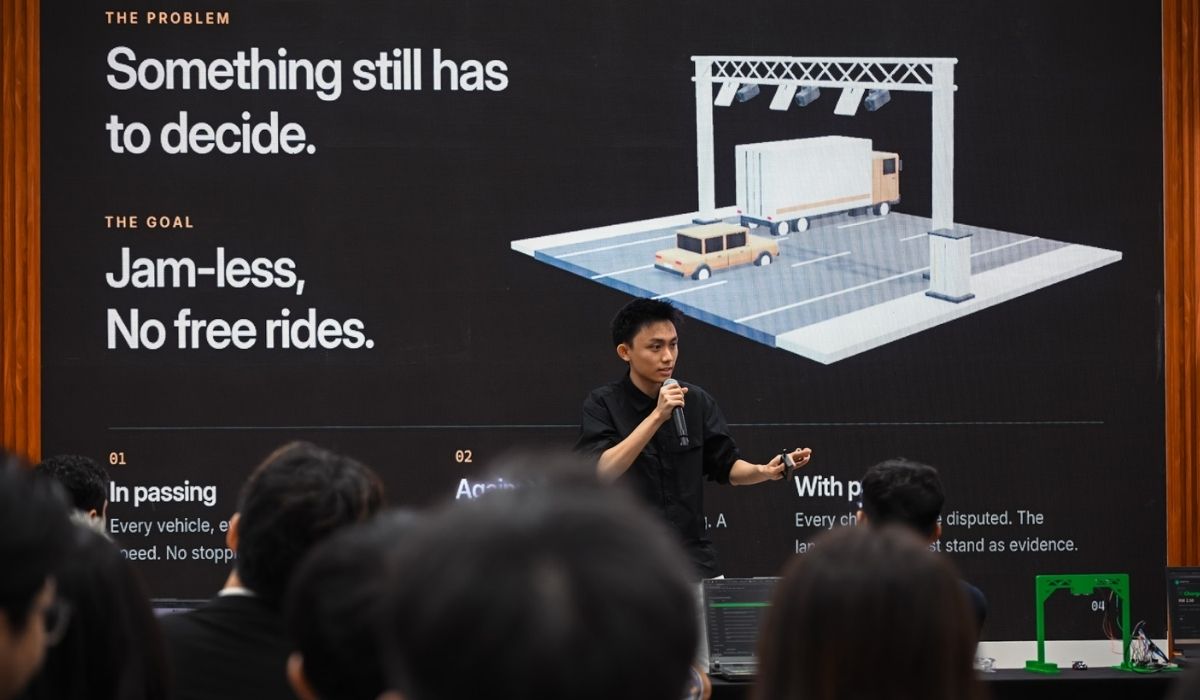
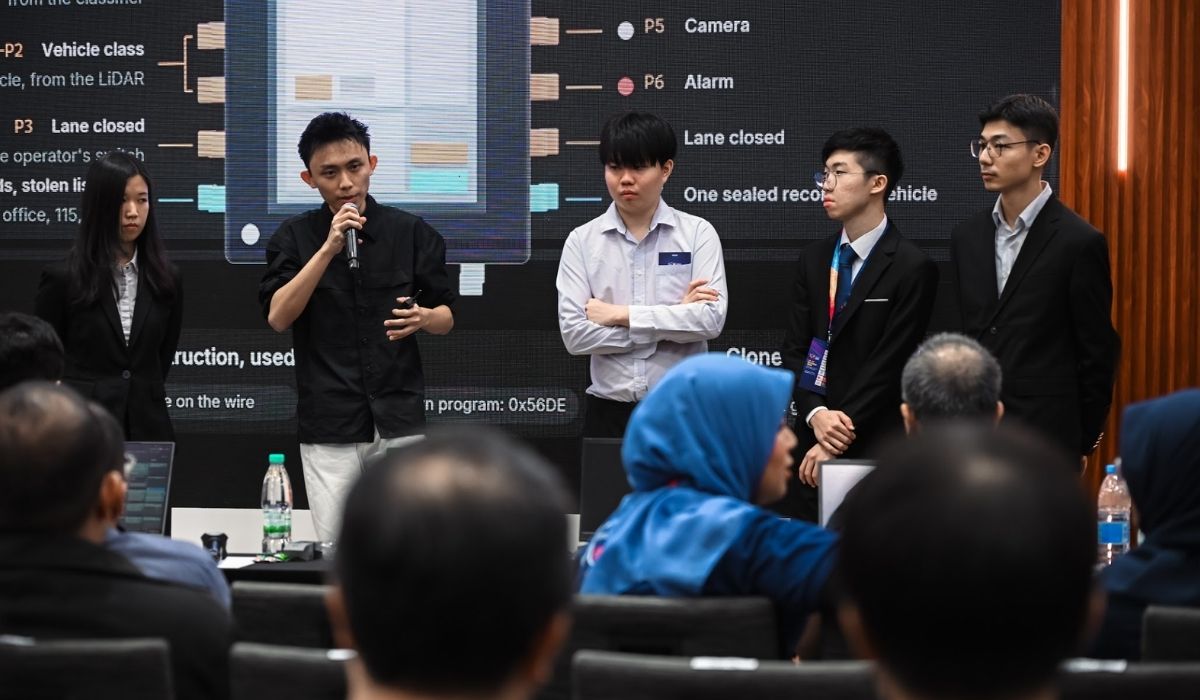 Figure 2 and 3: The team presenting LaneX to the judging panel during Demo Day.
After a full-day bootcamp at KLCC on 16 October 2026, the 10 finalists presented on Demo Day, 17 October, to a judging panel of Matheus Souza (ChipInventor, Brazil), Kother Badushah (UST Global) and Giap Seng Teoh (SkyeChip). The team closed its presentation with a live demonstration on stage. A toy car passing under the gantry was charged correctly, and a vehicle carrying a stolen tag instantly set off the alarm.
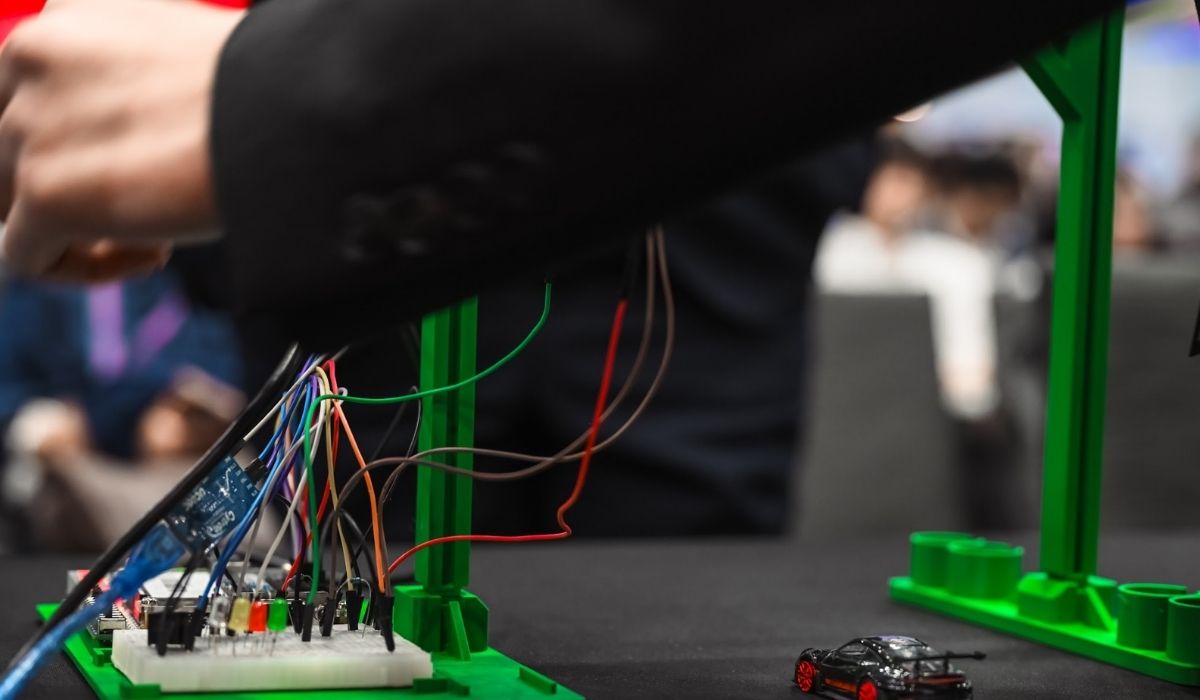 Figure 4: The Team’s Physical Prototype: a 3D-Printed Toll Gantry with an Ultrasonic Vehicle Sensor, Signal Lamps and the FPGA Board Running the Team’s Chip.
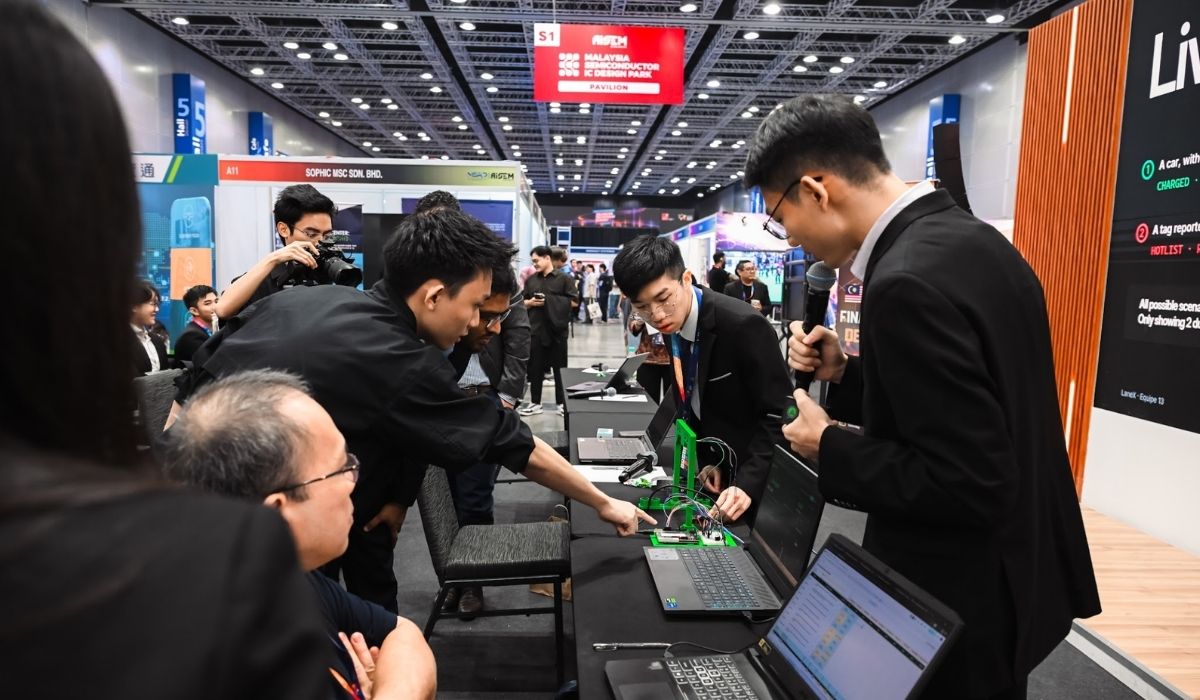 Figure 5: Live Demonstration on Stage: The Chip Detecting a Vehicle with a Stolen Tag.
Nicholas’ achievement reflects the university’s commitment to academic excellence and experiential learning, turning classroom engineering knowledge into a working chip and a real-world solution. Beyond the championship title, the competition gave him invaluable experience in processor design, hardware verification and embedded programming, and in leading a cross-university team through a demanding, months-long engineering project. It comes at a time when semiconductors and chip design are a national priority for Malaysia. Following the win, the organisers have invited the team to discuss further support for the project, including the possibility of taking the chip design through to fabrication.
The team thanks ASEM, Sidec, the Malaysia Semiconductor IC Design Park and ChipInventor for organising this program, and the judges for their time and insightful questions. Special thanks go to Monash University Malaysia for the teaching and resources that made this achievement possible.
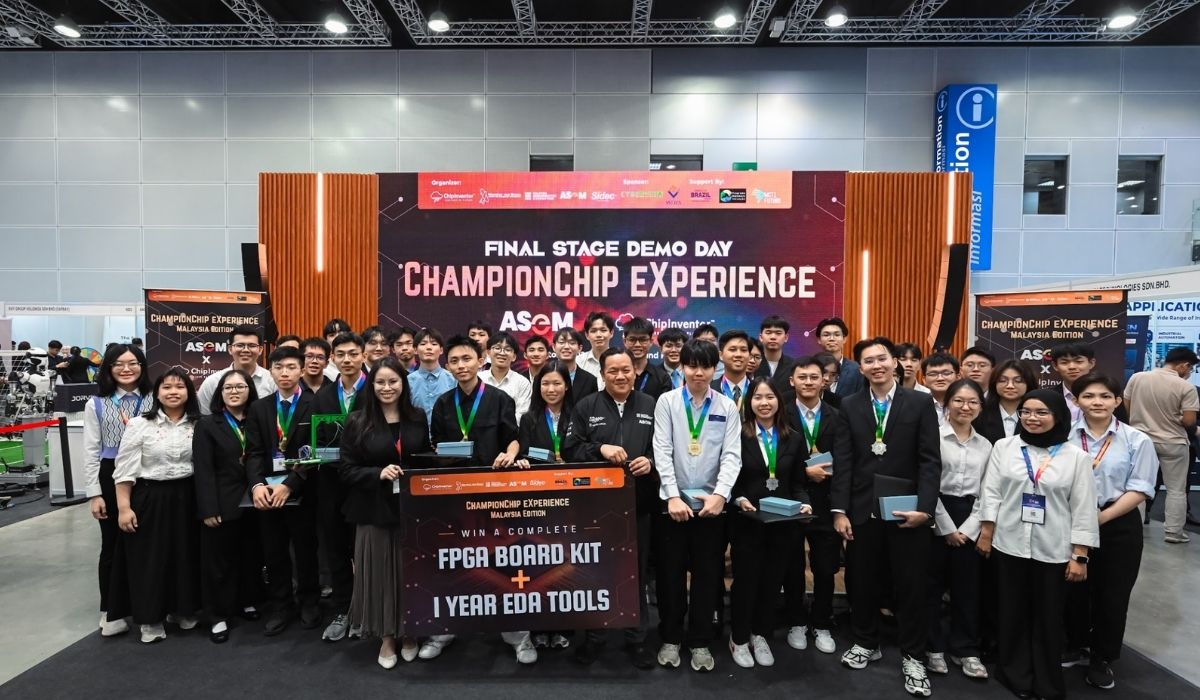 Figure 6: Finalists and Organisers after the Closing Ceremony.