
Action Lab develops digital platform connecting global audiences at IFRC Climate Action Summit
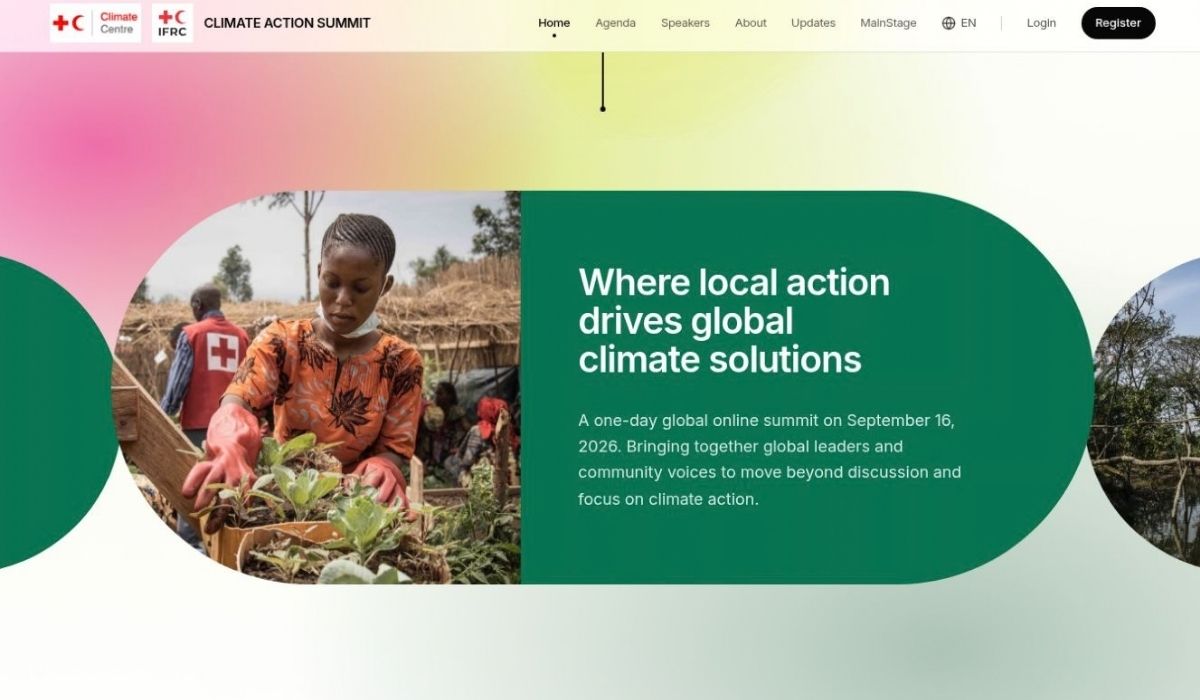 The IFRC Climate Action Summit platform.
Action Lab has designed and developed the online platform for the International Federation of Red Cross and Red Crescent Societies’ (IFRC) Climate Action Summit, supporting a global event that attracted 3,773 registrants and featured 157 speakers across 19 sessions.
The project builds on the partnership between Monash University Malaysia, Action Lab and the IFRC, demonstrating how human-centred design and digital development can support international humanitarian collaboration and knowledge exchange. Under the theme “Local, Everywhere”, the summit was hosted by the IFRC and the Red Cross Red Crescent Climate Centre, with Monash University Malaysia among its supporting partners. Action Lab worked closely with the IFRC Solferino Academy over approximately four months, from May to September 2026, to translate the summit’s program and stakeholder needs into a complete online participant experience.
“This project demonstrates how Action Lab combines human-centred design with technical expertise to support the work of our humanitarian partners. Working closely with the IFRC Solferino Academy, we translated a complex event program into a practical digital experience that supported participation across time zones and languages. The platform’s infrastructure also provides a foundation that could be adapted for future virtual summits and events,” said Professor Wong Kok Sheik, Co-Director of Action Lab.
Reflecting on the collaboration, Aditya V. Bahadur, Director of the Red Cross Red Crescent Climate Centre, said, “The Climate Action Summit brought thousands of people together across geographies, languages and sectors. Through the support of Action Lab at Monash University Malaysia, we were able to create a beautifully executed, inclusive platform for dialogue and knowledge-sharing, enabling locally led climate action experiences and solutions to be exchanged. This partnership highlights how working together can strengthen collective learning and accelerate climate action where it matters most.”
The team developed the platform’s registration, agenda, session, speaker, and livestream components, connecting the different stages of participation through a single website. Participants could register, explore the program, plan their attendance, access live discussions and revisit content after the summit. A central feature was the personalised agenda, which allowed registrants to save the sessions they wished to attend. The feature was used by 3,642 participants, representing 96.5 per cent of registrants.
Session times were adapted to each participant’s location to support the summit’s global “follow-the-sun” format. Individual session pages provided descriptions, timings, speaker information and links to the relevant virtual rooms. Zoom Webinars were integrated for plenaries, while Zoom Meetings supported parallel sessions. A virtual lobby and Main Stage provided access to plenary livestreams.
Supporting a multilingual audience was another key consideration. The platform incorporated pathways for English, French, Spanish and Arabic captioning, alongside moderated announcements and participant communications. Rehearsals and dry runs allowed potential issues to be identified and resolved before the summit, while administrative tools enabled moderators to adjust streams, schedules and announcements during the event without disrupting participants.
According to the project team’s analytics, summit-day traffic was 5.4 times higher than the previous day, with approximately 1.34 million requests handled by the platform. No attendee-facing outage was recorded.
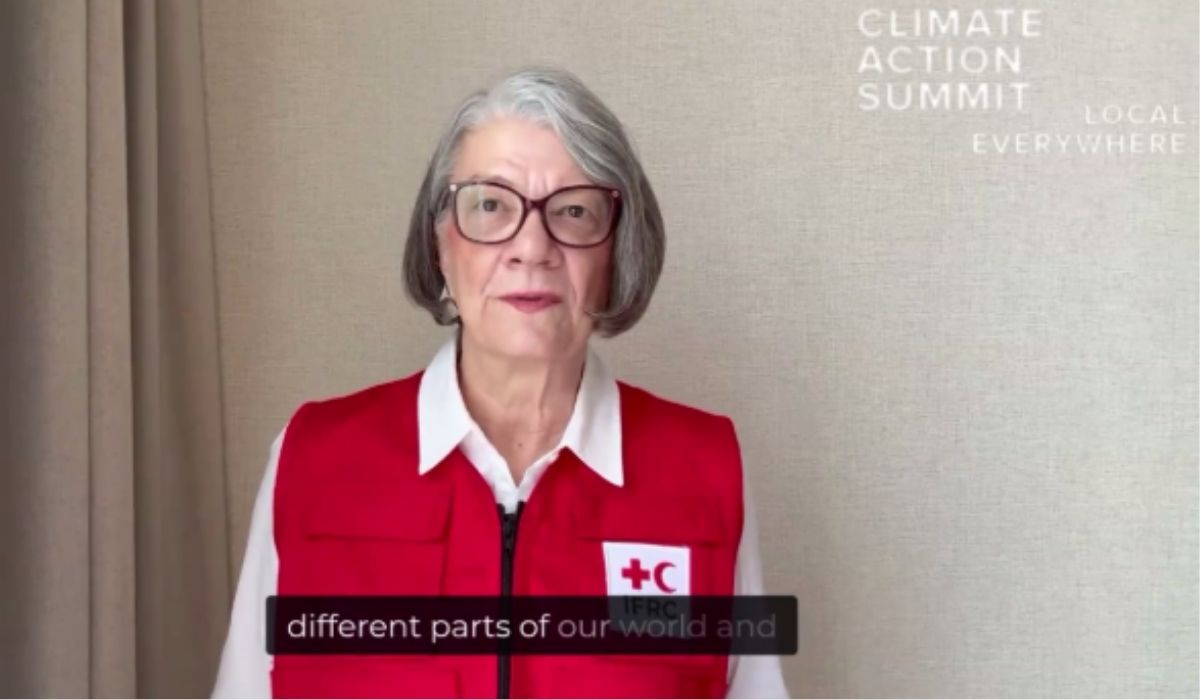 Kate Forbes during the opening plenary of the IFRC Climate Action Summit.
The platform supported a program spanning international climate leadership, community resilience, financing and technology, with the opening plenary featuring Kate Forbes, President of the IFRC, and Aditya Bahadur, Director of the Red Cross Red Crescent Climate Centre. The leadership plenary, “Hope, Humanity and Progress”, included Jagan Chapagain, Secretary General of the IFRC. Murat Kurum, COP31 President-Designate and Türkiye’s Minister of Environment, Urbanisation and Climate Change; and Mafalda Duarte, Executive Director of the Green Climate Fund, exploring how local solutions and collective leadership can strengthen climate resilience.
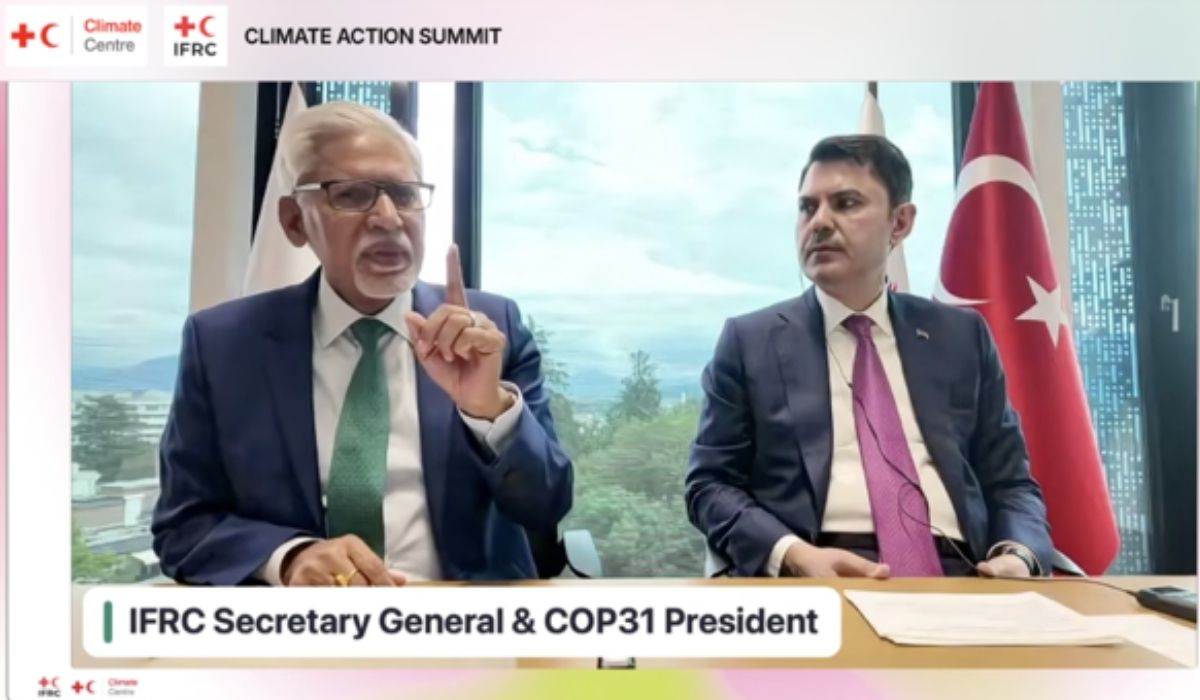 From left to right: IFRC Secretary General, Jagan Chapagain and COP31 President, Murat Kurum.
Complementing these discussions, “Bridging local innovation and global systems” explored how local knowledge and technology can support climate action. Speakers included Emil Heidkamp, Founder of Parrotbox.ai, and Melanie Rideout, AI Strategist at the Swedish Red Cross.
The project combines Action Lab’s capabilities in human-centred design, applied research and digital platform development with the IFRC’s global networks and climate-action expertise. It demonstrates how the partnership can extend beyond research and convening into the practical delivery of technology for humanitarian engagement.