
More plastic than fish by 2050
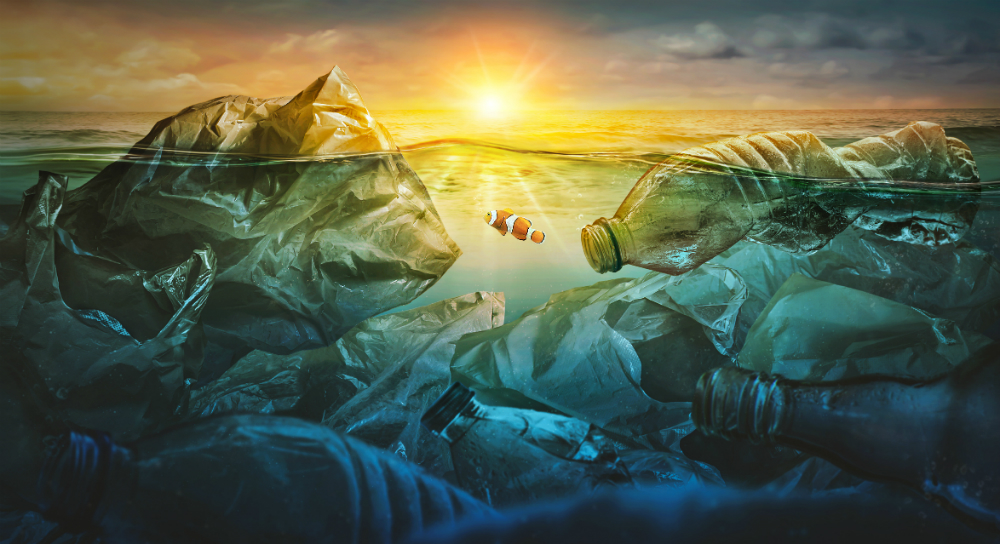
You see the difference. A turtle does not.
Each year, 8 million tonnes of plastic leak into our oceans. This is equivalent to the dumping of one garbage truck of plastic into the ocean, per minute. If no move is taken, this may increase to four per minute in the next 30 years. A report from the Ellen MacArthur Foundation, in partnership with the World Economic Forum, predicts that by 2050, there may be more plastic than fish in the ocean, by weight.
The damage caused by plastic debris in the ocean is estimated to be at least $13 billion per year. Marine lives are also affected as they can’t differentiate plastic from food. Just recently, a woman in Indonesia found a plastic spoon, a candy bar wrapper, plastic strap and a deodoriser cap inside the stomach of a fish she had purchased from the market. Fish are unable to break down plastic in their stomachs and often starve to death as a result of ingesting it.
Unfortunately, tackling this issue is not easy and may even take years. The use of plastic has increased in the past half-century and is expected to double again in the next 20 years. So, discontinuing plastic usage is definitely out of the question. For now.
A more feasible solution is decreasing the use of plastics. It is one that can be adopted by many, if not all. If we can rethink the way goods are packaged, we may be able to cut down the demand for plastic. Reusable bags are great when shopping. Water-soluble films can be used to wrap small items. Plant-based plastics, also known as bioplastic, are extremely sustainable to produce.
One small step can lead to one giant leap. So, why don’t we start by using metal straws and bringing our lunch boxes to work and school? We all have a part to play in reducing unnecessary plastic usage and saving our Earth.
Let’s be compassionate towards our planet. It’s the only one we’ve got.
Video courtesy of 'Make a Change World' Facebook page.